
West Elm
Rated: Good
Price: $$$
Location: USA
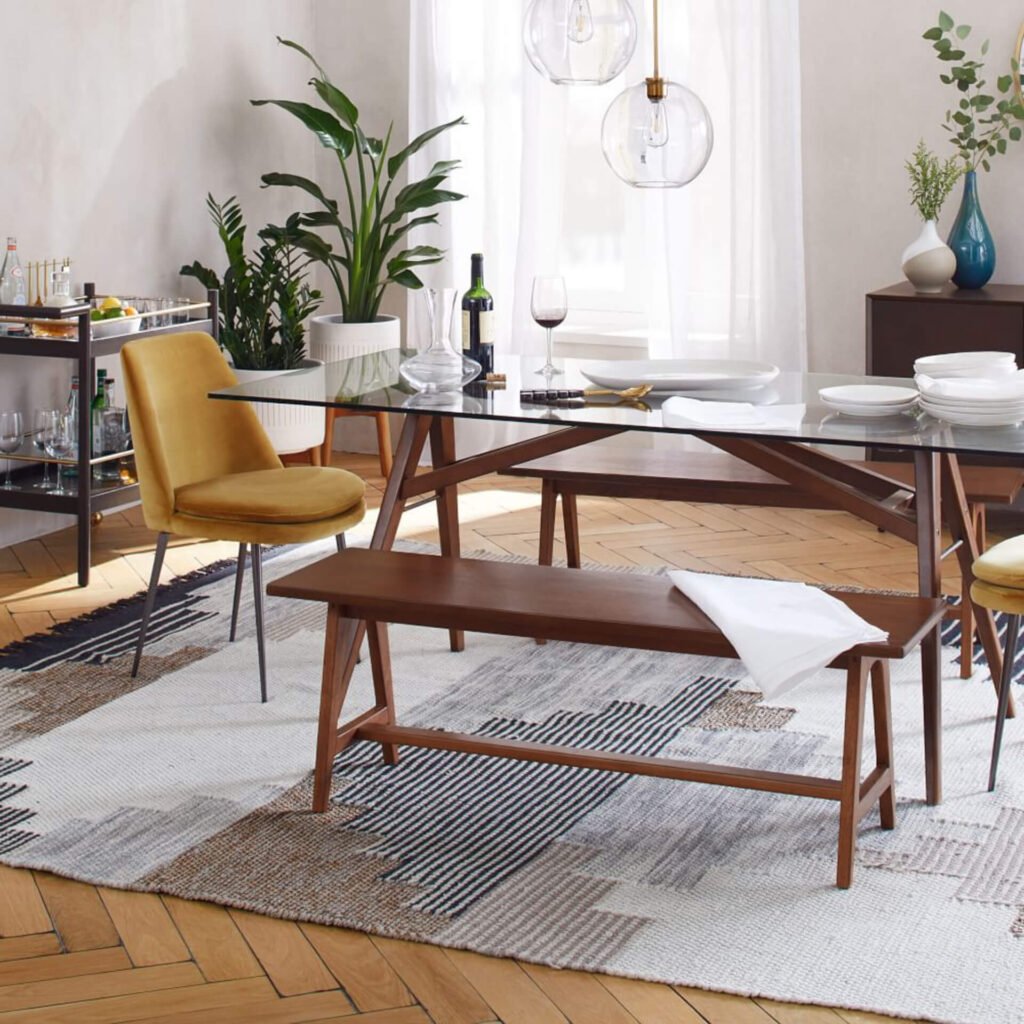
Quick verdict
A design-forward home furnishings brand with a genuinely pioneering Fair Trade furniture programme, Undermined by some of the worst customer reviews in the furniture industry. West Elm was the first international home retailer to partner with Fair Trade USA, expanding to 15+ certified factories across 5 countries with over $2M in premiums paid to worker communities. The certification portfolio is comprehensive: FSC, GREENGUARD Gold, OEKO-TEX, and the Nest Seal. However, the brand carries a devastating 1.1/5 Trustpilot score from 1,400+ reviews, driven by chronic delivery failures, quality inconsistencies (veneer bubbling, sagging cushions), and MDF marketed as "solid wood." Furniture that doesn't last is inherently unsustainable regardless of certifications.
Key info
- Headquarters
- Brooklyn, New York, USA (design); parent Williams-Sonoma in San Francisco, CA
- Founded
- 2002
- Product categories
- Lifestyle
- Price range
- $$$
- Key certifications
- Fair Trade USA (15+ certified factories across 5 countries), FSC (Forest Stewardship Council), GREENGUARD Gold, OEKO-TEX, OCS (Organic Content Standard), GRS (Global Recycled Standard), Nest Seal of Ethical Handcraft Compliance (first retailer). Not B Corp certified. Parent company has SBTi-validated emissions targets.
West Elm sustainability rating
Our ratings are based on a scale from 1 (We Avoid) to 5 (Excellent). How we rate
Rating breakdown
FSC-certified wood (approximately 52% sustainably sourced), organic cotton (OCS-certified), TENCEL lyocell, REPREVE recycled polyester (93M+ plastic bottles diverted across Williams-Sonoma brands), and water-based low-VOC finishes. However, MDF and engineered woods are common in products marketed as "wood furniture," and sourcing transparency on specific material percentages is limited.
Fair Trade programme spans 15+ certified factories across 5 countries (India, Nepal, Pakistan, Vietnam, China) with $2M+ in worker premiums. First retailer to carry the Nest Seal of Ethical Handcraft Compliance. HERproject worker training partnership, Deductions for the 2020 FTC settlement over false "Made in USA" claims and absence of a full public factory list.
Parent company Williams-Sonoma has SBTi-validated emissions targets (50% Scope 1 & 2 reduction by 2030) and scored 51/100 on DitchCarbon, Goal of 75% of products representing sustainability initiatives by 2030. However, 2023 Scope 3 emissions remain massive at 2.23 billion kg CO2e.
Williams-Sonoma publishes annual Impact Reports since 2011 and files CDP climate disclosures. Product-level sustainability labelling exists. However, no standalone factory list, product reviews disabled on the website (a notable anti-transparency move), and "Green" product labelling criticised for vagueness. 2020 FTC settlement for false "Made in USA" claims.
$35M Clinton Global Initiative commitment to handmade goods. LOCAL programme supporting US-based small makers. "Shop your values" filtering on website. However, product durability issues undermine longevity. Reported sofa lifespan of only 5-8 years is poor for the price point, and short-lived furniture is inherently unsustainable.
What they do well
- Industry-first Fair Trade furniture programme, Partnered with Fair Trade USA since 2014, expanding to 15+ certified factories across 5 countries, with $2M+ in premiums flowing directly to worker-controlled community funds
- Comprehensive certification portfolio. Products carry FSC, GREENGUARD Gold, Fair Trade, OEKO-TEX, OCS, GRS, and the Nest Seal of Ethical Handcraft Compliance
- Meaningful artisan partnerships: $35M Clinton Global Initiative commitment to handmade goods, LOCAL programme supporting US-based small makers, and collaborations with craft collectives in Peru, Philippines, Nepal, and Guatemala
- "Shop your values" filtering. Website allows customers to filter by Fair Trade, organic, handcrafted, locally made, and certified nontoxic, making it easy to identify the most sustainable products
Room for improvement
- Quality issues undermine sustainability claims. Veneer bubbling, sagging sofa cushions, excessive rug shedding, and MDF marketed as "solid wood" mean products often don't last; estimated sofa lifespan of only 5-8 years is poor for the price point
- Transparency gaps persist. No public factory list, product reviews disabled on their website, a 2020 FTC settlement for false "Made in USA" labelling, and vague "Green" product labelling
About West Elm
West Elm launched in 2002 as a catalogue business under Williams-Sonoma, Inc. (NYSE: WSM), opening its first retail store in 2003 in Brooklyn's DUMBO neighbourhood. The brand occupies the mid-century-modern, contemporary-bohemian niche in home furnishings, with 95% of products designed in-house at their Brooklyn studio and 65% of sofas hand-assembled at US factories. The brand now operates over 100 retail locations globally.
The sustainability story centres on the 2014 Fair Trade USA partnership. Making West Elm the first international home retailer to offer Fair Trade Certified furniture. By 2019, the programme spanned 15+ factories across India, Nepal, Pakistan, Vietnam, and China, with over $2M in premiums paid directly to worker communities for healthcare, education, and transportation. The brand also uses FSC-certified wood, organic cotton, TENCEL, and REPREVE recycled polyester, with water-based stains and low-VOC finishes.
However, the elephant in the room is customer experience. With over 100 retail stores globally and a sprawling logistics network, delivery performance and quality control have been persistent failures. Products ship from India, Vietnam, Nepal, Pakistan, and China, contributing to both environmental footprint and delivery complexity. The Trustpilot score of 1.1/5 from 1,400+ reviews is among the worst in the furniture industry, driven by multi-month delivery delays, orders cancelled without explanation, and items arriving damaged.
Quality inconsistencies further undermine the sustainability proposition. Recurring reports of veneer bubbling, sagging sofa cushions within 1-2 years, MDF in products marketed as "solid wood," and outdoor furniture failing quickly suggest that products often don't last. When furniture needs replacing after just a few years, the environmental benefit of sustainable sourcing is largely negated. Pricing ranges from $20 for small decor to $6,000+ for sectionals, positioning West Elm above IKEA but below premium furniture brands. Though quality doesn't always justify the premium.
Product highlights
Mid-Century Bed
Retro-inspired bed frame in sustainably sourced, kiln-dried wood with water-based finishes, made in a Fair Trade Certified facility.
$1,100–$1,800
GREENGUARD Gold certified for low chemical emissions; combines Fair Trade production with genuinely lower-toxicity finishes.
Emmerson Reclaimed Wood Dining Table
Rustic-modern dining table built from genuinely reclaimed pine rather than new timber.
$1,500–$2,500
One of West Elm's most iconic sustainable pieces, using genuinely reclaimed wood rather than newly harvested timber.
Harmony Sofa
Deep-seat plush sofa available in 86+ fabrics including sustainable options, made to order.
$1,600–$3,200
Showcases the breadth of sustainable fabric options. But read reviews carefully, as cushion durability is a common complaint.
Mid-Century Desk (Acorn)
Mid-century modern desk with solid wood construction and water-based Acorn finish.
$800–$1,200
Popular home-office pick with genuinely lower-toxicity GREENGUARD Gold certified finishes.
![9 Best Sustainable & Nontoxic Rugs To Freshen Up Your Home [2025]](/images/blog/non-toxic-rugs.webp)