
Doshi
Rated: Great
Price: $$
Location: USA
Quick verdict
Doshi is best for ethical consumers seeking stylish, professional-grade vegan bags, wallets, and belts at accessible prices. The brand stands out for its intentional approach to vegan materials, refusing cheap PU, greenwashed "cactus leather," and "apple leather" in favor of premium microfiber, Piñatex, and Kraft paper. Caveat: the brand carries no major environmental certifications beyond PETA Vegan, transparency around factory conditions is limited, and it remains a small operation with limited product range.
Key info
- Headquarters
- Southern California, USA
- Founded
- 2017
- Product categories
- Accessories, Vegan
- Price range
- $$
- Key certifications
- PETA-Approved Vegan
Doshi sustainability rating
Our ratings are based on a scale from 1 (We Avoid) to 5 (Excellent). How we rate
Rating breakdown
Uses premium microfiber vegan leather (superior to standard PU), Piñatex (pineapple leaf fiber), Kraft paper, Tyvek, and recycled PU. The brand explicitly avoids materials it considers greenwashed. However, microfiber is still a synthetic material, and no certifications like GRS or OEKO-TEX validate the materials.
The brand states its founder regularly visits factories and monitors working conditions. Doshi donates 5% of sales to non-profits. However, there is no publicly available Code of Conduct, no third-party labor certifications, Factory locations are not disclosed in detail.
The brand's environmental efforts are lacking. No evidence of carbon emissions tracking, energy reduction strategies, or water usage policies. The brand encourages end-of-life donation rather than offering a formal take-back program. No circularity initiatives exist.
Doshi's About page shares the founder's story and material philosophy, but lacks a sustainability report, supplier list, emissions data, or formal Code of Conduct. The brand is forthcoming about why it avoids certain materials, but broader supply chain transparency is absent.
Strong value for vegan accessories. Bags range from ~$29 (sale) to ~$200+, belts from ~$30–$60, wallets from ~$30–$70. Compared to Matt & Nat ($100–$250+) or Stella McCartney ($500+), Doshi offers a more accessible entry point. The 2024 "Luxury UnBrand" initiative aims to launch products at their lowest possible price from day one.
What they do well
- Intentionally vegan from thread to glue: every component including adhesives, thread, structural materials, interlining, and hardware is verified animal-free, with PETA Vegan certification
- Honest stance against greenwashing: publicly explains why it avoids cork, cactus leather, and apple leather, arguing these materials are misleadingly named when they're 95%+ backing material
- Premium microfiber over cheap PU: founder spent years researching the highest-quality vegan leather alternatives, resulting in products customers report lasting 5+ years
- 5% of sales donated to animal and environmental non-profits, including farm sanctuaries, vegan food banks, and animal rights organizations
- "Luxury UnBrand" pricing model (launched 2024): aims to offer lowest possible prices at product launch, making vegan accessories accessible to a wider audience
Room for improvement
- No environmental certifications or measurable sustainability commitments. No emissions tracking, no energy reduction targets, no water usage data, and no circularity programs.
- Limited transparency on labor practices. No published Code of Conduct, no third-party factory audits, and no disclosure of factory names or locations.
About Doshi
Doshi was founded in 2017 by Paras Doshi, a lifelong vegetarian who turned vegan in 2012, Based in Southern California, Paras previously worked for the City of Los Angeles for 17 years before leaving to pursue his vision of creating classy, durable, vegan accessories. The idea germinated in 2001 when he first struggled to find professional vegan accessories for his first job.
The brand's material philosophy centers on premium microfiber vegan leather, which Doshi argues outperforms both cheap PU and many trendy plant-based alternatives. The brand has expanded into Piñatex (pineapple leaf fiber), Kraft paper, and Tyvek. Notably, Doshi publicly criticizes materials like cork leather, cactus leather (Desserto), and apple leather as misleading, since the plant component typically makes up less than 5% of the material.
Manufacturing takes place in partner factories overseas, though specific locations are not publicly disclosed. Products ship within the US with standard e-commerce delivery. Pricing is competitive for the vegan accessories market: bags typically range from $69–$200, wallets $30–$70, and belts $30–$60, with frequent sales offering deeper discounts.
Compared to competitors like Matt & Nat, Angela Roi, or Stella McCartney, Doshi positions itself as more affordable while claiming equivalent or superior durability.
Product highlights
Classic Work Tote
Microfiber vegan leather work tote with organized compartments
~$99–$149
Designed specifically for professional women; structured enough for laptops and planners
300 Series Backpack
Versatile vegan leather backpack with tech compartments and trolley sleeve
~$130–$180
USB charging port, travel-ready design; balances professional and casual use
Piñatex Top Handle Bag
Handbag crafted from pineapple leaf fiber (Piñatex)
~$129
Made from genuine plant-based material front to back, not a thin veneer on synthetic backing
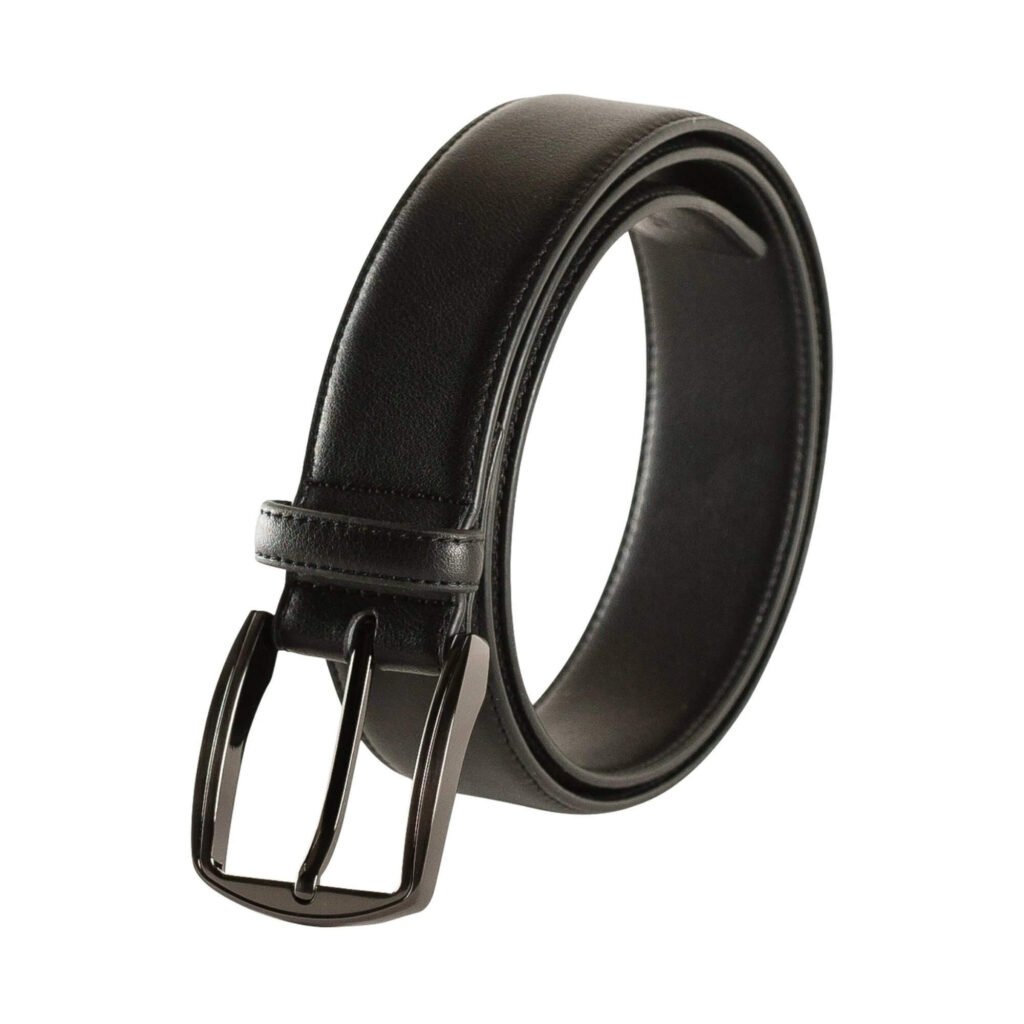
Classic Vegan Belt
Slim microfiber vegan leather belt with stainless steel buckle
~$30–$50
Customers report multi-year durability; available in professional and casual styles


![11 Best Vegan Belts from Cruelty-Free Materials [2026]](/images/blog/vegan-belts.webp)
![12 Luxury Vegan Wallets For Men and Women [2026]](/images/blog/vegan-wallets.webp)