Cotopaxi
Rated: Great
Price: $$
Location: USA
Quick verdict
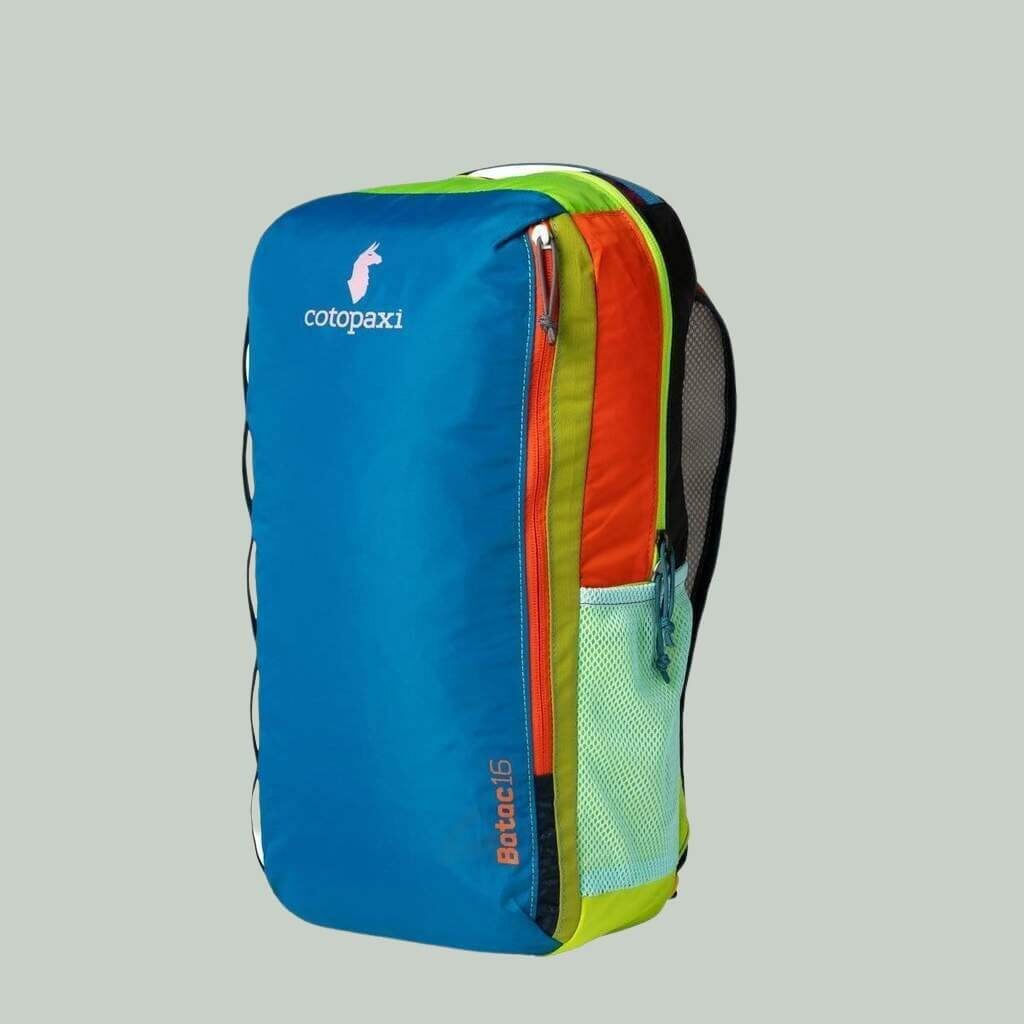
Cotopaxi is best for outdoor enthusiasts who want Patagonia-level sustainability credentials with more colourful, distinctive designs and a poverty-fighting mission. The brand's B Corp score of 125.6 is among the highest globally, its Del Día collection, one-of-a-kind products made from deadstock fabric, is genuinely innovative. The main caveats are a surprisingly poor Trustpilot score (1.6/5) driven by customer service complaints, and some greenwashing concerns around marketing claim precision.
Key info
- Headquarters
- Salt Lake City, Utah, USA
- Founded
- 2014
- Product categories
- Outerwear, Accessories, Activewear
- Price range
- $$
- Key certifications
- Certified B Corp (score: 125.6), 1% for the Planet, Fair Trade Certified (select), Climate Neutral Certified, Responsible Down Standard, bluesign approved materials
Cotopaxi sustainability rating
Our ratings are based on a scale from 1 (We Avoid) to 5 (Excellent). How we rate
Rating breakdown
As of 2024, 100% of Cotopaxi products contain repurposed, recycled, or responsibly certified materials. The Del Día collection uses deadstock fabric with ~30% lower carbon footprint. 800-fill RDS-certified down sourced through ALLIED Feather + Down with full traceability. PFAS eliminated from all new products since Spring 2024.
Supplier Code of Conduct aligns with ILO core conventions. Annual audits plus anonymous supplier surveys. Published factory lists (Tier 1 and Tier 2) on Open Supply Hub, One of only two companies to disclose living wage percentages. However, 100% living wage isn't achieved yet (targeted for 2030).
Science-based targets: 42% Scope 1&2 reduction by 2030, 90% Scope 3 reduction by 2045. Net zero by 2040. Eliminated single-use plastics from packaging. "Guaranteed for Good" lifetime warranty plus Más Vida resale platform. Retail stores transitioned to renewable energy.
Publishes one of the most comprehensive annual impact reports in the outdoor industry. Public factory/supplier lists with environmental data. Product-level sustainability info on each product page. Better Trail rates transparency as "Excellent." One of only 5 companies to disclose production volumes.
Hip packs from $25, fleece from $100, down jackets from $270. Generally similar or slightly below Patagonia. More affordable than Arc'teryx. Entry-level products accessible at $25–$45. Mid-premium pricing justified by the certification stack and mission.
What they do well
- Industry-leading transparency: public factory lists, annual impact reports with GHG data by scope, production volume disclosure, workforce demographics: rated "Excellent" by Better Trail
- 100% preferred materials achieved in 2024: every product now contains repurposed, recycled, or responsibly certified materials, with Del Día products having ~30% lower carbon footprint
- Poverty alleviation baked into the business model: 1% of revenue (not profit) funds the Cotopaxi Foundation, which has helped 4.25 million individuals experiencing extreme poverty
- B Corp score of 125.6: among the highest globally, with a 32-point jump from previous certification cycle
- Comprehensive circularity: "Guaranteed for Good" lifetime warranty + free repairs + Más Vida resale + upcycling partnerships covering the full product lifecycle
Room for improvement
- Marketing claim precision questioned: FemiGnarly's analysis found cases where recycled material claims don't hold up under scrutiny (e.g., Abrazo fleece marketed as "100% recycled" contains virgin nylon-spandex overlays) and questioned the authenticity of "limited edition" Del Día claims at large production volumes.
- Living wage ambiguity: while one of only two companies to disclose living wage percentages, Cotopaxi hasn't clarified which benchmark it uses, and the 100% living wage target isn't until 2030.
About Cotopaxi
Davis Smith grew up across Latin America, Dominican Republic, Ecuador, and elsewhere, where he witnessed extreme poverty firsthand. The Cotopaxi volcano in Ecuador, with its glacial streams and wild llamas, became the brand's namesake and symbol. After earning an MBA from Wharton, Smith launched Cotopaxi in April 2014 as one of America's first Public Benefit Corporations.
Materials are the foundation: 36.6% deadstock/repurposed, 28.5% recycled, and 8.7% third-party certified (2023 data). The signature Del Día collection gives Filipino factory workers creative control over one-of-a-kind colourways using remnant fabric. Manufacturing spans the Philippines, China (including the first Fair Trade Certified factory in China), Vietnam, and Indonesia.
Every product comes with a "Guaranteed for Good" lifetime warranty. At $25–$350, Cotopaxi competes with Patagonia but at generally similar or lower prices—in 2023, Smith stepped aside as CEO (becoming Founder & Chairman) to serve as a church mission president in Brazil, with Damien Huang taking over as President.
The brand won Fortune's "Brands That Change the World," Fast Company's "Brands That Matter," and Inc.'s "Best in Business", all in 2024.
Product highlights
Fuego Hooded Down Jacket
800-fill RDS-certified down, recycled nylon ripstop shell, packs into own pocket
~$270–$295
Bestseller; all down sourced via audited ALLIED supply chain; PFAS-free as of 2025
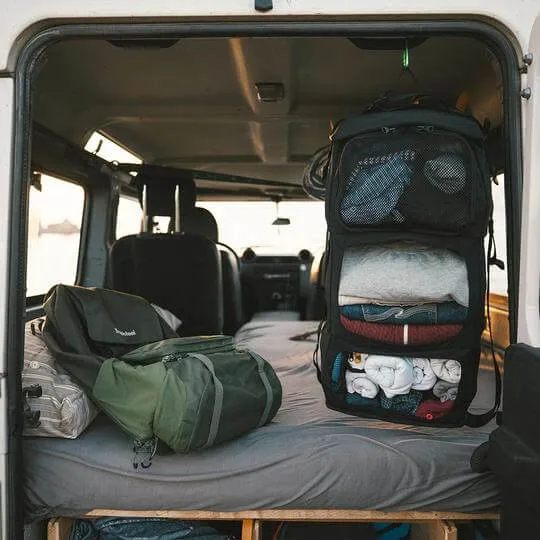
Allpa 35L Travel Pack - Del Día
Carry-on backpack made from 100% deadstock fabric, suitcase-style opening
~$215
One-of-a-kind colourway; workers have creative control; ~30% smaller carbon footprint
Kapai 3L Hip Pack - Del Día
Remnant fabric hip pack with padded back panel and secure zip pockets
~$45
Most accessible Del Día entry point; each one unique; perfect gift item
Teca Fleece Full-Zip Jacket
Recycled polyester fleece with colour-blocked patterns
~$100–$120
Iconic Cotopaxi aesthetic piece; recycled fleece; strong brand recognition driver