
Wildling Shoes
Rated: Good
Price: $$
Location: Germany
Quick verdict
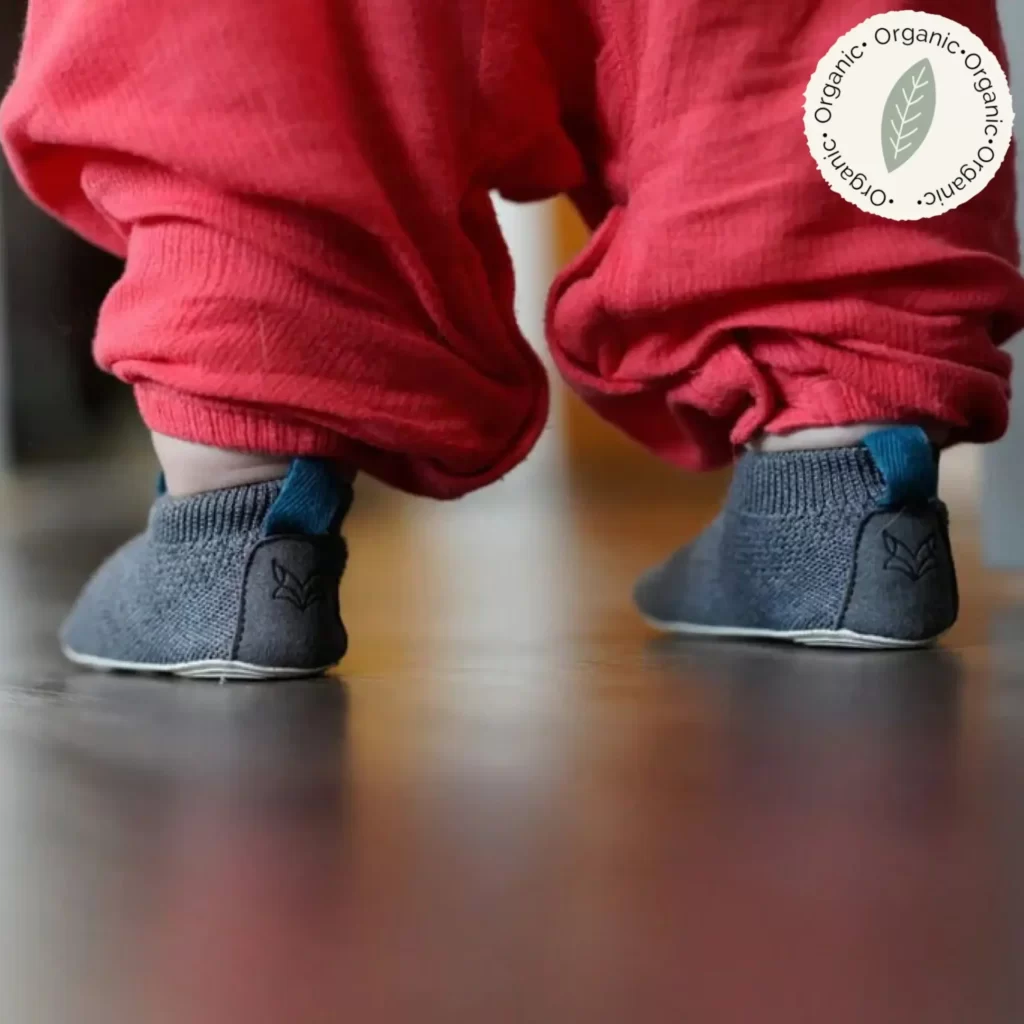
Wildling Shoes is best for eco-conscious families and barefoot shoe enthusiasts who want the same brand from toddler to adult sizes (EU 18–48) with genuinely sustainable materials and minimal design. What stands out is their B Corp certification (score 84.4), use of innovative natural materials (organic cotton, hemp, wool from endangered German sheep breeds, and Japanese washi paper fibre), and handcrafted Portuguese production. The main caveat is that there is no published Code of Conduct and no evidence of living wage assurance throughout the full supply chain, though B Corp certification provides some independent verification of worker practices.
Key info
- Headquarters
- Engelskirchen, Germany
- Founded
- 2015
- Product categories
- Shoes
- Price range
- $$
- Key certifications
- B Corp (score 84.4), 1% for the Planet, German Sustainability Award, German Design Award 2026
Wildling Shoes sustainability rating
Our ratings are based on a scale from 1 (We Avoid) to 5 (Excellent). How we rate
Rating breakdown
Genuinely innovative sourcing: organic cotton from Cotonea, European hemp, wool from endangered Pommeranian Coarsewool sheep on Rügen island, and patented Japanese washi paper fibre from Abacá plants. Soles use partially recycled synthetic rubber (~33% recycled) with recycled wine corks. Small deduction for remaining petroleum-based components (polyamide/PU microfibre edging, polyester membranes).
Handcrafted in family-run Portuguese factories with a dedicated quality team based in Portugal. B Corp Workers score is their highest category at 24.2 points. However, there is no published Code of Conduct and no evidence of living wage assurance throughout the full supply chain. No SA8000 or Fair Trade certification.
1% for the Planet member with partnerships in rewilding and regenerative agriculture. Invested in solar energy for production facilities. Innovative "Refoxed" program repurposes scrap materials. Working toward fully recyclable shoes with separable outsoles. The gap: financial contributions to Rewilding Europe were paused at end of 2022 due to economic pressures, and no finalized GHG emissions tracking is in place.
B Corp certification (score 84.4) provides independent verification. Individual product pages list exact material percentages and sourcing details. Key suppliers are named (Nordwolle, Cotonea, Itoitex). Blog extensively documents supply chain stories and honest tradeoffs. No standalone sustainability report, but transparency is strong overall for a company of this size.
Adults €89–189, kids €49–99. At the higher end of the barefoot market but competitive given B Corp certification, handcrafted Portuguese production, and organic/regenerative materials. Comparable to Vivobarefoot (€110–200+) and more expensive than Be Lenka (€79–159). Group discount of 20% on 5+ pairs helps for families.
What they do well
- Unmatched minimalism and flexibility. The ultra-thin split sole (2.5–3.5mm) is possibly the most minimal shoe on the market, rated 10/10 on barefoot scales by multiple reviewers. The signature gap in the sole mimics a fox's soft paw on forest ground.
- Genuine regenerative material innovation. From Nordwolle endangered sheep wool (fully traceable from sheep to shoe on Rügen island) to Abacá washi paper fibre (75% paper, 25% polyester), Wildling actively co-develops regenerative supply chains rather than simply sourcing "sustainable" materials.
- Whole-family sizing (EU 18–48). One of very few barefoot brands offering matching styles from toddler through large adult, making it a one-brand solution for families.
- Certified B Corp with strong score (84.4). The first German minimal shoe company to achieve B Corp certification (December 2021), providing independent verification across governance, workers, community, environment, and customers.
- Radical honesty about materials. Acknowledges petroleum-based components they're still working to replace, and openly discusses tradeoffs between performance and sustainability on their blog and product pages.
Room for improvement
- Labour verification gap. There is no published Code of Conduct and no evidence of ensuring living wages throughout the supply chain. While the B Corp Workers score is strong (24.2), no independent labour-specific certifications (SA8000, Fair Trade) exist.
- Remaining synthetic materials. Despite the strong natural materials focus, shoes still contain polyamide/PU microfibre edging, polyester membranes (though ~75% recycled), and some polyester blends. The brand acknowledges this and is targeting 100% natural/circular by 2030.
- Financial durability of impact commitments. The 1% for the Planet financial contributions to Rewilding Europe were paused after 2022 due to economic pressures. The company has been transparent about this, but it raises questions about the sustainability of environmental commitments during downturns.
About Wildling Shoes
Anna and Ran Yona founded Wildling Shoes in 2015 after moving from Israel to Germany with their three children, who had grown up running barefoot. Unable to find shoes that allowed natural foot movement, Ran (a sports therapist) and Anna began cutting open existing shoes to understand their construction and designed their own ultra-minimal shoe, launching via crowdfunding. The brand started with kids' shoes but expanded quickly to adults due to demand.
Wildling's material sourcing is genuinely distinctive. Uppers use organic cotton from Cotonea (a fair trade-committed supplier), European hemp from local farmer collectives, wool from endangered Pommeranian Coarsewool sheep on Rügen island (through their Nordwolle partnership, fully traceable from sheep to finished lining), wool from Rewilding Portugal shepherds (purchased above market prices), and patented Japanese washi paper fibre from Abacá plants (75% paper, 25% polyester, sourced from Ecuador, processed in Japan by Itoitex, woven in Portugal). Outsoles combine synthetic rubber (~33% recycled), silica, natural rubber, and recycled wine corks. Insoles use hemp-flax fleece or a walnut shell blend.
Production is handcrafted in Portugal (family-run factories) with rain boots made in Italy. The brand achieved B Corp certification in December 2021 with a score of 84.4 and is a 1% for the Planet member. They won the German Design Award 2026 for their Tanuki washi paper model. The company operates remotely across Germany (~80–140 employees) with showrooms in Berlin, Cologne, and Düsseldorf, and ships from Germany (international) or Los Angeles (US).
Adult shoes range from €89–189 ($99–139 USD), positioning them at the upper end of the barefoot market but competitive with Vivobarefoot and justified by the B Corp certification, Portuguese craftsmanship, and regenerative material story. The "Refoxed" programme repurposes leftover and scrap materials into unique new models, and outsoles are designed to be separable for future recycling.
Product highlights
Tanuki
Award-winning shoe with Japanese washi paper fibre upper (75% Abacá paper, 25% polyester)
~€119–129 (adults)
Winner of the German Design Award 2026; feather-light (as low as 56g in small sizes); one of the most innovative materials in any shoe on the market
Mar
Ultra-minimal summer shoe in 100% certified organic cotton
~€89 (adults) / ~€69 (kids)
Among the most minimal shoes available; ballet-slipper-like ground feedback; rated among the best women's barefoot shoes by OutdoorGearLab; vegan
Tann Resouled
All-weather winter boot with recycled cotton upper, Nordwolle wool padding, and full-coverage Resouled outsole
~€129 (adults)
Features the newer Resouled outsole introduced in late 2023 for better wet-weather protection; addresses the #1 customer request for more weather-resistant options
Ranidae
Barefoot rain boot in vegan water-repellent SEBS material, made in Italy
~€89 (adults) / ~€59–69 (kids)
The only true rain boot in the barefoot market with a genuine minimal sole and wide toe box; solves the "barefoot in the rain" problem

![15 Best Allbirds Alternatives: Tested & Compared [2026]](/images/blog/shoes-like-allbirds.webp)