ABLE
Rated: Great
Price: $$
Location: USA
Quick verdict
ABLE is best for women who want timeless leather goods and handcrafted jewelry with a powerful social mission, specifically the economic empowerment of women in vulnerable communities. The brand's pioneering #PublishYourWages initiative (first fashion brand to disclose lowest wages publicly in 2018) and its origin story providing jobs for women leaving the sex trade in Ethiopia make it one of the most mission-driven brands in ethical fashion. Caveats: environmental credentials lag behind the social impact story, there's no formal animal welfare policy despite heavy leather use, and returns are store credit only.
Key info
- Headquarters
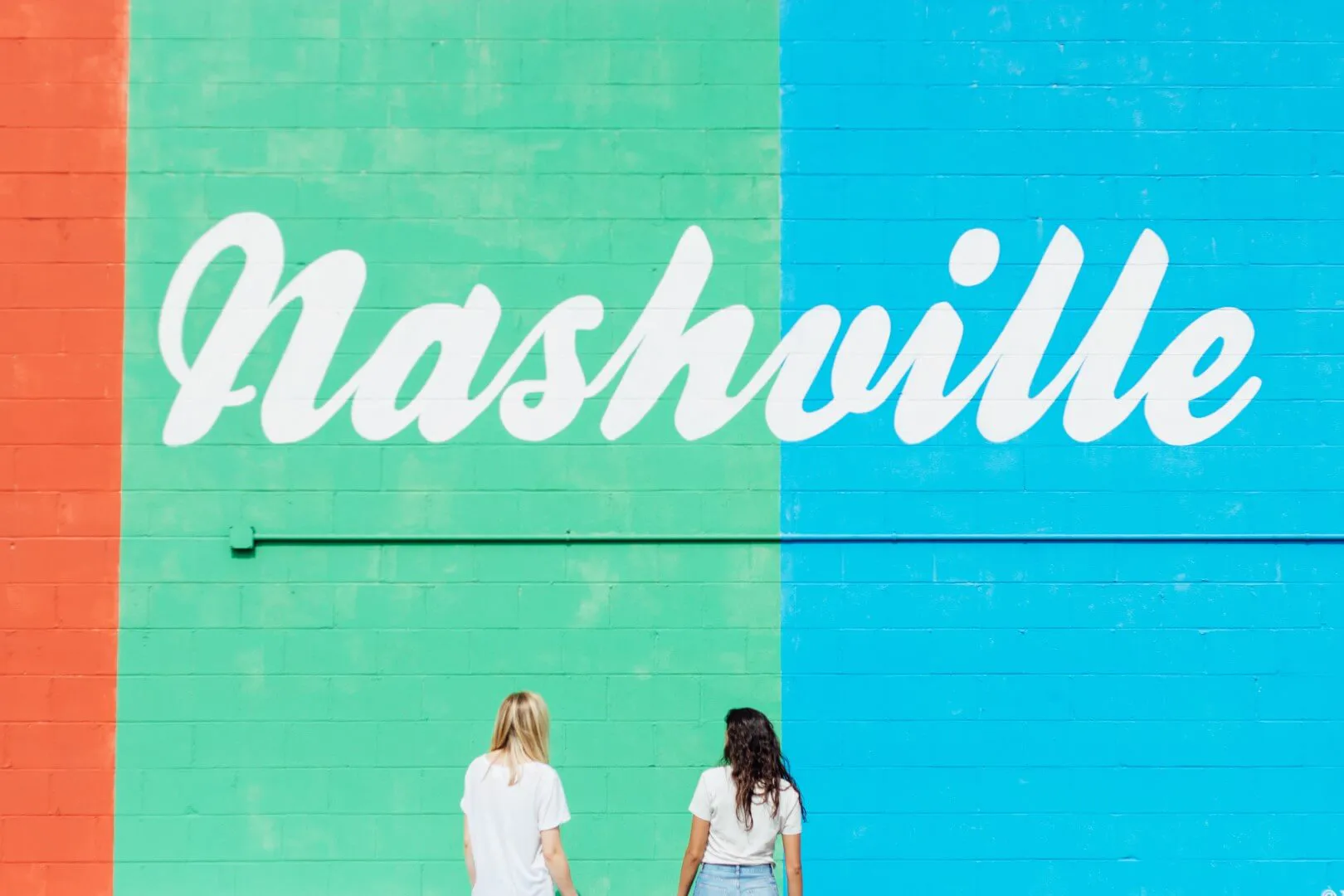
- Nashville, Tennessee, USA
- Founded
- 2010 (as FashionABLE; rebranded ~2017)
- Product categories
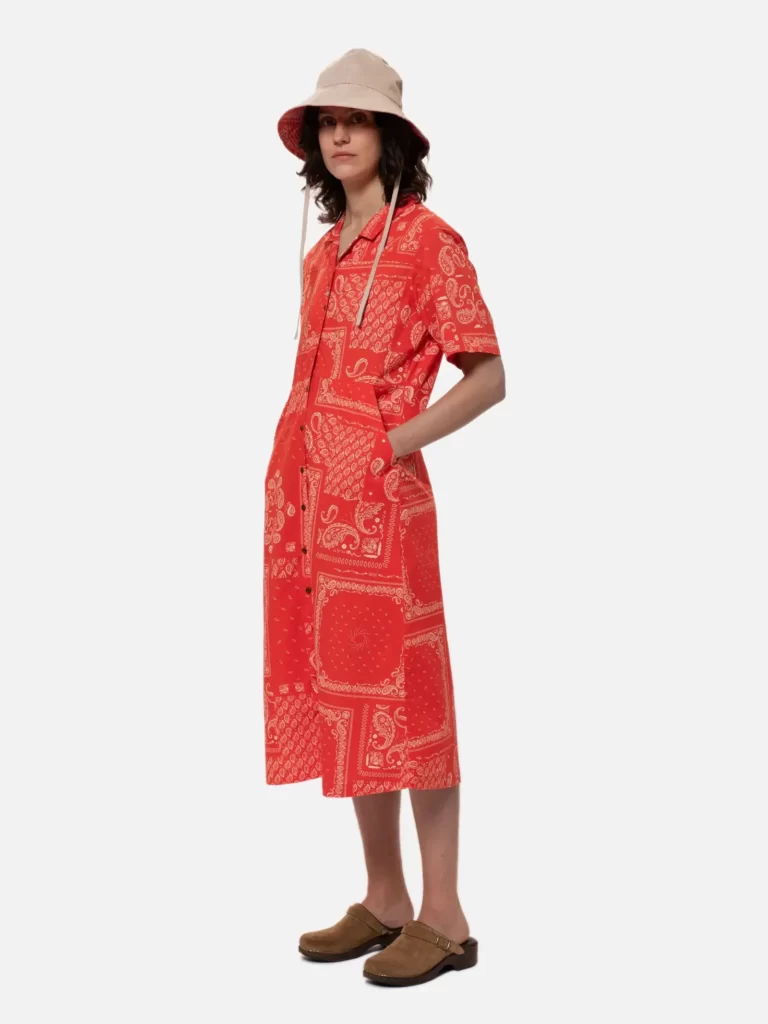
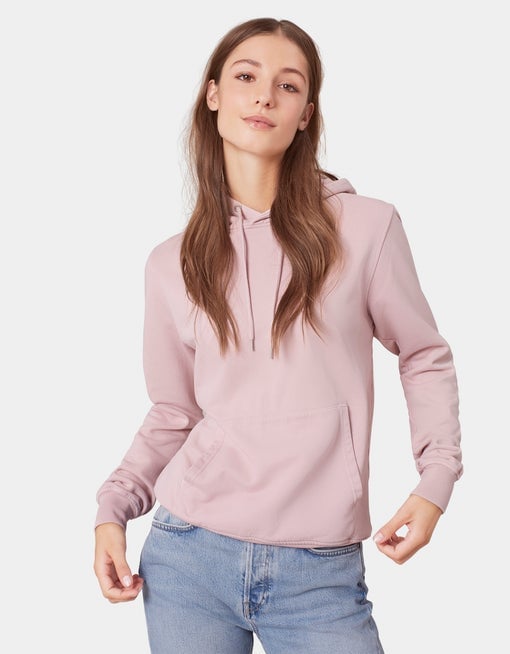
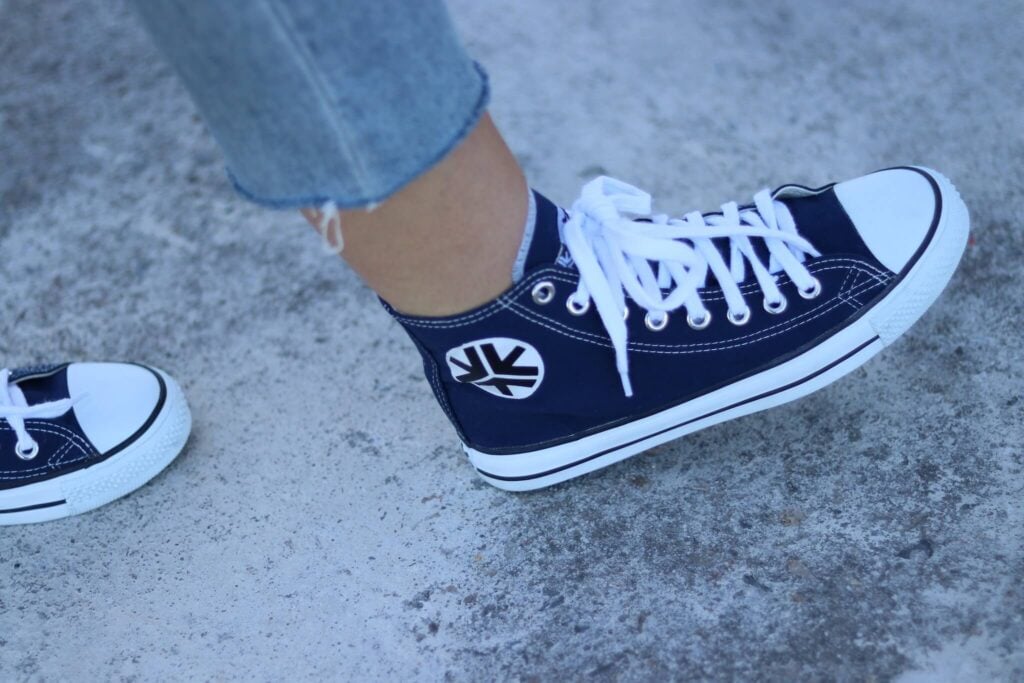
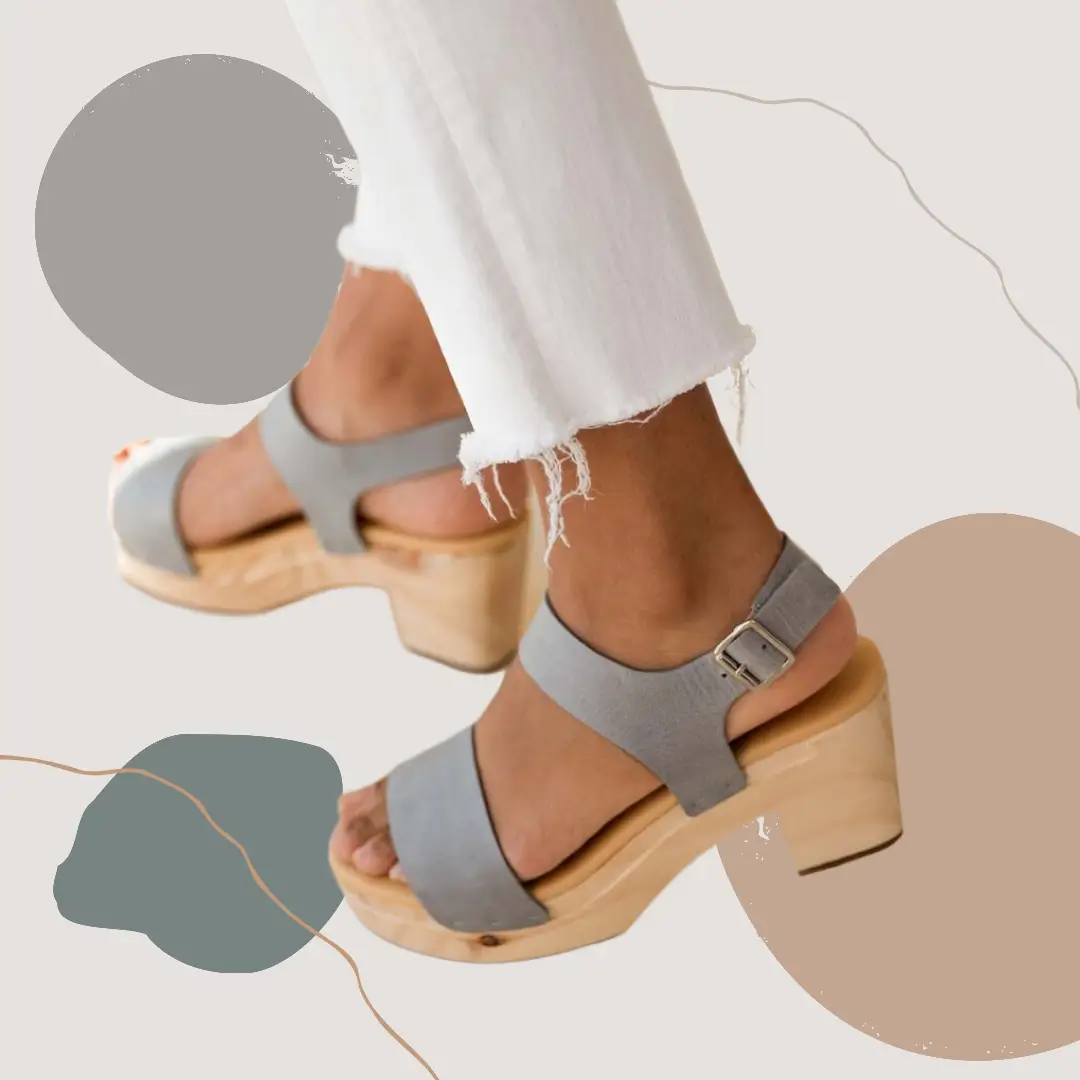
- Womenswear, Shoes, Accessories, Denim
- Price range
- $$
- Key certifications
- Some GOTS organic cotton; ACCOUNTABLE social impact audit (proprietary)
ABLE sustainability rating
Our ratings are based on a scale from 1 (We Avoid) to 5 (Excellent). How we rate
Rating breakdown
Uses 100% organic cotton (some GOTS-certified), recycled metals in jewelry, and leather sourced as a byproduct of the meat industry with some recycled leather. However, no evidence of action on hazardous chemicals, and conventional leather remains a core material.
Industry-leading transparency through published lowest wages and the ACCOUNTABLE audit system. Manufacturing partners are often women-owned, and Nashville HQ is 100% women. Ensures some workers earn a living wage, with one Ethiopian partner (Sabegn) reaching 100% living wages after auditing.
Produces long-lasting products and reuses scraps. Transitioned to 100% recyclable packaging in 2021. Handmade production reduces energy use. However, no published carbon data, no science-based targets, and no circularity or take-back program.
Pioneered the #PublishYourWages movement and developed the ACCOUNTABLE social impact audit tool (becoming an independent nonprofit). Publishes specific wage data for Nashville and Ethiopia. Traces all final-stage production. COVID-19 disrupted in-person auditing, and some partner data hasn't been updated.
Premium pricing reflects ethical production costs. Leather bags $48–$398, jewelry $40–$118, clothing $86–$158, Competitive with comparable ethical brands like Nisolo or Parker Clay. Quality is praised, especially leather goods that age beautifully.
What they do well
- #PublishYourWages pioneer: in 2018, became the first fashion brand to publicly disclose its lowest wages, including unflattering data, setting a new industry standard for transparency
- Women's economic empowerment as founding DNA: created to provide jobs for women leaving the commercial sex industry in Ethiopia; Nashville HQ is 100% women; partners with Nashville Rescue Mission addiction recovery programs
- ACCOUNTABLE audit system: developed a proprietary third-party social impact assessment evaluating wages, equality, and safety, now becoming an independent nonprofit for industry-wide use
- Quality craftsmanship and longevity: handcrafted leather goods (especially the Mamuye Tote) are widely praised for aging beautifully; jewelry is handmade in Nashville; a genuine slow fashion approach
- Inclusive sizing: expanded to XXS–3X with commitment to extending the full collection to this range
Room for improvement
- Environmental gaps. There is no evidence the brand is taking meaningful action to reduce or eliminate hazardous chemicals. No published carbon footprint, no science-based targets, and no circularity program. Environmental stewardship lags significantly behind the social impact story.
- No animal welfare policy. ABLE uses leather, wool, silk, and pearl without a formal animal welfare policy, which is a notable gap for an ethics-forward brand.
- Wage audit data currency, COVID-19 disrupted in-person auditing; Nashville wages were audited in 2017, Ethiopia in 2019. Several manufacturing partners (Brazil, Mexico, India) lack published audit results. The transparency commitment is admirable, but the data is aging.
About ABLE
ABLE was founded in 2010 by Barrett Ward and Rachel Ward as "FashionABLE," a nonprofit selling hand-woven scarves made by women leaving the commercial sex industry in Addis Ababa, Ethiopia. The vision was "jobs, not charity." Over 15 years it evolved into a full lifestyle brand carrying leather goods, jewelry, and clothing, rebranding to "ABLE" around 2017. The company is now led by CEO Misti Blasko.
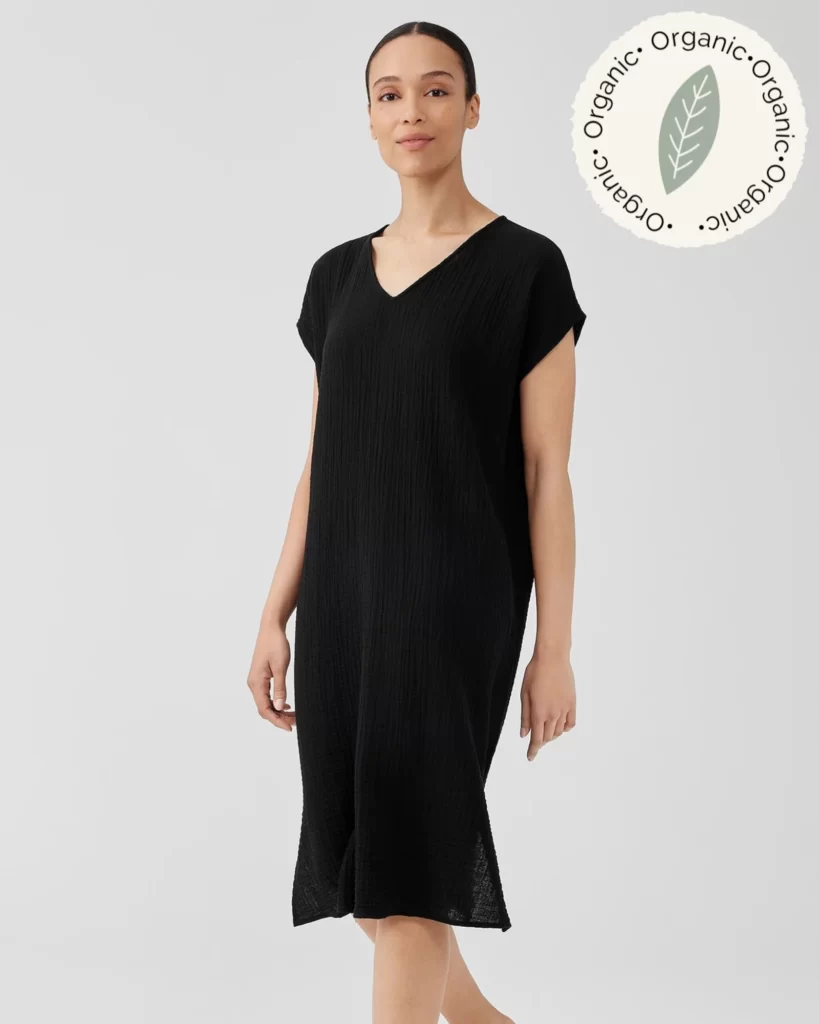
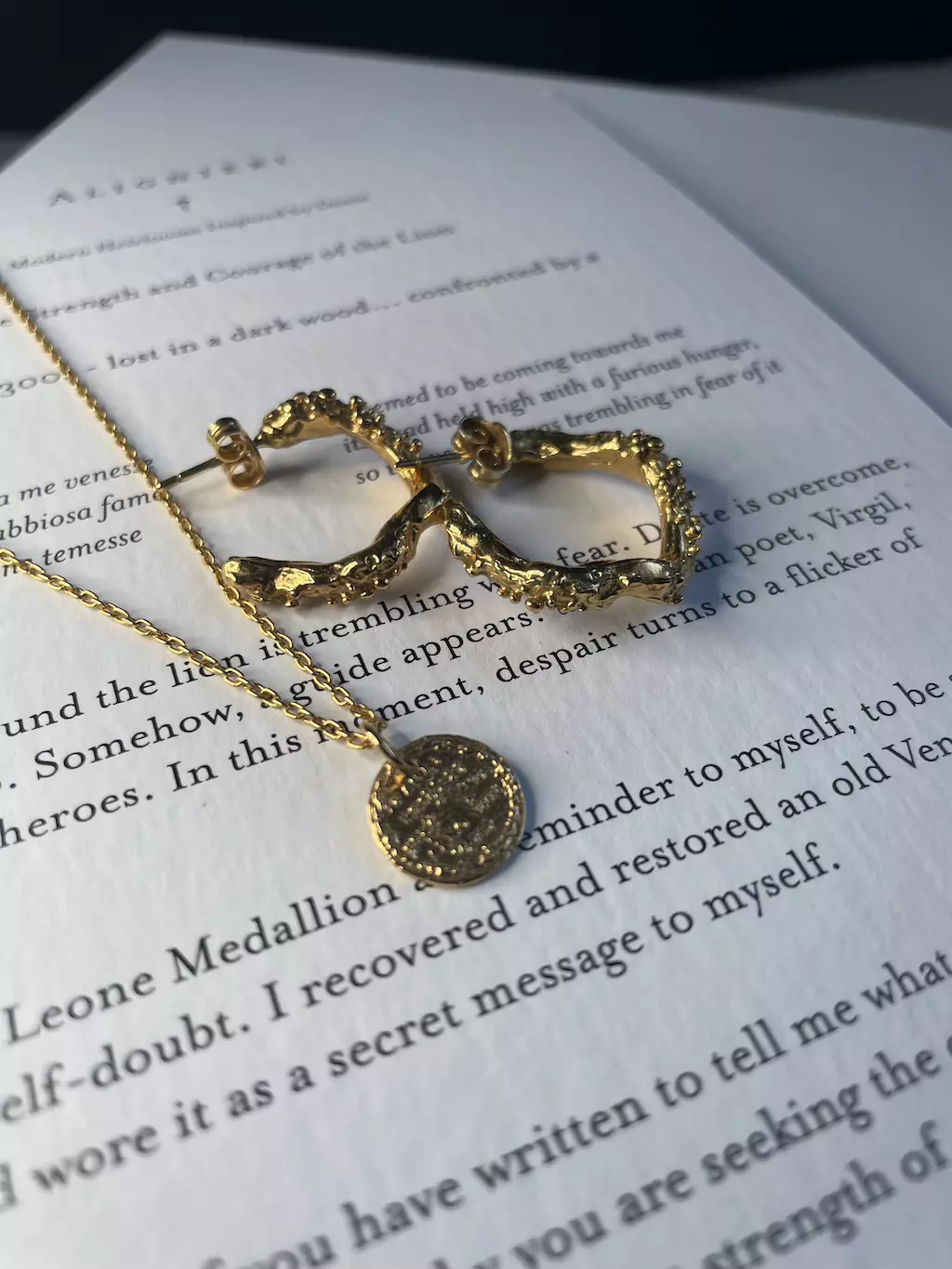
Key materials include 100% organic cotton (some GOTS-certified) for clothing, premium leather for bags sourced as a meat industry byproduct, and recycled metals and sterling silver for jewelry. The brand transitioned to 100% recyclable packaging in 2021. Jewelry is handcrafted at ABLE's Nashville headquarters by women, many recruited through partnerships with the Nashville Rescue Mission's addiction recovery programs. Leather goods are made in Ethiopia, with additional manufacturing in Mexico, Peru, Brazil, and India.
The #PublishYourWages initiative launched in 2018, making ABLE the first fashion brand to publicly disclose its lowest wages. They co-launched the #LowestWageChallenge with Nisolo in 2019. The proprietary ACCOUNTABLE audit system evaluates wages, equality, and safety across their supply chain. Shipping is free in the US on orders over $125 (5–7 business days). Returns are accepted within 30 days but issued as store credit only. Pricing sits in the $$$–$$$$ range: jewelry from $40, leather bags $48–$398, clothing $86–$158 at full price (frequent 40–50% off sales).
Product highlights
Mamuye Classic Tote
Handcrafted leather tote from Ethiopia, fits 16" laptop
~$228
Signature product; named after a female artisan; develops beautiful patina; 400+ reviews
Merly Jacket
Soft, stretchy denim jacket
~$138
Over 1,200 reviews; one of ABLE's most-loved wardrobe staples
Maha Leather Jacket
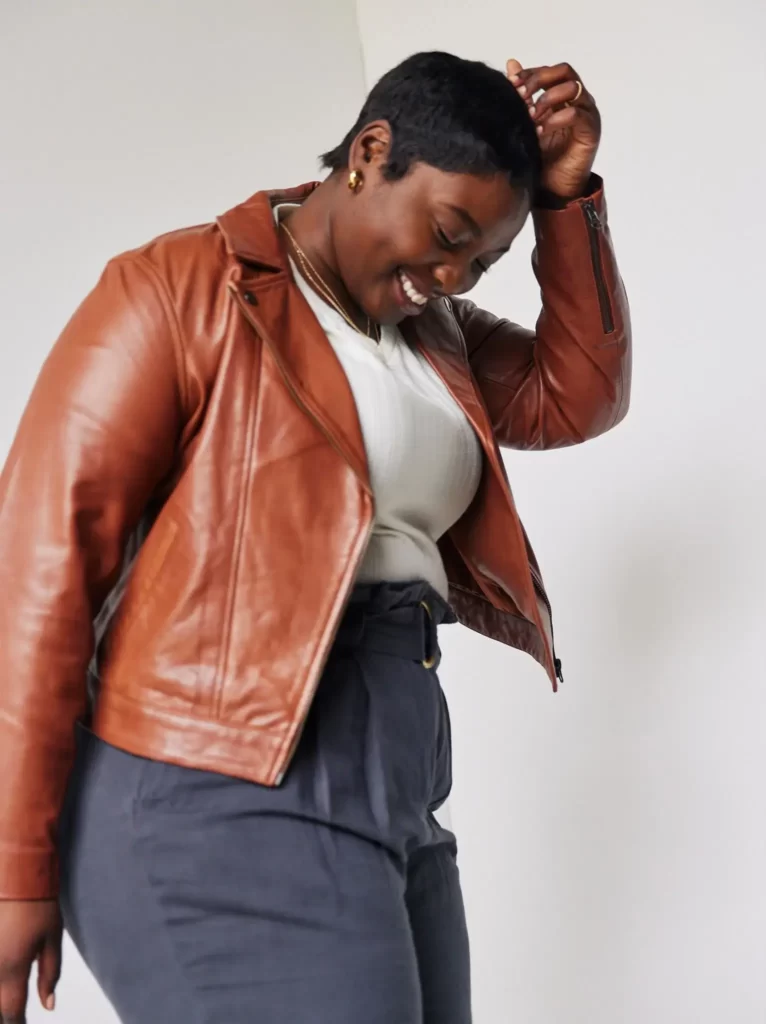
Statement leather jacket handcrafted in Ethiopia
~$398
Premium investment piece built for years of wear; available in Whiskey and Black
Heart Stacking Ring
14k gold-fill, handcrafted in Nashville studio
~$40
Affordable entry-point jewelry made by women in recovery programs