Whimsy and Row
Rated: Fair
Price: $$
Location: USA
Quick verdict
Whimsy and Row is best for style-conscious women who want effortlessly chic, locally made sustainable clothing with a California aesthetic. The brand stands out for its limited-run production model (waitlist/preorder to prevent overproduction), deadstock fabric use, and zero-waste manufacturing where scraps become bandanas, scrunchies, and other accessories. Notable caveat: The brand lacks formal third-party certifications, there is no evidence of living wage assurance.
Key info
- Headquarters
- Los Angeles, California, USA
- Founded
- 2014
- Product categories
- Womenswear, Dresses
- Price range
- $$
- Key certifications
- No formal certifications (no B Corp, GOTS, Fair Trade). Uses TENCEL, Lenzing Modal, ECOVERO, organic cotton, Partners with Carbonfund.org and EcoEnclose.
Whimsy and Row sustainability rating
Our ratings are based on a scale from 1 (We Avoid) to 5 (Excellent). How we rate
Rating breakdown
Impressive range of sustainable fabrics: deadstock/upcycled fabric, certified organic cotton, linen, TENCEL, Lenzing Modal, Cupro, ECOVERO. Explicitly avoids synthetic materials where possible. Uses only recycled water and low-impact dyes. Some items do include conventional rayon at premium price points.
Manufacturing is mostly in DTLA (a few miles from HQ), with some production in St. Louis and India. The team visits factories weekly. However, there is no evidence it ensures workers are paid living wages and no evidence it has a published Code of Conduct.
Exceptional practices. Limited-run production with waitlist to prevent overproduction; zero-waste manufacturing; only recycled water used (11 million+ "days of water" saved); low-impact dyes; 100% recycled packaging; carbon offsets via Carbonfund.org (384,075 lbs CO2 avoided); local manufacturing; resale program via Treet.co.
Relatively transparent about values, materials, and factory relationships (dedicated "Our Factories" page). Founder Rachel Temko is highly visible in press. Lacks third-party certifications, externally audited sustainability reports, or detailed supplier lists.
Premium pricing ($61 for a basic top, $248 for a linen dress) is higher than comparable sustainable brands like Reformation. LA-made, small-batch model justifies some premium, but lack of formal certifications makes it harder to validate. Sale sections and sample sales (items from $5–$20) improve accessibility.
What they do well
- Limited-run/waitlist production model, Produces in small batches with a waitlist feature to gauge demand before restocking, virtually eliminating overproduction—a leading circular practice
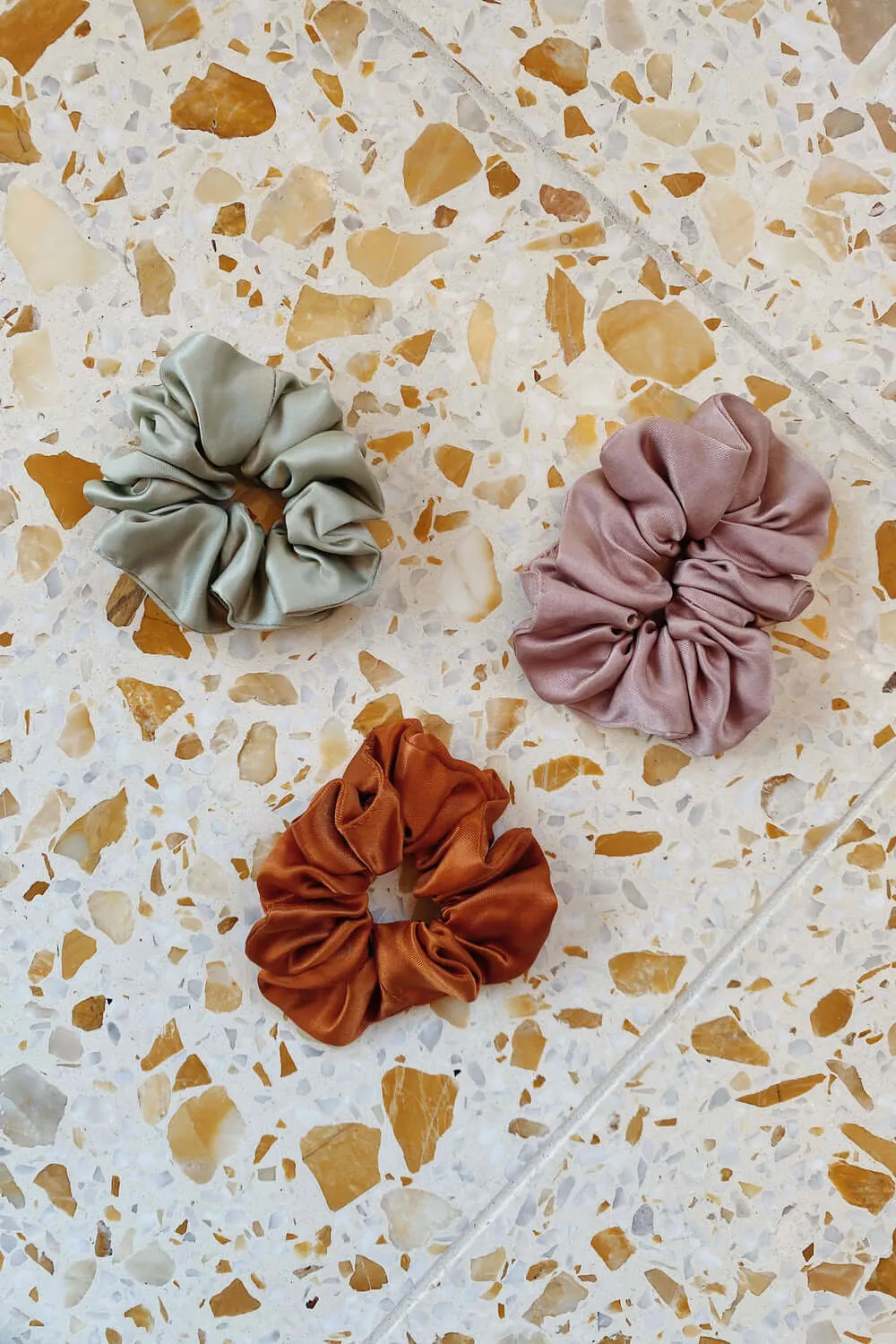
- Zero-waste manufacturing. Turns all fabric scraps into bandanas, bucket hats, scrunchies, and accessories. Uses only recycled water and low-impact dyes
- Hyper-local manufacturing. Most production happens within a few miles of DTLA, enabling weekly factory visits and minimizing transportation emissions
- Built-in resale program ("Wear it Again Whimsy"): via Treet.co directly on their website, enabling customers to buy and sell pre-loved pieces
- 100% recycled/recyclable packaging. From EcoEnclose, Noissue tissue paper, and Ditto hangers. Every touchpoint is eco-considered
Room for improvement
- No formal third-party certifications: Despite using organic cotton and sustainable fibers, the brand holds no GOTS, B Corp, Fair Trade, or OEKO-TEX certification. Founder acknowledged in 2020 they were "working toward getting all certifications," but none have materialized as of 2025.
- Living wage transparency lacking: There is no evidence the brand ensures workers are paid living wages and no evidence it has a published Code of Conduct. While fair wages are claimed through weekly factory visits, this remains unverified.
About Whimsy and Row
Whimsy and Row was founded in 2014 by Rachel Temko in West Los Angeles. Temko, who studied fashion in San Francisco, grew frustrated with the waste and dishonesty in the industry. She initially launched as a vintage curation brand at LA flea markets. When original pieces made from deadstock fabric sold out within months, the brand pivoted to its current model: small-batch, locally made sustainable clothing.
Core fabrics include deadstock/upcycled textiles, certified organic cotton (denim line), linen, TENCEL Lyocell, Lenzing Modal, Cupro, and ECOVERO viscose. All garments are dyed with low-impact dyes and produced using only recycled water. Manufacturing primarily takes place in DTLA factories within a few miles of headquarters, with some production in St. Louis and India.
Pricing sits at the premium end of sustainable fashion: dresses run $125–$248, pants $155–$188, blazers up to $288, positioning it alongside Reformation and Christy Dawn. The brand addresses this with frequent sales (up to 70% off), a sample sale section (items from $5), and the resale platform. Shipping is US-focused but available worldwide, with free domestic shipping over a certain threshold. All packaging is 100% recycled materials. The brand lacks B Corp or GOTS certification, but its practices. From zero-waste production to the built-in resale marketplace. Demonstrate genuine commitment.
Product highlights
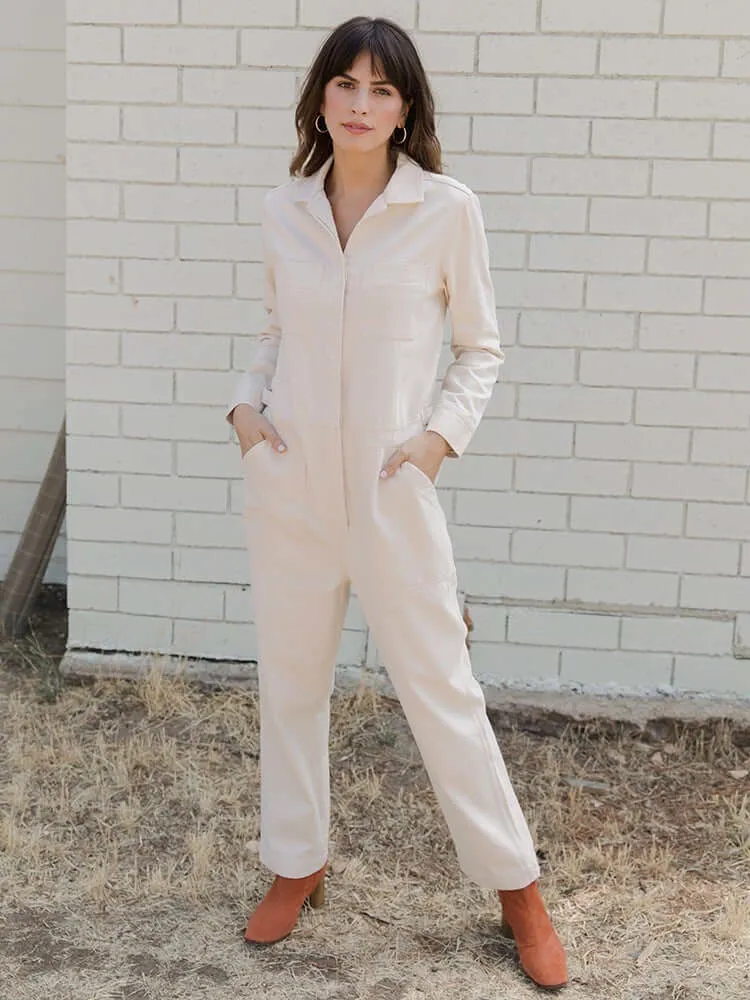
Logan Jumpsuit
Short-sleeve button-closure jumpsuit in sustainable fabric
~$194–$210
Bestseller embodying the brand’s "one-and-done" dressing philosophy; made in DTLA
Valentina Top
Wrap-style linen top wearable tied front or back
~$87–$94
Iconic viral piece with multiple styling options; recurring sellout
Grace Jumpsuit in Dark Denim
Overalls-style jumpsuit in organic cotton dark denim
~$183
Part of the organic denim collection. Material ambition beyond deadstock
Lola Dress
Deep V-neckline maxi dress with flounce detail
~$242–$248
Signature statement piece; customer favorite across reviews