Colorful Standard
Rated: Excellent
Price: $$
Location: Denmark
Quick verdict
Colorful Standard is best for anyone seeking vibrant, responsibly made wardrobe basics at a genuinely accessible price point. The standout feature is their 50+ garment-dyed colorways across every product, all manufactured in their own Portuguese factory using organic cotton. The main caveat is a lack of living wage verification and no formal code of conduct, there is no evidence the brand ensures workers earn a living wage, and no formal code of conduct has been published.
Key info
- Headquarters
- Copenhagen, Denmark
- Founded
- 2017
- Product categories
- Basics, Menswear, Womenswear
- Price range
- $$
- Key certifications
- B Corp (92.8), OEKO-TEX Standard 100, OCS100, GRS, PETA Approved Vegan, FSC
Colorful Standard sustainability rating
Our ratings are based on a scale from 1 (We Avoid) to 5 (Excellent). How we rate
Rating breakdown
Uses 100% OCS100-certified organic cotton from India and GRS-certified recycled merino wool. No regenerative materials yet, and swim shorts contain non-recycled polyamide blended in.
Factory operates under EU labor law in Portugal, and visitors are welcome. However, there is no evidence of a formal code of conduct and no verified living wages, only legal minimums confirmed.
Garment-dyeing reduces waste, laser cutting minimizes scraps, and pre-washing prevents returns from shrinkage. Carbon-neutral shipping via UPS. FSC-certified packaging. No-season model avoids overproduction.
Factory address is public and visitors welcome, unusually open for its size. However, no published impact report, no factory audit data, and limited traceability on Indian cotton sourcing. Eco-Stylist gave a Silver rating partly for transparency gaps.
Organic tees at ~$35–40 and hoodies at $88 sit competitively against peers like Kotn and Pangaia. No-sale model means consistent pricing year-round. Quality-to-price ratio is frequently praised in reviews.
What they do well
- Own-factory model in Barcelos, Portugal gives them direct control over quality and working conditions: rare for a brand this size
- Unrivaled color range with 50+ vibrant options per product, garment-dyed with OEKO-TEX certified non-toxic dyes
- No-season, no-sale philosophy that opposes trend-driven overproduction and discounting cycles
- B Corp certified in 2025 with a score of 92.8, validating their social and environmental commitments
- Donates 5% of profits to charitable initiatives, including a children's activity center in the DRC serving 400+ kids
Room for improvement
- No verified living wages in the supply chain, EU minimum wage is enforced, but no evidence workers earn a living wage as defined by bodies like the Global Living Wage Coalition.
- Limited raw material traceability, cotton is sourced from India, but no detail on specific farms, farmer conditions, or third-party cotton supply chain audits.
- No circularity program, despite using mono-material garments (easily recyclable), there is no take-back, resale, or repair scheme in place.
About Colorful Standard
Danish entrepreneur Tue Deleuran founded Colorful Standard in late 2017 after nearly two decades in fashion and textiles, including running his own Portuguese factory since 2008. That factory, in Barcelos, Portugal, now serves as the brand's sole manufacturing center, giving Colorful Standard an unusual level of supply chain control for a mid-sized basics brand.
All garments use OCS100-certified organic cotton sourced from India, while knitwear relies on GRS-certified recycled merino wool. Their B Corp score of 92.8 (certified 2025) exceeds the 80-point certification threshold, though it falls below standout B Corps like Patagonia (166), Manufacturing in the EU means workers are covered by European labor protections, but the brand has not independently verified living wages or published audit reports, a gap in their ethical credentials.
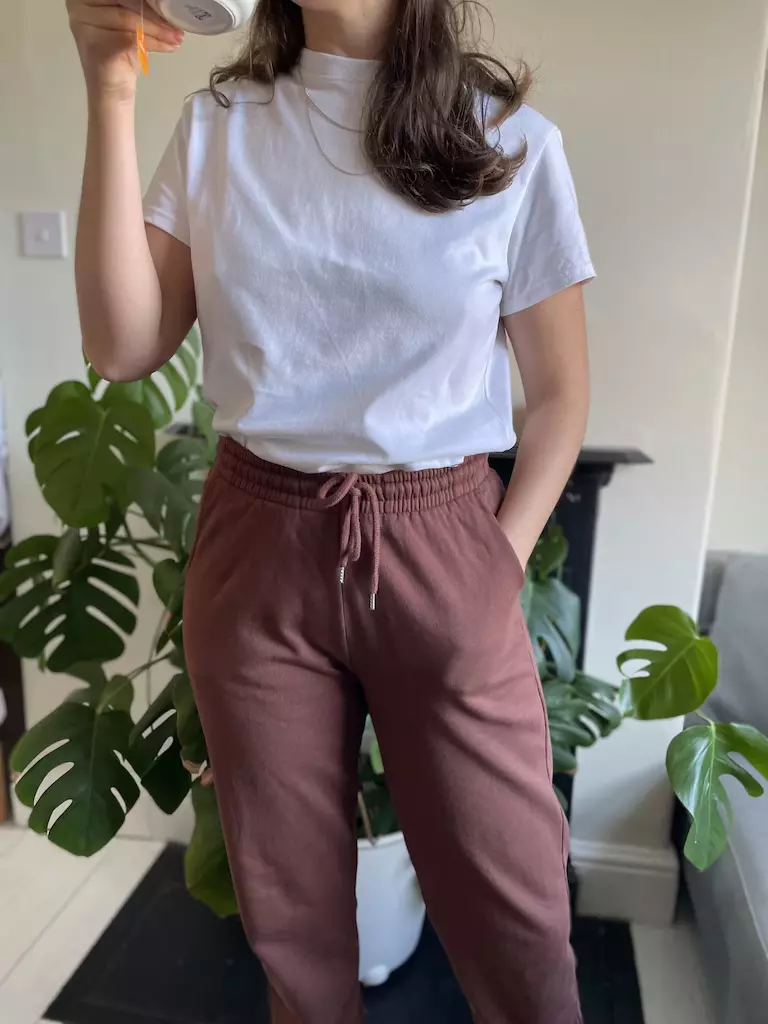
Shipping is carbon-neutral via UPS, and packaging is FSC-certified. Pricing sits in the accessible middle ground for sustainable basics: organic tees run ~$35–40, hoodies $88, and sweatpants ~$85–90. That's significantly cheaper than Pangaia but slightly above PACT or Yes Friends. The brand has grown 100% annually in its first four years, now stocking in 1,100+ retailers across Europe with eight flagship stores, and secured investment from ABN AMRO's Sustainable Impact Fund.
Product highlights
Classic Organic Tee
100% organic cotton crew neck, garment-dyed, pre-washed, 180g weight
~$35–40
Signature product available in 44+ colors, the brand's bestseller
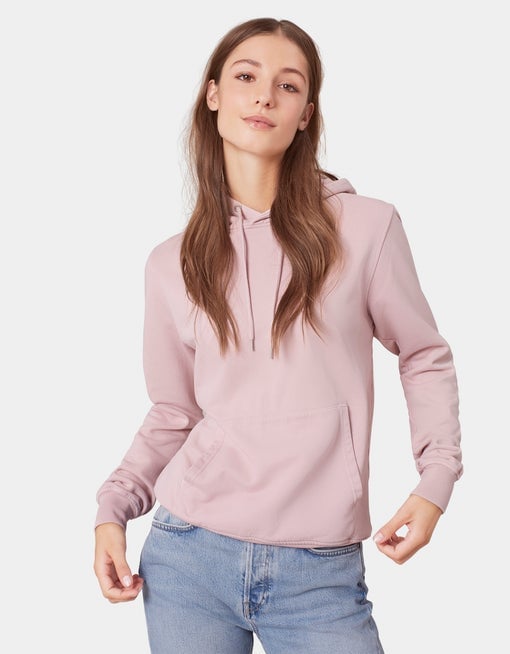
Organic Oversized Hoodie
Organic cotton, brushed interior, kangaroo pocket, 350g anti-pilling fabric
$88
Available in 46+ colors; double-lined hood and pre-washed for zero shrinkage
Recycled Merino Wool Crewneck
100% pre-consumer recycled merino, GRS-certified, zero-waste production
~$100–120
Naturally antibacterial and breathable; frequently sells out in popular colors
Organic Twill Shorts
GOTS-certified organic cotton twill, versatile casual-to-outdoor fit
~$60–70
Rated 5/5 by Ecothes reviewer; available in multiple earth tones