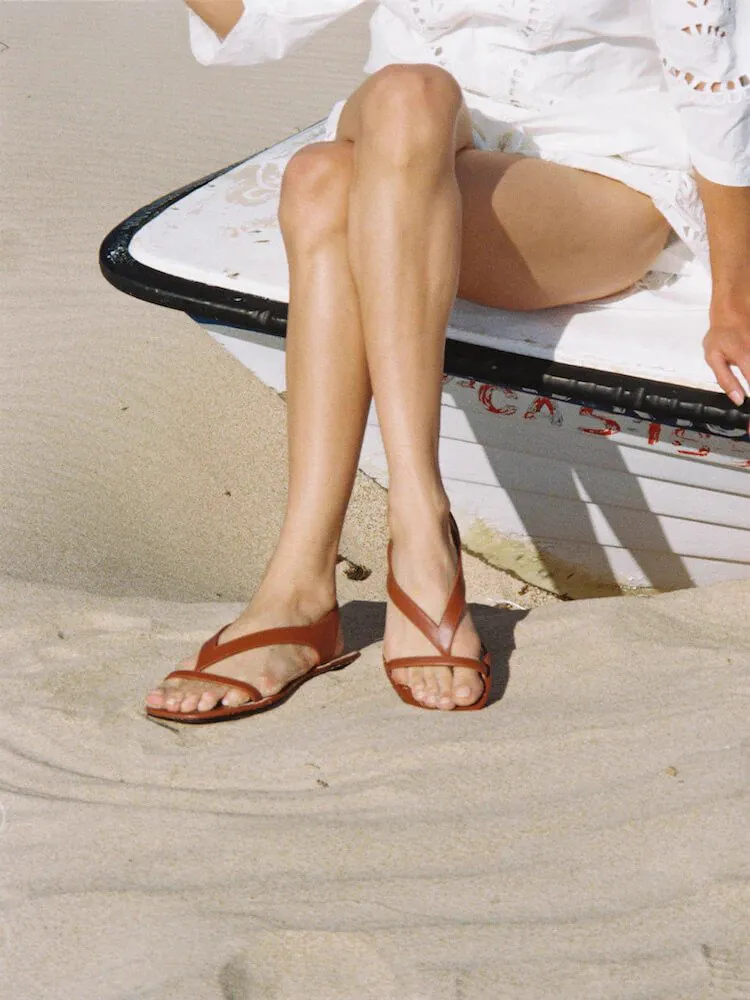
The Root Collective
Rated: Good
Price: $$
Location: USA

Quick verdict
The Root Collective is best for conscious consumers who prioritise social impact and artisan livelihoods over environmental certifications. The brand's standout strength is its deeply rooted mission to create dignified jobs for marginalised communities in Guatemala, including former gang members and indigenous Mayan women weavers. Critical caveat: the brand appears to be in a significant transition period. Founder Bethany Tran left in October 2025 to become Executive Director of the Fair Trade Federation, and the website currently shows widespread product phase-outs at heavy discounts (60% off), suggesting the brand may be winding down or restructuring.
Key info
- Headquarters
- United States (Towson, MD / Raleigh, NC)
- Founded
- 2013
- Product categories
- Shoes
- Price range
- $$
- Key certifications
- Leather Working Group certified tannery (partial); previously B Corp (status unclear/likely lapsed); Fair Trade Federation member
The Root Collective sustainability rating
Our ratings are based on a scale from 1 (We Avoid) to 5 (Excellent). How we rate
Rating breakdown
Uses genuine leather (some from a Leather Working Group certified tannery working toward carbon neutrality) and handwoven textiles from indigenous Mayan women's cooperatives. Limited use of eco-innovative materials. No organic cotton, recycled synthetics, or similar. Leather remains environmentally intensive.
Exceptional. A social enterprise explicitly created for fair employment. Pays beyond fair trade wages, with living wage ensured at all production stages. Artisans known by name. Provides jobs to former gang members and women's cooperatives in rural Guatemala.
No evidence of action on textile waste, hazardous chemicals, or water reduction. Handmade production naturally limits waste, but no published environmental policy, carbon reporting, or formal sustainability targets exist.
Highly transparent about artisan partnerships and social impact. Founder was notably open about finances. Traces most of the supply chain. However, no formal impact reports, published environmental data, or detailed supply chain audits. Previously B Corp certified but no longer appears in the directory.
Premium tier at $100-$300 for shoes and bags. Justified by handcrafted artisan production and social impact. Customers praise comfort and leather quality that ages well.
What they do well
- Transformative social impact. Directly employs artisans in La Limonada (Guatemala City's largest urban slum), including former gang members trained as shoemakers by master craftsman Don Otto, providing a tangible alternative to gang recruitment
- Women's economic empowerment. Partners with 100% women-owned cooperatives where indigenous Mayan women handweave fabrics using traditional methods, preserving cultural traditions while providing income
- Living wages verified across supply chain. Confirmed living wage payment at all final and second stages of production, a distinction many larger brands cannot claim
- Community giveback. 10% of each sale (not just profit) goes to nonprofit partners including Lemonade International (education, food, health services in La Limonada) and Come Unity (education, clean water in Africa)
- Small-batch, handcrafted production. Each product uses traditional shoemaking techniques (hand-sewn soles, hand-carved heels), inherently reducing overproduction and waste
Room for improvement
- Environmental practices are a major gap. No formal environmental policy, no action on textile waste, water use, or hazardous chemicals, and no carbon reporting.
- Lack of formal current certifications. B Corp certification appears to have lapsed (not found in the current B Corp directory). While a Fair Trade Federation member, TRC does not hold formal Fair Trade USA certification. No GOTS or OEKO-TEX certifications.
About The Root Collective
The Root Collective was founded in 2013 by Bethany Tran after life-changing visits to La Limonada, the largest urban slum in Central America, located in Guatemala City. The brand was born from Tran's partnership with Don Otto, a master shoemaker who grew up amid gang violence and dreamed of training former gang members in his craft.
Products are 100% handcrafted in Guatemala. Leather is genuine, with some sourced from a Leather Working Group certified tannery. Colourful fabrics are handwoven by indigenous Mayan women's cooperatives using traditional loom techniques. Production follows old-world shoemaking methods: hand-sewn soles, hand-carved heels, with each shoe requiring a minimum of three hours of skilled labour.
The product range includes shoes (flats, boots, sandals, sneakers, heels, wedges) and accessories (tote bags, crossbody bags, backpacks). Retail prices typically range from $100-$300. Shipping is free on U.S. orders over $200, with free size exchanges. The brand ships internationally.
10% of every sale is donated to community nonprofits. The brand was previously B Corp certified and operates on fair trade principles. In October 2025, Bethany Tran was announced as the new Executive Director of the Fair Trade Federation, having led TRC for 12 years. The website currently shows many products being phased out at heavy discounts, suggesting the brand is in a transition period.
Product highlights
Espe Ankle Boot
Handcrafted leather and woven textile bootie with hand-carved wood heel
~$189–248
Signature style: leather by La Limonada artisans combined with Mayan-woven fabric
Gaby Flat
Genuine nubuck leather ballet flat
~$100–130
Beloved for all-day comfort; leather moulds to foot shape over time
Kirsten Chelsea Boot
Classic leather Chelsea boot, handcrafted using traditional techniques
~$200–248
Creates 7 hours of work for makers per pair
Crossbody/Tote Bags
Handmade leather bags in various styles
~$100–180
Same ethically sourced Guatemalan leather, extending artisan impact beyond footwear
![15 Sustainable Handbag Brands You Should Know [2025]](/images/blog/sustainable-handbag-brands.webp)
![7 Fair Trade & Sustainable Shoes [2021]](/images/blog/sustainable-shoes.webp)