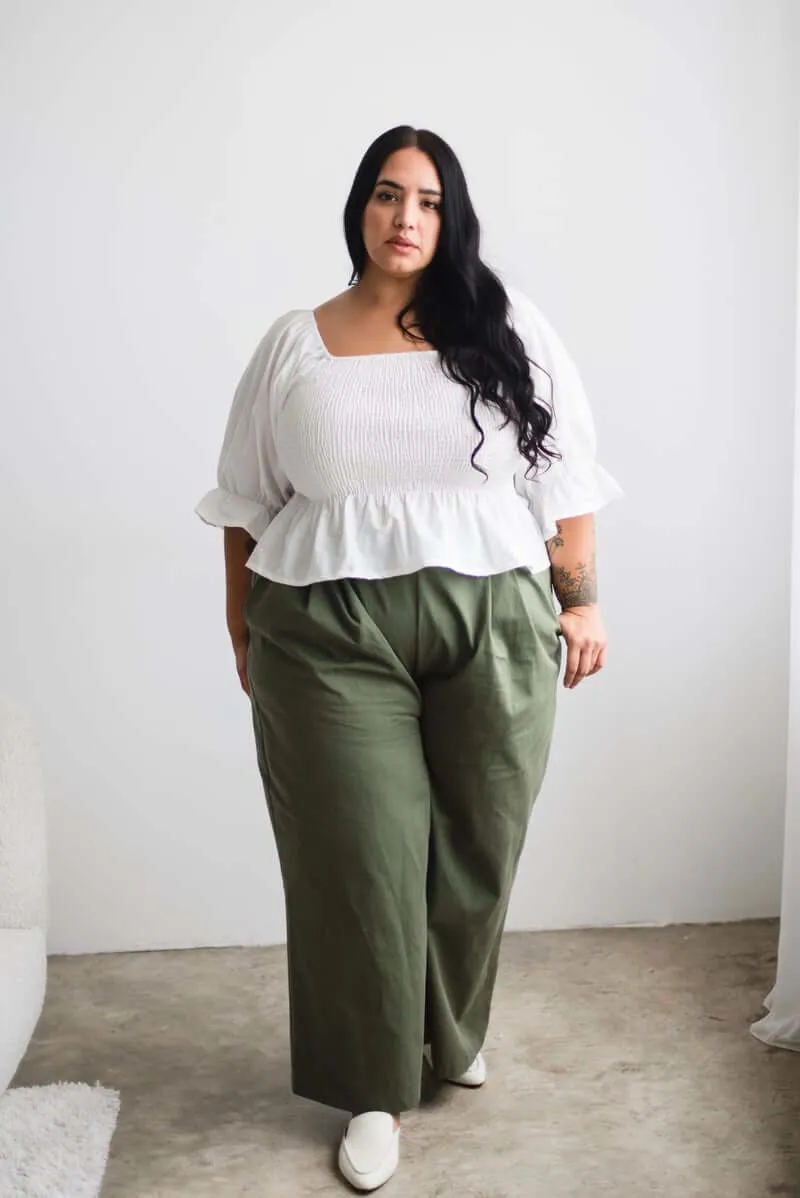
Sotela
Rated: Good
Price: $$
Location: USA
Quick verdict
Sotela has ceased operations as of approximately 2024/2025 and is included here for archival purposes. When active, it was best for consumers seeking radically size-inclusive (0–30), eco-friendly, minimalist wardrobe staples, particularly those whose bodies fluctuate due to pregnancy, hormonal changes, or weight shifts. What stood out was their 100% made-to-order model (zero overproduction), flexible sizing where each garment fits 1–2 traditional sizes, and in-house LA manufacturing with living wages. The primary caveat, beyond the brand's closure, was limited formal certifications (no B Corp, no Fair Trade).
Key info
- Headquarters
- Los Angeles, California, USA
- Founded
- 2016
- Product categories
- Womenswear
- Price range
- $$
- Key certifications
- Green America Certified
Sotela sustainability rating
Our ratings are based on a scale from 1 (We Avoid) to 5 (Excellent). How we rate
Rating breakdown
Primarily used Lenzing Tencel, Modal, organic cotton, and linen, all lower-impact materials. Tencel/Modal produced in a closed-loop water system. Deliberately avoided synthetics and deadstock (due to microplastic concerns). However, linen was not organic, and fabric sourcing beyond Lenzing was not detailed at the supplier level.
All garments designed, cut, and hand-sewn in their LA studio by a small in-house team paid nearly double the average LA dressmaker hourly wage. Full control over working conditions. However, no third-party labour certifications (Fair Trade, SA8000), and living wages were only verified at the final production stage.
Made-to-order model eliminated overproduction entirely, a significant sustainability advantage. Fabric scraps reused for swatch books. All packaging on recycled paper. Local LA manufacturing minimised transport emissions. However, no formal carbon accounting, no carbon offsets, no circularity/take-back program, and no evidence of carbon-neutral shipping.
The founder was remarkably open in interviews and podcasts about practices, materials, wages, and challenges. Equal pricing across all sizes was transparently communicated. However, no formal sustainability reports, no published factory/supplier lists, no third-party certifications beyond Green America, and fabric sourcing details were limited.
At ~$89–$269, Sotela was accessible-to-mid-range for sustainable fashion, more affordable than Christy Dawn ($150–$350) and comparable to Hackwith Design House ($100–$250) and ABLE ($78–$198). The pricing was justified by made-to-order production, in-house LA manufacturing, living wages, and equal pricing regardless of size.
What they do well
- Radical size inclusivity (0–30 plus custom sizing) with equal pricing across all sizes, so that a size 30 costs the same as a size 0. Over 35% of orders came from plus-size customers.
- 100% made-to-order, zero-overproduction model that completely eliminates waste from unsold inventory. A genuine sustainability advantage over most brands, including many "sustainable" ones.
- In-house LA manufacturing with verified living wages. Workers paid nearly double the average LA dressmaker wage, with full visibility and control over labour conditions at the manufacturing stage.
- Innovative flexible sizing system where each garment fits 1–2 traditional sizes, reducing the number of garments a consumer needs and extending useful life through body changes.
- Consistent use of eco-friendly materials: Lenzing Tencel, Modal (closed-loop water production), organic cotton, and linen, with deliberate avoidance of all synthetics.
Room for improvement
- No formal third-party certifications beyond Green America. No B Corp, no Fair Trade, no published sustainability reports, no factory lists. While the brand was genuinely sustainable in practice, the lack of independent verification limited accountability. Living wages were only verified at final production.
- No circularity or end-of-life programme. No take-back, repair, or resale initiative despite the brand's sustainability positioning. The made-to-order model addressed production waste but not garment end-of-life.
- Brand has ceased operations. The sotela.co domain is no longer functional, and no evidence of active production exists. Only resale options remain on ThredUp and Poshmark.
About Sotela
Sotela was founded in 2016 by Hanna Baror-Padilla, a former urban/transportation planner and ethical fashion blogger. The brand's origin was deeply personal: while working as a planner, Hanna experienced a hormone imbalance causing severe chronic bloating for 7–8 months, leaving her unable to fit most of her clothes. This frustration crystallised a gap she saw in sustainable fashion. Women's bodies constantly change, yet fashion ignores this reality. She quit her job and launched Sotela via a Kickstarter campaign that was fully funded by 100+ backers, starting with three dresses in eco-friendly jersey fabrics.
The brand's core materials were Lenzing Tencel and Modal (produced in a closed-loop water system where chemicals are reused), organic cotton, and linen. Hanna deliberately avoided deadstock fabrics because most are synthetic and cannot biodegrade. All production took place in-house at Sotela's LA studio, where a small team was paid nearly double the average LA dressmaker wage. The brand held Green America certification but was not B Corp or Fair Trade certified.
Over time, Sotela expanded from dresses into tops, blazers, pants, and skirts, doubled its size range to 0–30 with custom options, and pivoted fully to a made-to-order model. At $89–$269, pricing was mid-range for sustainable fashion, more accessible than Christy Dawn and comparable to Hackwith Design House and ABLE. Shipping was free domestically over $250, with a 2–3 week made-to-order lead time.
Sotela was featured on ZERRIN, Good Garms, and Phoria directories, and listed in articles on the best US sustainable and size-inclusive brands. Resale items remain available on ThredUp and Poshmark for those interested in the brand's designs.
Product highlights
Cocoon Dress (Tencel)
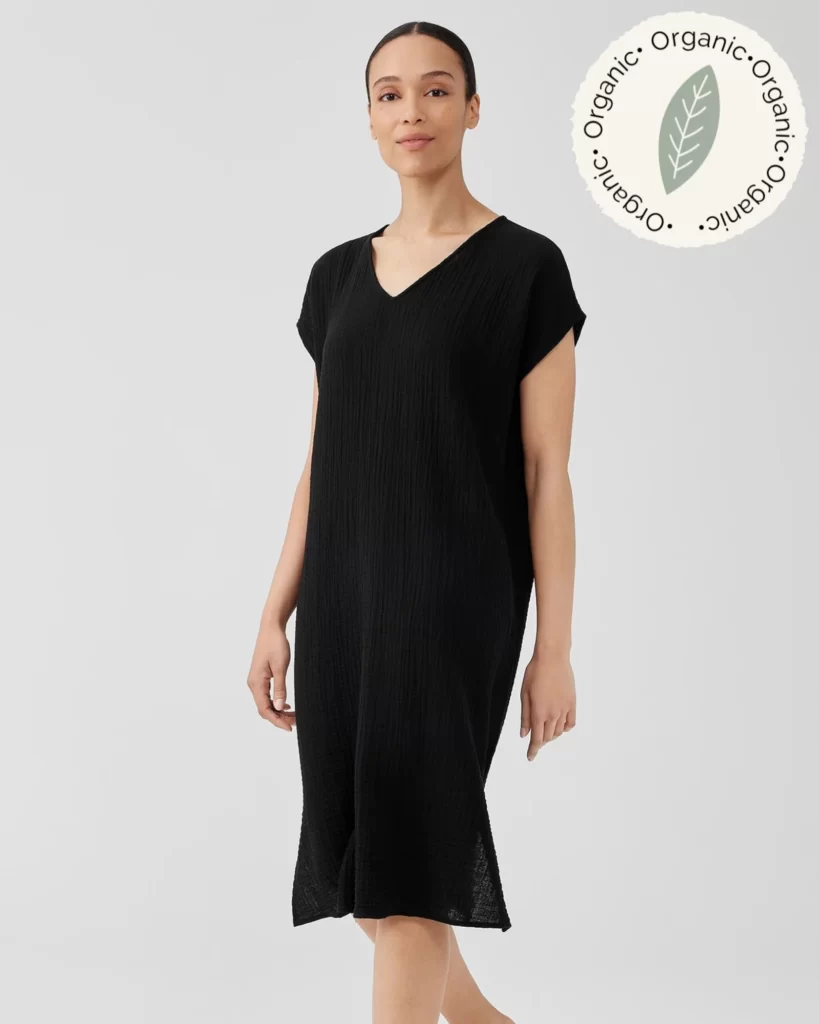
A-line/cocoon silhouette in Tencel fabric; versatile styling from casual to dressy; knee-length, loose-fitting
~$89–$170
The brand's signature piece and Kickstarter launch product, described by reviewers as "incredibly comfortable, soft and easy to wear"; epitomises the flexible sizing philosophy
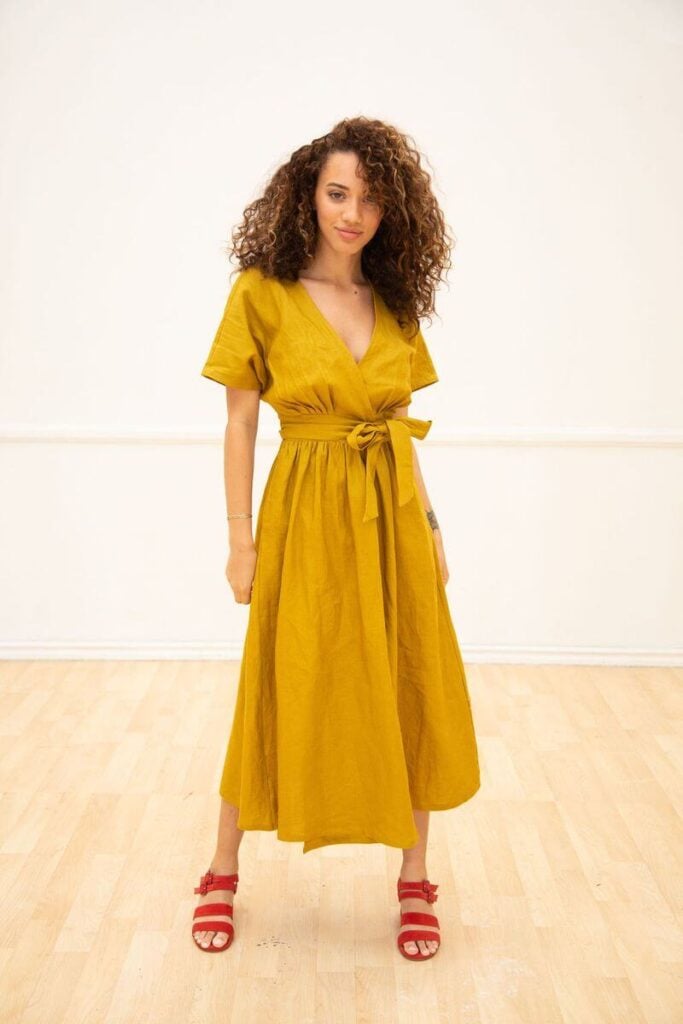
Linen Dress
Made from dyed linen in Sotela's flexible sizing system; timeless silhouette designed for longevity
~$229–$269
The brand's higher-end offering showcasing its evolution into natural fibre linen; available across the full 0–30 size range
Shift Dress (Tencel/Modal)
Simple, elegant shift dress in Tencel or Modal; minimal design from the Essentials Collection
~$89–$150
Part of the original launch collection; clean, timeless design that embodies the "less is more" approach to sustainable wardrobes
Cropped Blazer
Structured blazer with notched lapels; available in extended sizes including 1X+
~$255
Demonstrates the brand's expansion beyond dresses into structured separates. Size-inclusive tailored pieces are rare in sustainable fashion.