SEEK COLLECTIVE
Rated: Good
Price: $$
Location: USA
Quick verdict
A genuinely artisan-driven micro-brand with exceptional environmental practices and deep community partnerships, currently winding down its womenswear line. SEEK COLLECTIVE represents the purest form of ethical fashion. Hand block printed, naturally dyed, handloom woven fabrics made by named artisan partners in India, with a zero-waste commitment that turns the smallest scraps into handmade paper However, the brand is visibly transitioning: womenswear is being cleared at 15% off, and founder Carol Miltimore has begun consulting for other brands. The pivot to unisex staples and consulting suggests the economic fragility of small-batch handmade sustainable fashion.
Key info
- Headquarters
- Berkeley, California, USA
- Founded
- 2014
- Product categories
- Womenswear
- Price range
- $$
- Key certifications
- No formal third-party certifications (no GOTS, OEKO-TEX, Fair Trade, PETA, GRS). Partnerships include Fibershed (Climate Beneficial wool verified), One Tree Planted (one tree per product sold), and noissue (sustainable packaging).
SEEK COLLECTIVE sustainability rating
Our ratings are based on a scale from 1 (We Avoid) to 5 (Excellent). How we rate
Rating breakdown
Organic cotton, recycled cotton, silk, handloom woven fabrics, and Climate Beneficial wool (Fibershed-verified, carbon-sequestering farming). Natural dyes from roots, bark, flowers, leaves, and minerals. Hand block printed fabrics. US-made wool sweaters with California wool dyed in North Carolina and knitted in California.
Named artisan partners on the website with their specific roles (block printing, weaving, natural dyeing, stitching). Women-owned stitching unit in Bangalore, Partners with NGOs supporting weavers from disadvantaged communities. However, no evidence of living wage verification—a key gap despite claims of paying "above minimum wage."
Closed-loop water system for natural dyeing with no environmental discharge. Zero-waste commitment: scraps become quilts, sleep sets, napkins, and the smallest pieces are converted to handmade paper. Handmade production minimises energy consumption. Limited production runs minimise waste.
Names specific artisan partners and their roles on the website, providing meaningful informal supply chain transparency. However, no formal Code of Conduct, no published supplier list beyond artisan names, and no third-party audits. India is classified as a high-risk country for labour abuse.
Remarkable zero-waste chain: leftover fabric becomes quilts and sleep sets, smaller scraps become napkins and bandanas, and the smallest scraps are converted to paper by Bluecat Paper in Karnataka. Compostable plantable hang tags grow into basil. Reusable biodegradable mailers. Climate Beneficial wool actively sequesters carbon through regenerative farming.
What they do well
- Outstanding environmental credentials: lower-impact materials, limited production runs, handmade processes, closed-loop water system, and recycled packaging
- Extraordinary zero-waste commitment. Leftover fabric becomes quilts and sleep sets, smaller scraps become napkins, and the very smallest scraps are converted to handmade paper by Bluecat Paper in Karnataka, India
- Deep artisan relationships. Named partners including block printers, handloom weavers, natural dyers, and a woman-owned stitching unit in Bangalore, with the founder having lived and worked in India since 2012
- Climate Beneficial wool: Fibershed-verified wool from carbon-sequestering regenerative farming practices, produced entirely in the US (shorn in California, dyed in North Carolina, knitted in California)
Room for improvement
- Winding down womenswear. The brand is visibly clearing its womenswear line and pivoting to unisex staples, signalling the economic fragility of small-batch handmade sustainable fashion
- No living wage verification. Despite deep artisan relationships no evidence that workers are paid living wages; the brand claims "above minimum wage" but minimum wage and living wage are critically different
- No formal certifications. No GOTS, OEKO-TEX, Fair Trade, or other recognised certifications despite exceptional environmental practices; Fibershed partnership is the closest to formal verification
About SEEK COLLECTIVE
SEEK COLLECTIVE was born from founder Carol Miltimore's 2012 trip to India on a one-way ticket for an artist residency. A Parsons School of Design graduate who had previously designed for Calvin Klein Jeans, Converse, and Armani Exchange, Miltimore forged connections with artisan communities that became the foundation of the brand, which officially launched in 2014. The brand relocated from Brooklyn to Berkeley, California in 2019, though production has always been rooted in India with artisan partners whose names and stories are featured prominently on the website.
The environmental credentials are genuinely exceptional. The brand earns top marks for lower-impact materials, limited production runs, handmade manufacturing, a closed-loop water system for natural dyeing, and recycled packaging. The zero-waste commitment is particularly remarkable: leftover fabric becomes quilts, sleep sets, and napkins; the smallest scraps are sent to Bluecat Paper in Karnataka, India, where they're converted into handmade paper used for SEEK notebooks. Even the packaging tells a story. Plantable hang tags grow into basil when planted, mailers are biodegradable and reusable, and labels are organic cotton.
The labour picture is more nuanced. Final stitching takes place at a small woman-owned unit in Bangalore overseen by Shivangi Musaddi. Block printing is done by Padmini Govind and Sonia Jain, handloom weaving by Hemendra Sharma, and natural dyeing by Dr. Bosco. This level of artisan identification is rare in fashion, and the brand partners with NGOs supporting weavers from disadvantaged communities. However no evidence that workers are paid living wages. The brand states artisans are paid "above minimum wage" and have healthcare support, but minimum wage in India and living wage are critically different benchmarks.
The brand's current transition raises important questions about the viability of micro-scale ethical fashion. The website now prominently displays "Shop the Last of Womenswear!!!" with additional discounts, and navigation emphasises "Unisex Staples." Miltimore has begun consulting for other brands including Emerson Fry, Gravel & Gold, Curator SF, and Eckhaus Latta. This appears to be a pivot rather than a closure. Unisex staples and home goods continue. But it illustrates how even brands with exceptional environmental practices and genuine artisan partnerships can struggle to sustain a full fashion collection at small scale.
Product highlights
Naturally Dyed Tops
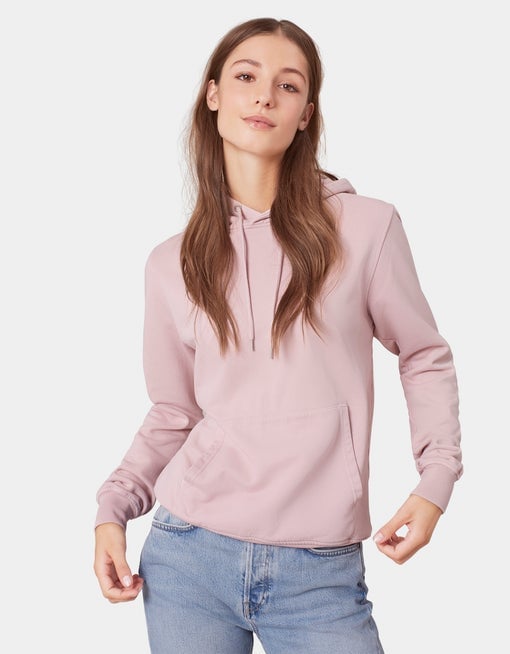
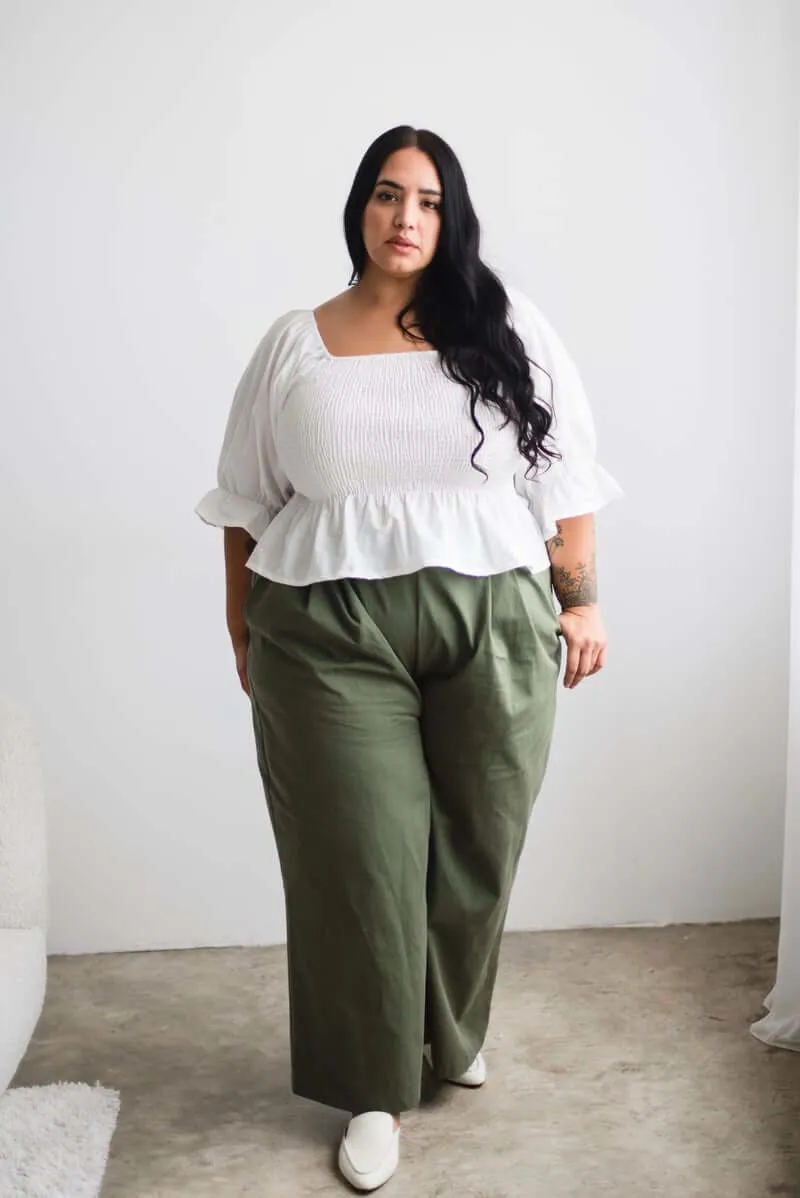
Hand block printed or naturally dyed tops using organic cotton and silk, coloured with roots, bark, flowers, and minerals.
$91–$480
Each piece is unique due to hand block printing and natural dye variations. No two garments are identical.
Climate Beneficial Wool Sweaters
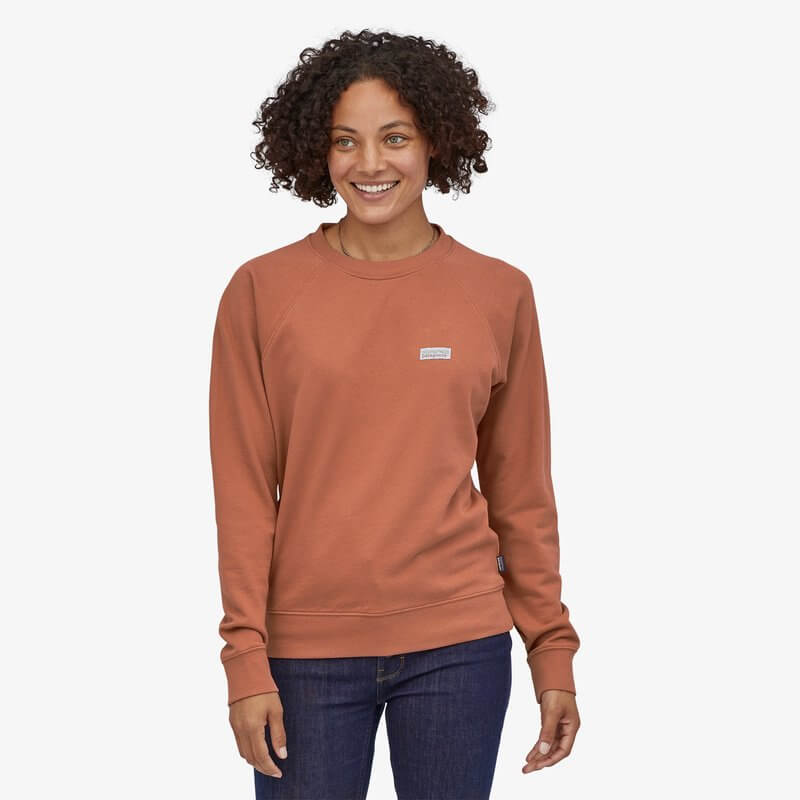
100% US-made sweaters from Fibershed-verified carbon-sequestering wool, shorn in California, dyed in North Carolina, knitted in California.
$121–$384
The wool actively sequesters carbon through regenerative farming practices, verified by Fibershed. The brand's most environmentally progressive product.
Zero Waste Quilts
Quilts made entirely from leftover fabric scraps, ensuring nothing goes to waste in the production process.
$27–$107
The ultimate expression of the brand's zero-waste philosophy. Beautiful products made from what would otherwise be discarded.
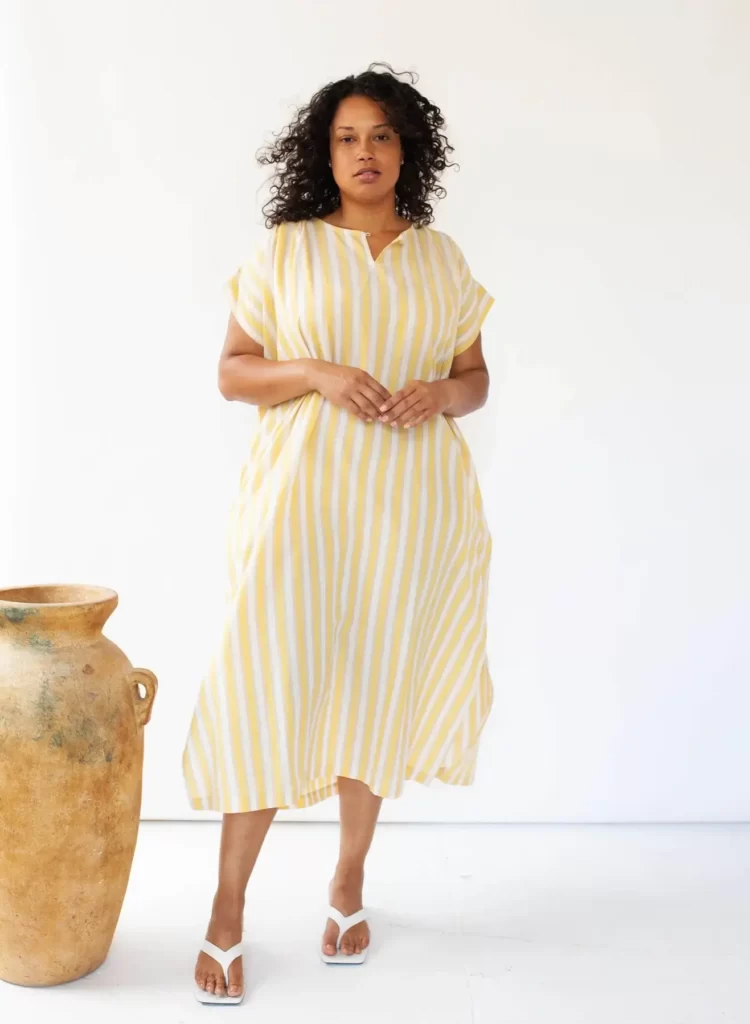
Handloom Woven Dresses
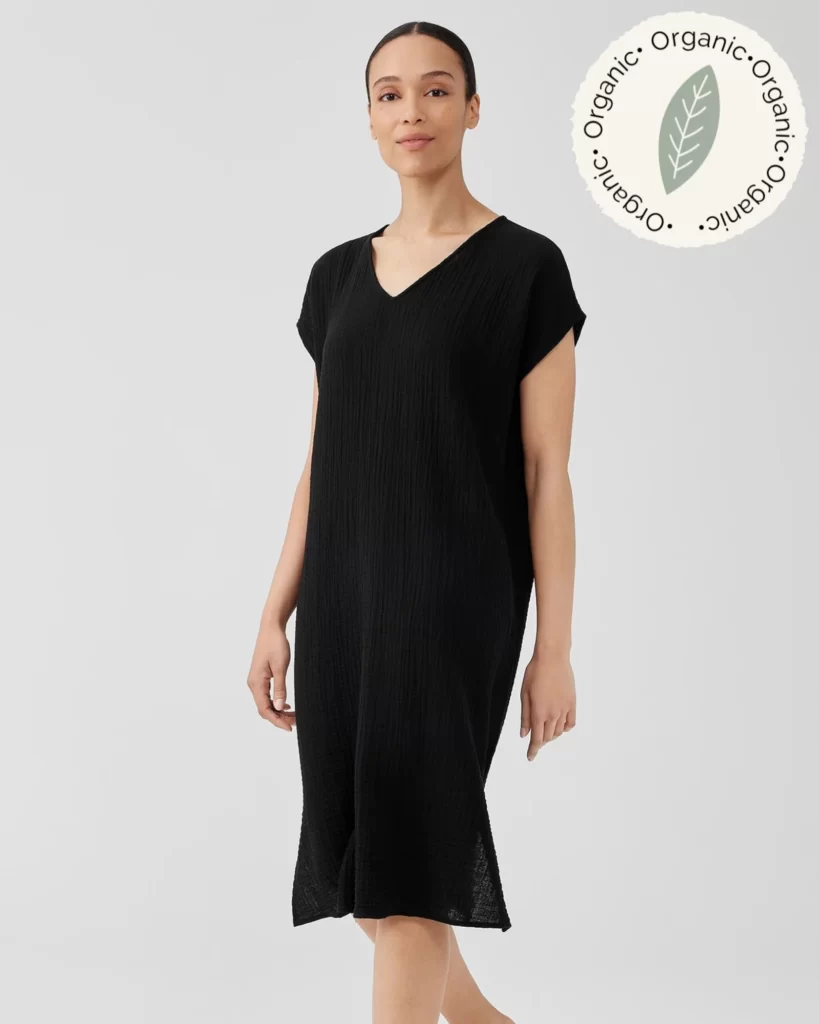
Dresses woven on traditional handlooms by artisan Hemendra Sharma, using organic and recycled cotton.
$104–$360
Preserves traditional Indian handloom weaving while supporting artisan livelihoods. Each dress is individually woven.