Plant Faced Clothing
Rated: Good
Price: $
Location: UK
Quick verdict
Plant Faced Clothing is best for vegan consumers and plant-based advocates who want design-forward streetwear with clever, subtle messaging that doesn't feel preachy. What stands out is the genuine 100% vegan commitment (PETA-Approved, from fabric to ink to dyes), combined with strong ethical manufacturing certifications (Fair Wear Leaders, WRAP Gold), cool graphic design rooted in streetwear, skate, and tattoo culture, and sizes up to 5XL. The caveats: living wages are not verified in the supply chain, transparency reporting is limited (no published factory list or impact report), and some virgin polyester remains in parts of the range.
Key info
- Headquarters
- London, UK
- Founded
- 2015
- Product categories
- Menswear, Womenswear, Vegan
- Price range
- $
- Key certifications
- PETA-Approved Vegan, Fair Wear Foundation (two suppliers are Fair Wear Leaders), WRAP Certified (Gold level), GOTS, OEKO-TEX, GRS
Plant Faced Clothing sustainability rating
Our ratings are based on a scale from 1 (We Avoid) to 5 (Excellent). How we rate
Rating breakdown
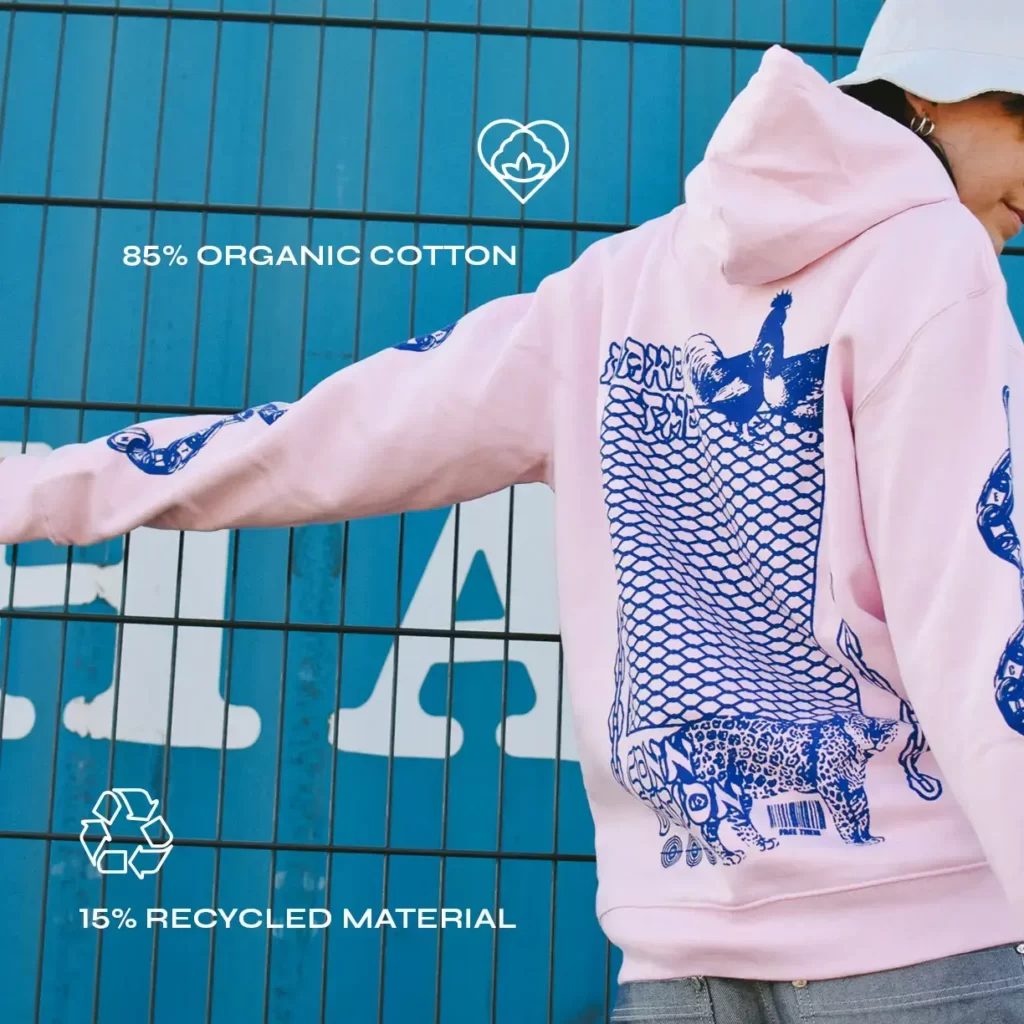
75–90% of the range uses eco-friendly fabrics: GOTS-certified organic cotton and recycled polyester (hoodies incorporate 7–10 recycled PET bottles). OEKO-TEX certified. All inks are 100% vegan, water-based, lead-free, and non-toxic; screen printing done in the UK. However, some virgin polyester remains in certain products, and material sourcing details beyond certifications are limited.
Works with Fair Wear Foundation suppliers (two are Fair Wear Leaders) and a Gold-level WRAP certified facility, among the strongest labour certifications in independent fashion. Garments produced in Bangladesh, India, Pakistan; socks in Ukraine; printing in the UK. However, there is no evidence of living wages being paid in the supply chain, no published Code of Conduct, and no aggregate supplier breakdown.
Plants a tree with every order via Eden Reforestation Projects. Plastic-free recyclable kraft paper packaging. Water-based inks reduce chemical runoff. Small-batch production. However, there is no evidence of measuring or reducing carbon footprint/greenhouse gas emissions, no evidence of minimising textile waste, and no circularity programme.
Names certification partners and general manufacturing countries but does not publish factory lists, aggregate supplier breakdown, or annual impact reports. No public Code of Conduct (only a formal statement). For a brand that centres ethics in its identity, this gap between values and verifiable disclosure is notable.
T-shirts at ~$42–44 / ~£26 and hoodies at ~$75–121 / ~£55–100 are mid-range for sustainable streetwear, comparable to CHNGE and Happy Earth Apparel, but below Pangaia (hoodies at $150+). Quality is generally praised as soft and premium. Pricing reflects Fair Wear manufacturing, certified organic/recycled materials, and UK-based printing.
What they do well
- 100% vegan and PETA-Approved. Every product, material, dye, ink, and cleaning agent is fully vegan and cruelty-free. This is comprehensive, not selective.
- Strong ethical manufacturing certifications. Two out of three main garment suppliers are Fair Wear Foundation Leaders (the highest tier), and the third uses Gold-level WRAP certified facilities. These are substantive labour standards that go well beyond self-reported claims.
- Design-led streetwear that bridges activism and style. Witty, clever slogans ("Kale 'Em With Kindness," "Eat Different," "Make The Connection") delivered through professional graphic design rooted in streetwear, skate, and tattoo culture. Miley Cyrus requested their merch. This isn't your typical earnest eco-brand.
- Eco-friendly materials and processes. From 2019, all new collections use organic cotton and/or recycled polyester. All printing uses water-based, lead-free vegan inks done in the UK. Zero-plastic kraft paper packaging.
- Tree planting and charitable giving. Plants a tree with every order via Eden Reforestation Projects. Donates to Four Paws, Humane Society International, and Australian Wildlife Rescue.
Room for improvement
- Living wages are not verified anywhere in the supply chain. Despite Fair Wear and WRAP certifications (which set minimum standards), there is no evidence the brand ensures workers are paid living wages. For a brand whose tagline is "Vegan Streetwear Minus The Sweatshop," this is a meaningful gap between messaging and verified practice.
- Limited transparency and no impact reporting. No published factory list, no aggregate supplier breakdown, no annual sustainability report, no public Code of Conduct. The disclosure gap is notable for a brand that centres ethics in its identity.
- No carbon/climate action and no circularity programme. There is no evidence the brand is taking action to reduce its energy use or greenhouse gas emissions. No take-back, repair, or recycling scheme. Some virgin polyester still used. Tree planting is positive but does not constitute a climate strategy.
About Plant Faced Clothing
Plant Faced Clothing was founded in 2015 by Charlie McEvoy, a New Zealand-born graphic designer and vegan living in London. After going plant-based, Charlie wanted to spread the vegan message through fashion without being preachy, but couldn't find stylish vegan streetwear anywhere. Months were spent finding the right ethical supply chain before launching. The brand is independently and queer-owned, with a tagline of "Vegan Streetwear Minus The Sweatshop" and a core philosophy of "no exploitation, humans, animals, or plants."
Key materials include GOTS-certified organic cotton, recycled polyester (7–10 PET bottles per hoodie), and OEKO-TEX certified fabrics. All screen printing is done in London using water-based, lead-free, 100% vegan inks. Garments are manufactured in Bangladesh (two Fair Wear Leader suppliers), India (Fair Wear), and Pakistan (Gold WRAP certified), with socks produced in Ukraine. All products are PETA-Approved Vegan and PVC-free.
The brand ships worldwide from the UK with free shipping over £65, with all taxes and customs included for US, UK, and EU orders. Returns follow a 30-day window with customer-paid return shipping. Packaging uses recyclable kraft paper mailer boxes printed with water-based inks, no plastic. At ~£26 for t-shirts and £55–100 for hoodies, pricing is mid-range for sustainable streetwear, comparable to CHNGE (~$68–78 for hoodies) and below Pangaia ($150+ for hoodies).
The brand has been featured on Ecothes (founder Q&A), PinkNews, Immaculate Vegan, and VegClub Magazine. Miley Cyrus and Liam Hemsworth once requested Plant Faced merch for her studio.
Product highlights
Plant Based Kanji Tee
Organic cotton tee featuring "Plant Based" in Japanese kanji-style typography; available in Black, White, Heather Grey; sizes XXS–5XL
~$42 / ~£26
Signature bestseller. A subtle, design-forward way to represent the plant-based lifestyle with genuine streetwear credibility.
Make The Connection Hoodie
Organic cotton exterior with recycled PET bottle inner (7–10 bottles per hoodie); multiple colours available
~$80–97 / ~£56–70
Marked Plant Faced's "most sustainable drop," showcasing an innovative material blend with both organic and recycled materials
Eat Different Deluxe Organic Box Hoodie
Premium heavyweight organic hoodie with box-logo "Eat Different" design (a play on Apple's "Think Different")
~$121 / ~£100
The brand's most premium offering; demonstrates ability to create genuinely desirable high-end streetwear
Kale 'Em With Kindness Tee
Organic cotton tee with witty wordplay graphic; available in Black and White
~$43 / ~£26
Exemplifies the brand's clever, non-preachy approach to vegan messaging. One of their best-selling designs.

![20+ Best Affordable Sustainable Clothing Brands [2025]](/images/blog/affordable-sustainable-fashion-brands.webp)