
Nivea
Rated: Poor
Price: $
Location: Germany
Quick verdict
Nivea presents a striking sustainability paradox. Its parent Beiersdorf has earned CDP Triple A environmental ratings and SBTi-validated Net Zero targets. Genuinely industry-leading. But continued sales in mainland China, where products may undergo mandatory animal testing, is an absolute dealbreaker for cruelty-free consumers. Formulations are functional and affordable but contain conventional ingredients (mineral oil, fragrance, some parabens) that won't satisfy clean-beauty purists.
Key info
- Headquarters
- Hamburg, Germany (Beiersdorf AG)
- Founded
- 1911
- Product categories
- Beauty
- Price range
- $
- Key certifications
- RSPO (100% certified palm oil derivatives since 2021), CDP Triple A (2022–23), SBTi-validated Net Zero, MSCI AAA ESG, FTSE4Good, ISS ESG "Prime." NOT Leaping Bunny or PETA cruelty-free certified.
Nivea sustainability rating
Our ratings are based on a scale from 1 (We Avoid) to 5 (Excellent). How we rate
Rating breakdown
Core formulations rely on mineral oil, petrolatum, and synthetic fragrance. EWG rates many products as "Moderate Hazard." Newer lines (Naturally Good, reformulated Soft Creme with 95% naturally derived ingredients) are improving. Palm oil derivatives 100% RSPO-certified since 2021.
Not cruelty-free by any recognised standard, Listed by PETA as a company that tests on animals. Not Leaping Bunny certified. Products sold in mainland China may undergo mandatory animal testing. Beiersdorf has not directly tested since 1998 but allows third-party testing in China.
CDP Triple A (climate, forests, water). SBTi-validated Net Zero by 2045. Already met Scope 1&2 targets ahead of schedule. Microbeads eliminated since 2015. NIVEA Creme tin uses 80% recycled aluminium. Leipzig production centre is CO₂e-neutral.
Detailed annual sustainability reports, Climate Transition Plan, RSPO progress reports, EcoBeautyScore for product-level environmental data. However, animal testing communication is carefully worded to minimise the China issue.
Among the most affordable branded skincare globally ($3–15). Available virtually everywhere. Mass-market positioning makes sustainability improvements impactful at enormous scale.
What they do well
- Industry-leading climate action: CDP Triple A recipient; SBTi-validated Net Zero by 2045; already met Scope 1&2 targets ahead of schedule; 100% renewable electricity at all production sites since 2019
- 100% RSPO-certified palm oil derivatives. Since 2021, with WWF partnership supporting smallholders in Indonesia and Malaysia
- Packaging innovation: 80% recycled aluminium tin, 50% recycled material in sun care bottles, plastic-free lip care packaging, refill station pilots
- Microplastics phase-out. Microbeads eliminated since 2015; ongoing reformulation to remove all microplastics from rinse-off and leave-on products
- EcoBeautyScore, launched in 2025, product-level environmental scoring developed with 70+ industry partners, with 99% of NIVEA Face Care products scoring A or B
Room for improvement
- Animal testing is the critical dealbreaker. Continued China sales where mandatory animal testing applies fundamentally undermines ethical credentials. Until Beiersdorf exits Chinese physical retail or China fully abolishes requirements, Nivea cannot claim cruelty-free status
- Formulation modernisation needed. Core products still rely on mineral oil, petrolatum, parabens, and synthetic fragrance. "Naturally Good" and reformulated Soft lines are positive but need to extend across the full portfolio
- Consumer backlash on formula changes: Trustpilot reviews report allergic reactions and dissatisfaction with recent reformulations, suggesting QA issues in the sustainability transition
About Nivea
NIVEA, the world's largest skincare brand by market share, showcases how a mass-market company can invest seriously in environmental sustainability while still carrying a major ethical stain. Beiersdorf's "Care Beyond Skin" agenda has delivered measurable results: 19% absolute CO₂ reduction by 2023, 100% renewable electricity since 2019, and a pioneering EcoBeautyScore providing product-level environmental transparency to consumers.
On ingredients, Nivea is actively reformulating iconic products. The Soft Creme now uses 95% naturally derived ingredients, lip care formulas contain up to 98% natural-origin ingredients, and palm oil sourcing has been 100% RSPO-certified since 2021. Microbeads were eliminated in 2015, with ongoing work to remove all microplastics.
The elephant in the room remains animal testing. Nivea products sold in mainland China may undergo mandatory testing by state-authorised institutions. Barring the brand from Leaping Bunny and PETA certification. DespiteBeiersdorf's 40+ years of developing alternative testing methods, China represents too large a market to abandon. For cruelty-free consumers, this is non-negotiable.
Most products are manufactured in Beiersdorf's own facilities in Germany, with additional production sites globally. The new Leipzig centre operates CO₂e-neutral. Products are available in virtually every drugstore and supermarket worldwide at $3–15: making Nivea's sustainability improvements impactful at massive scale.
Product highlights
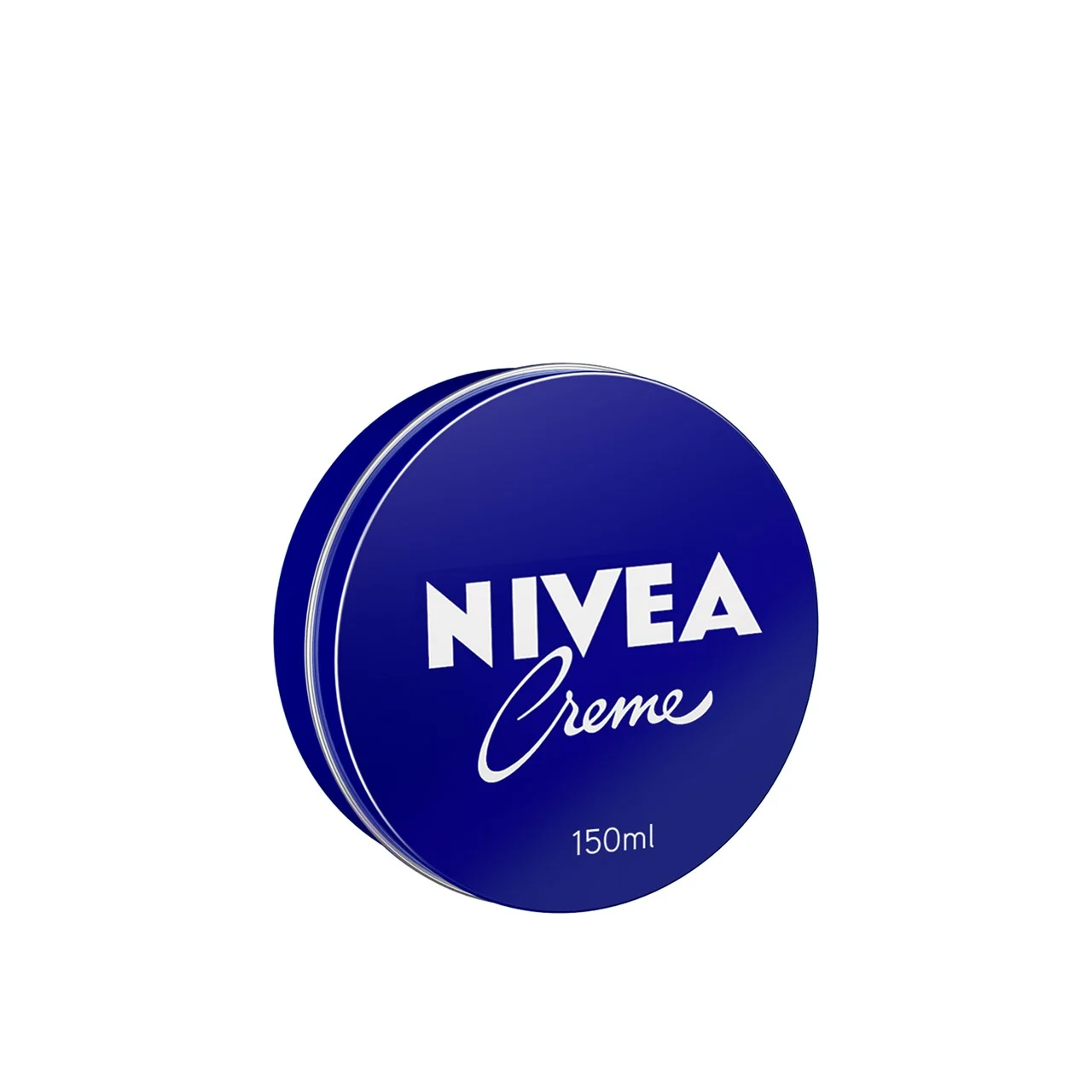
NIVEA Creme (Blue Tin)
Iconic all-purpose moisturiser
~$2–7
Packaged in 80% recycled aluminium; genuine packaging sustainability improvement on a heritage product
NIVEA Soft Moisturizing Cream
Lightweight daily moisturiser, reformulated
~$5–8
95% naturally derived ingredients; vegan formula; sustainability reformulation flagship
NIVEA Sun Protect & Moisture SPF 50
Daily sun protection
~$10–14
Bottles with 50% recycled material; optimised for lower CO₂ footprint; EcoBeautyScore rated
NIVEA Naturally Good Micellar Water
Gentle facial cleanser
~$8–10
95%+ naturally derived ingredients; vegan; well-reviewed for gentleness

![13 Best Cruelty Free Sunscreens for Healthy Skin [2025]](/images/blog/cruelty-free-sunscreens.webp)