
Komodo
Rated: Good
Price: $$
Location: UK
Quick verdict
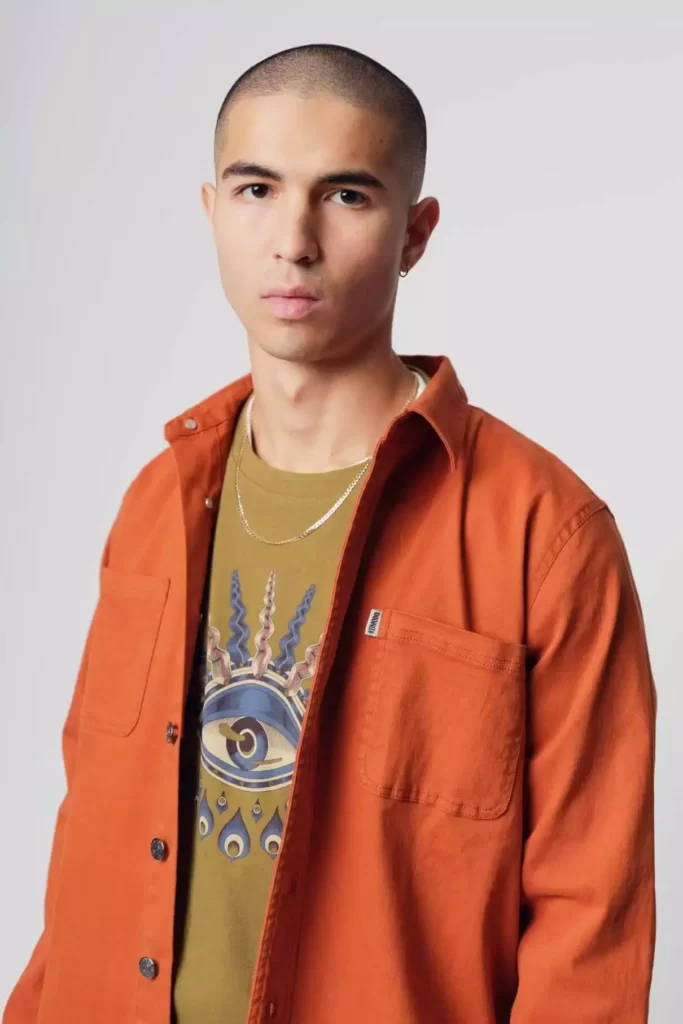
Komodo is best for eco-conscious consumers seeking casual, comfort-focused, boho-spirited fashion from one of the longest-running ethical brands in the world (since 1988). What stands out is its remarkable breadth of certified eco fabrics, including organic cotton, hemp, Tencel, bamboo, recycled PET, and cornwaste vegan leather, combined with B Corp certification, hand-knitted wool pieces from Kathmandu artisans, and innovative vegan footwear. The main caveats are that living wages are not clearly verified, there is no circularity/take-back programme, and manufacturing spans several higher-risk countries (Nepal, Indonesia, India, China) without published factory-level details.
Key info
- Headquarters
- North London, UK
- Founded
- 1988
- Product categories
- Womenswear, Menswear
- Price range
- $$
- Key certifications
- B Corp, GOTS, Soil Association, Woolmark, 1% for the Planet, SEDEX/SMETA audited, Good Shopping Guide Ethical Accreditation (perfect 100 score)
Komodo sustainability rating
Our ratings are based on a scale from 1 (We Avoid) to 5 (Excellent). How we rate
Rating breakdown
Exceptionally diverse range of certified eco materials: GOTS organic cotton (all cotton is organic), Woolmark-certified non-mulesed merino, Lenzing Tencel/Modal, hemp, bamboo, linen, recycled PET, cupro (from recycled cotton), and cornwaste vegan leather for footwear. Corozo (coconut) buttons. However, hemp GOTS certification is inconsistently stated across product pages, and not all supplier certifications are specified.
Manufactures in Nepal, Indonesia (Bali/Java), India, China, Sri Lanka, and Turkey, mostly through small, family-run factories with long-standing relationships (some spanning decades). SEDEX/SMETA audited; several factories GOTS-certified. However, it's not clear if the brand ensures workers are paid living wages, a significant gap given manufacturing in higher-risk countries. No published factory list.
Uses renewable energy in supply chain (helped Nepali factory switch to solar). Ships by cargo freight (lower CO2). FSC-certified recycled/recyclable packaging. Eliminated single-use plastics. Recycles all textile offcuts. Small-batch production. However, no circularity programme (no take-back, repair, or resale), and no formal carbon accounting or water usage data published.
Publishes a Factories & Ethics page, Eco Fabrics page, supplier code of conduct, and product-level material/certification info. B Corp certification requires baseline transparency. However, no annual sustainability report, no published factory names/addresses (only countries), inconsistencies across product pages, and no formal animal welfare policy documented.
Mid-range for sustainable fashion: t-shirts £30–45, trousers £80–115, dresses £80–130, knitwear £70–130, jackets £125–170, shoes £45–69. Comparable to People Tree, Thought, and Nomads. Reviewers consistently note good value for money and fair pricing. More affordable than premium sustainable labels but meaningfully above fast fashion.
What they do well
- Pioneer heritage spanning 38 years. Founded in 1988, Komodo is one of the original ethical fashion brands, predating the sustainability trend by decades. This isn't a greenwashed fast-fashion pivot.
- B Corp certified with a perfect 100/100 Good Shopping Guide score, topping the Fashion Retailers table. Combined with GOTS, Soil Association, Woolmark, 1% for the Planet, and SEDEX/SMETA auditing, this represents one of the most comprehensively certified profiles in UK independent fashion.
- Genuine slow fashion craftsmanship. Hand-knitted and hand-finished wool garments in Kathmandu, coconut (corozo) buttons, small-batch production, and gradual design additions rather than seasonal overhauls. Each hand-knitted piece has subtle individual character.
- Innovative vegan footwear. The Eco Sneako line uses organic cotton, natural rubber (90% FSC-sourced, 10% recycled), cornwaste vegan leather, and upcycled tyre rubber soles. A genuine standout in the sustainable shoe market.
- Strong social impact partnerships. Supports the Sumatran Orangutan Society, Tibet Relief Fund, and Sunrise Orphanage Kathmandu; rebuilt a school in Nepal destroyed in the 2015 earthquakes; pays suppliers on time or early.
Room for improvement
- Living-wage verification is the clearest gap. Despite manufacturing in countries with known labour risk (Nepal, Indonesia, India, China), Komodo has not published verifiable wage data. GOTS/SEDEX audits cover conditions but the living-wage question remains unanswered with hard evidence.
- No circularity or end-of-life programmes. Komodo does not offer a resale platform, take-back scheme, repair service, or recycling programme, which is increasingly expected from a brand of this heritage and certification level.
- Inconsistencies and gaps in published information. No annual sustainability/impact report; hemp GOTS certification not consistently mentioned on product pages; linen organic status inconsistent; not all suppliers' certification status is specified; jewellery and some accessories lack traceability information.
About Komodo
In the summer of 1988, during London's acid house scene, Mark Bloom was travelling through Asia after working in Hong Kong's garment trade. A trip to Bali, discovering local artisans and textile traditions, became the catalyst. He returned to London and founded Komodo, starting by recycling old jeans into patchwork jackets. From those DIY roots, the brand grew into an internationally recognised ethical label shown at fashion weeks in London, Paris, Florence, and Tokyo.
Komodo maintained its ties to Asia throughout, building long-term partnerships with family-run factories in Kathmandu, Bali/Java, India, and beyond. The brand holds B Corp certification, GOTS and Soil Association certification (covering the full supply chain from farmer to label), Woolmark certification for its non-mulesed South African merino, and 1% for the Planet membership. Its Good Shopping Guide Ethical Accreditation carries a perfect 100/100 score, topping the Fashion Retailers table.
Manufacturing takes place across small and medium family-run factories in Nepal (hand-knitting and finishing), Indonesia, India, China, Sri Lanka, and Turkey, with SEDEX/SMETA third-party audits conducted by UL Solutions. The brand helped its Nepali knitting factory switch to solar power and uses cargo freight to reduce transport emissions.
Komodo ships from the UK via Royal Mail (£3 or free over £50 domestically), with worldwide shipping including pre-paid taxes and duties. At £30–170 for most items, pricing sits mid-range for sustainable fashion, comparable to People Tree, Thought, and Nomads. The brand is listed on ecothes.com as #9 on the "24 Ethical & Sustainable Clothing Brands UK" list and stocked at Immaculate Vegan, Ethical Superstore, Natural Collection, and Sancho's.
Product highlights
Eco Sneako Classic
100% vegan sneaker with organic cotton upper/lining and natural rubber sole (90% FSC-sourced, 10% recycled); available in multiple colours
~£45–69 (~$57–87)
Truly innovative vegan footwear using all-natural and recycled materials. No synthetic leather, just organic cotton and natural rubber.
Hand-Knitted Wool Jumper (HAKKU)
Chunky jumper hand-knitted by artisans in Kathmandu; Woolmark-certified, non-mulesed South African merino; each piece subtly unique
~£70–130 (~$89–165)
The epitome of slow fashion, individually hand-knitted by Nepali artisans. Supports traditional craftsmanship and the local economy.
ROSE Organic Cotton Trouser
Versatile trouser in 100% GOTS-certified organic cotton; front seam detail, roomy pockets; works dressed up or casual
~£90–100 (~$114–127)
Customer favourite highlighted in homepage reviews; demonstrates Komodo's everyday staple approach with quality, comfort, and GOTS certification
IMAN Organic Cotton Mid Wash Dress
Women's dress in organic cotton denim/chambray with mid-wash finish; part of the core collection
~£110 (~$140); often discounted to ~£55
Elevated basics in GOTS-certified organic cotton; the casual, boho-meets-denim aesthetic that defines Komodo's design identity

![24 Ethical & Sustainable Clothing Brands UK [2026]](/images/blog/sustainable-brands-uk.webp)