Hackwith Design House
Rated: Good
Price: $$
Location: USA
Quick verdict
Best for women seeking made-in-America, made-to-order clothing that combines minimal waste with genuinely versatile design. The standout feature is their production model: nothing is made until you order it, limited editions cap at 25 pieces, and cutting waste goes to a local recycling centre. The caveat is a lack of formal certifications, no B Corp, no GOTS, no OEKO-TEX, and some plus-size customers report fit inconsistencies with certain designs.
Key info
- Headquarters
- Saint Paul, Minnesota, USA
- Founded
- 2013
- Product categories
- Womenswear
- Price range
- $$
- Key certifications
- No formal certifications (no B Corp, GOTS, OEKO-TEX, or Fair Trade)
Hackwith Design House sustainability rating
Our ratings are based on a scale from 1 (We Avoid) to 5 (Excellent). How we rate
Rating breakdown
Uses deadstock and surplus fabrics from local Minneapolis supplier SR Harris, plus linen, lyocell, hemp, and recycled polyester (swim line). Strong on waste-diversion, but some basics use conventional rayon/spandex blends. No certified organic or formally traced materials.
Everything is sewn in-house by a small team in Saint Paul, Minnesota, under US labour protections. Products are made in-house by a small team. However, no published Code of Conduct and no formal living wage commitment documentation, though being a tiny US operation makes exploitation unlikely.
The made-to-order model and 25-piece limited editions virtually eliminate overproduction. Cutting waste goes to a local recycling centre. The Sustain Shop buyback programme gives customers $20 credit per returned piece, creating genuine circularity. However, no carbon or water metrics are published.
Admirably open about where and by whom products are made (their own studio, their named team). But there is no formal sustainability report, no certified supply chain mapping, and no published environmental data.
Most pieces fall in the $56–$185 range, which is competitive for made-in-USA, handmade sustainable fashion. Sale events (currently 60% off fall/winter limited editions) improve accessibility. Swim pieces start as low as $13.
What they do well
- Made-to-order production eliminates overproduction: the single largest source of waste in fashion. Limited editions of 25 pieces ensure nothing languishes unsold.
- The Sustain Shop is a genuine buyback-and-resale programme launched in 2018: customers return worn HDH pieces for $20 store credit; damaged items are mended or transformed into new pieces by seamstresses.
- Deadstock fabric sourcing from local supplier SR Harris diverts surplus textiles from landfill while supporting a family-owned Minneapolis business
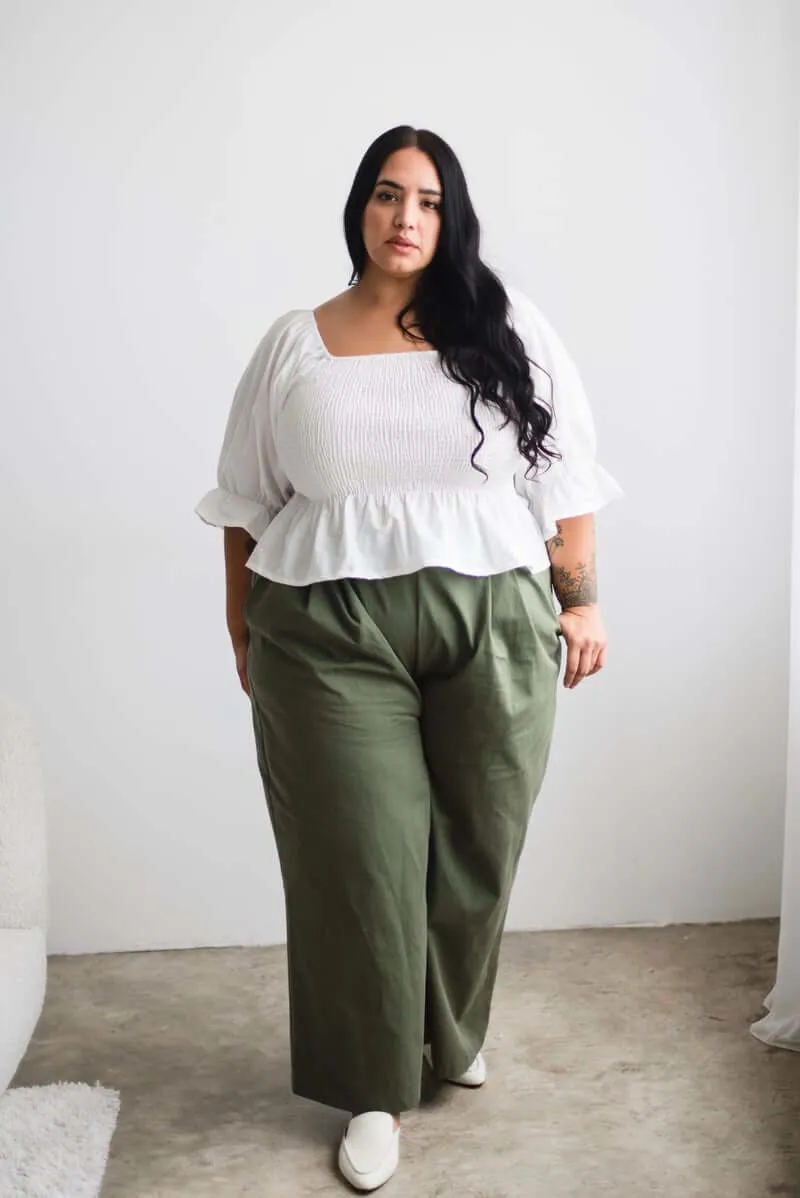
- Inclusive sizing up to 4X/size 28 with most styles available across the full range
- 100% made in their own US studio: one of the few brands where you can literally visit the space where your clothes are sewn
Room for improvement
- No formal certifications of any kind, no B Corp, GOTS, OEKO-TEX, or Fair Trade
- Some conventional materials remain, rayon/spandex blends in basics and conventional silk/wool without sustainability certifications undercut the broader sustainability narrative.
About Hackwith Design House
Lisa Hackwith, a self-taught designer with a studio art degree, began selling handmade clothing on Etsy in 2010, working from a sewing machine gifted by her mother. After building local wholesale accounts with Minneapolis boutiques, she paused in early 2013 to rethink her business model. She relaunched in September 2013 with a radical concept: one limited-edition design every Monday, no more than 25 pieces, sold direct-to-consumer. Every piece sold out that first fall.
Today, Lisa runs HDH alongside business partner Erin Husted (an attorney turned operations director) and her husband Dustin (brand design director), with a small team of seamstresses in their Saint Paul studio. HDH's material approach prioritises deadstock and surplus fabrics from SR Harris, a local family-owned fabric store specialising in run-off textiles. The swim line uses recycled polyester and spandex.
Manufacturing is 100% in-house at 550 Vandalia Street, Saint Paul (all cutting, sewing, and patternmaking under one roof. Pricing ($56–$185 for most pieces) sits in the mid-range for sustainable made-in-USA fashion) significantly below luxury sustainable brands like Eileen Fisher while offering comparable ethical credentials.
Product highlights
Oversized Dress
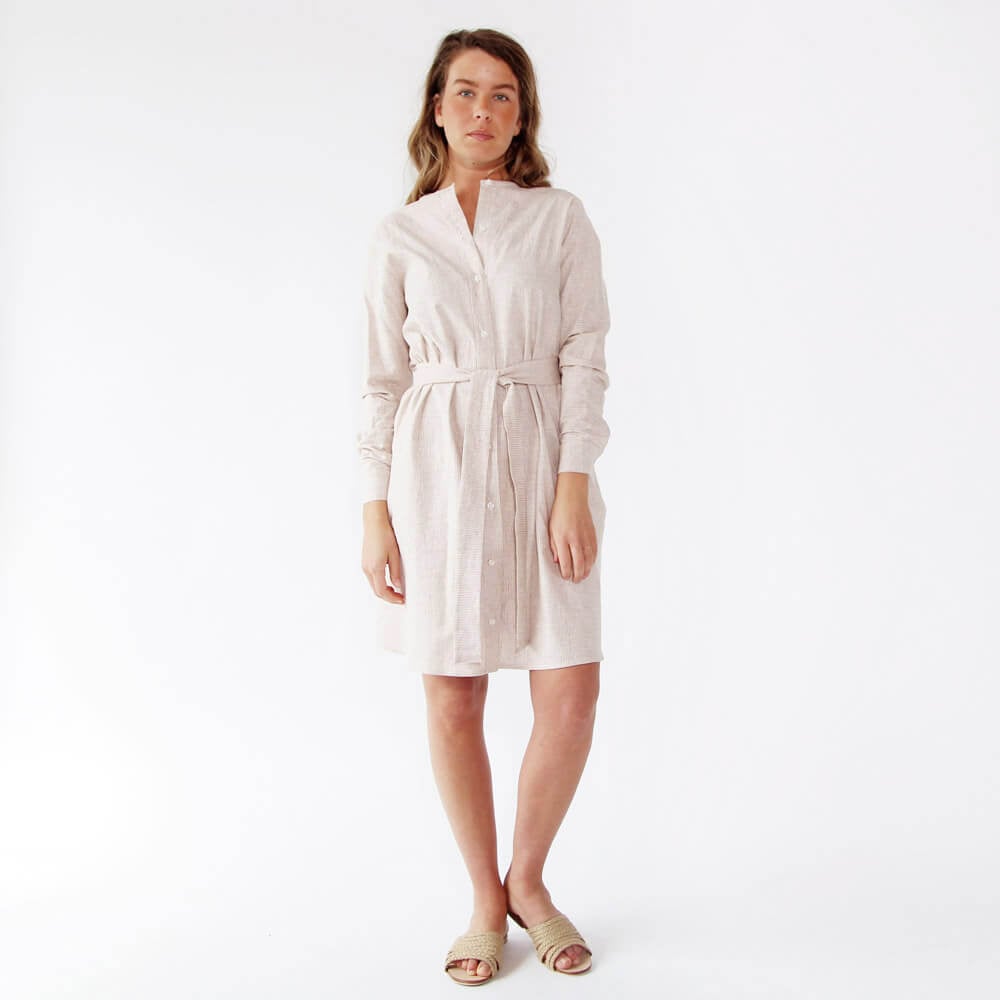
Midi-length balloon-sleeve dress with gathered waist; available in various deadstock fabrics
~$61–$245
Rated 5.0/5.0 across 9 reviews, customers call it "magical" and "universally flattering"
Everything Top
Long-sleeve wrap top wearable 5+ ways; versatile design for multiple styling options
~$145
Described as "the most well-made, most versatile thing I have ever purchased", though wrap ties may be too short for plus-size styling
HDH Swim Collection
Tops and bottoms made from recycled polyester and spandex in inclusive sizes
~$13–$22
Most affordable entry point; thick quality fabric that doesn't require separate lining; recycled materials
Limited Edition Weekly Drops
Small-batch designs released every Monday, maximum 25 of each; various fabrics and silhouettes
~$77–$255
Zero overproduction by design, once they sell out, they're gone. The core of HDH's waste-elimination model