Gymshark
Rated: Fair
Price: $$
Location: UK
Quick verdict
Gymshark is a £607M activewear unicorn with massive consumer reach but weak sustainability credentials. The brand uses few lower-impact materials, shows no evidence of climate target progress, and has no living wage commitment. SBTi targets are set but unverified. The brand publishes factory lists (a positive transparency step) but over 50% of its fibre mix is synthetic, and no annual sustainability report is published.
Key info
- Headquarters
- Solihull, West Midlands, UK
- Founded
- 2012
- Product categories
- Activewear, Menswear, Womenswear
- Price range
- $$
- Key certifications
- SBTi-approved targets (no progress evidence). WRAP Textiles 2030 member. International Accord signatory. Cascale/SAC member (Higg FEM Level 4). Better Cotton collaborator. No OEKO-TEX, bluesign, GRS, GOTS, or Fair Trade.
Gymshark sustainability rating
Our ratings are based on a scale from 1 (We Avoid) to 5 (Excellent). How we rate
Rating breakdown
Over 50% synthetic fibres (nylon 22%, recycled polyester 22%, polyester 6%, elastane 6%). 100% recycled polyester target for 2025 unconfirmed. Dope-dyeing in Vital Seamless range is a positive but limited initiative.
Publishes Tier 1–3 factory lists (48 garment factories, 157,110 workers). BSCI audits and Higg FEM assessments conducted. However, no living wage commitment found.
SBTi targets are set but there is no evidence of progress. Last publicly shared carbon figure was 19,164 tCO2e in 2018/19. No annual sustainability report. Recycled-plastic mailer bags and FSC paper bags are minor positives.
Partnership with Thrift+ for pre-loved resale in the UK is the only circular initiative. No take-back, repair, or recycling programme beyond this.
Factory list publication is commendable for a brand this size, Code of Conduct covers child and forced labour. Modern Slavery Statements published. However, no sustainability report and no Fashion Transparency Index participation.
What they do well
- Factory list transparency: Publishes Tier 1–3 factory lists including names, locations, and workforce data for 48 garment factories and 29 accessory factories, covering 157,110 workers.
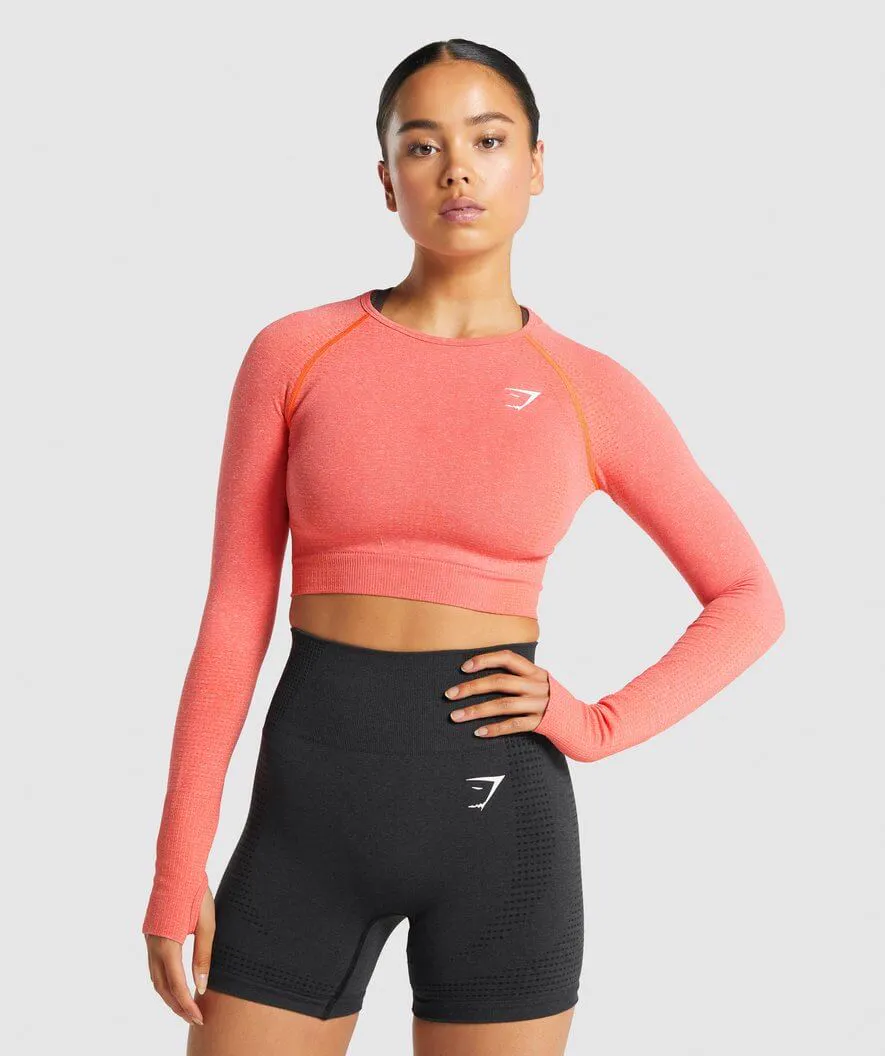
- Dope-dyeing technology: The Vital Seamless range uses dope-dyeing, which infuses colour during fibre production rather than after, significantly reducing water and chemical use.
- International Accord signatory: Committed to Bangladesh factory safety standards through the legally binding International Accord, covering structural, fire, and electrical safety.
- 100% vegan product range — All Gymshark products are free from animal-derived materials, eliminating leather, wool, down, and silk from the supply chain.
Room for improvement
- No living wage commitment: There is no evidence that Gymshark ensures workers are paid living wages across its supply chain in China, Vietnam, and Bangladesh.
- Climate targets without progress evidence: SBTi-approved targets exist but there is no evidence the brand is on track to meet them. The last published carbon figure dates to 2018/19, and no annual sustainability report has been released.
- Predominantly synthetic fibre mix: Over 50% of the fibre mix is synthetic (nylon, polyester, elastane), contributing to microplastic pollution. The 100% recycled polyester target for 2025 has not been publicly confirmed as met.
About Gymshark
Gymshark was founded in June 2012 by Ben Francis and Lewis Morgan, two school friends aged 19, initially selling supplements before pivoting to activewear. The brand grew explosively through social media and influencer marketing, reaching unicorn status when General Atlantic acquired a 21% stake in August 2020 for approximately £275 million. Revenue hit a record £607.3 million in FY2024, though pre-tax profit has declined for three consecutive years to just £11.8 million.
The sustainability profile is thin relative to the brand's scale and resources. The gap between sustainability promises and documented action is significant. SBTi targets are set but no progress evidence is published. The fibre mix is over 50% synthetic, and the 100% recycled polyester target for 2025 remains unconfirmed. No annual sustainability report exists. The brand was described as 'fast fashion' by The Commons, which noted it 'incentivises overconsumption.'
On the positive side, Gymshark publishes factory lists covering Tier 1 through Tier 3 suppliers—a transparency step that many larger brands still resist. The Vital Seamless range uses dope-dyeing technology to reduce water and chemical use. Packaging has shifted to recycled-plastic mailer bags and FSC-certified paper. The Thrift+ partnership enables pre-loved Gymshark resale in the UK.
For consumers, Trustpilot reviews have declined from 4.7 to 3.6 out of 5 across nearly 40,000 reviews, with increasing complaints about customer service and returns. Three rounds of layoffs (2022, 2023, 2025) affecting over 480 roles signal operational restructuring. The brand maintains 900+ employees, flagship stores on Regent Street and at Westfield centres, and plans for expansion into NYC, Dubai, and Amsterdam.
Product highlights
Vital Seamless 2.0 Leggings
Seamless high-waisted leggings using dope-dyeing technology (reduces water and chemical use); squat-proof with sweat-wicking fabric
~$52 / ~£40
Gymshark's most recognisable product line and the only range using the brand's dope-dyeing environmental innovation
Apex Seamless Leggings
Premium seamless leggings with engineered knit zones for support and breathability; high-waisted design
~$62 / ~£48
The brand's highest-performance legging, representing the technical pinnacle of their seamless knit manufacturing
Crest Hoodie
Oversized cotton-blend hoodie with embroidered Gymshark crest; available in 10+ colourways
~$58 / ~£45
Bestselling loungewear piece that bridges gym and streetwear. Drives significant brand visibility
Speed Evolve 5" Shorts
Men's lightweight training shorts with built-in liner and side pockets; quick-drying fabric
~$38 / ~£30
Most accessible entry point in the men's range; consistently top-selling men's product across seasons