
Free People
Rated: Fair
Price: $$$
Location: USA
Quick verdict
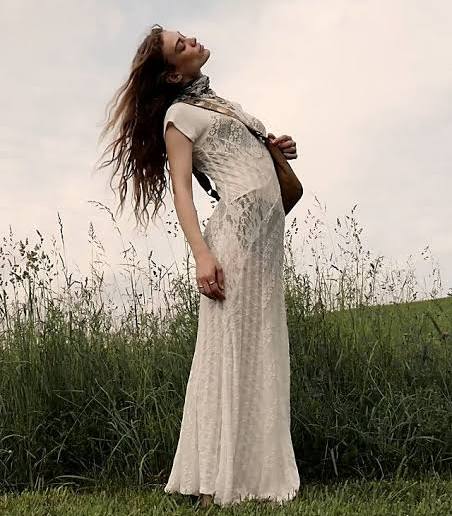
Free People is best for shoppers drawn to bohemian, vintage-inspired fashion who prioritize aesthetics over sustainability. The brand’s free-spirited, nature-loving image is largely greenwashing. It scores poorly across every major sustainability index. Its premium pricing ($58–$300+) may mislead consumers into thinking it’s ethical, but there’s no evidence of living wages, minimal eco-friendly materials, and near-zero supply chain transparency. Fashion Transparency Index: 1/100 for traceability. If you love the boho look, consider genuinely sustainable alternatives like TAMGA Designs, Spell, or Whimsy + Row.
Key info
- Headquarters
- Philadelphia, Pennsylvania, USA
- Founded
- 1984
- Product categories
- Womenswear, Boho
- Price range
- $$$
- Key certifications
- None verified. No B Corp, GOTS, Fair Trade, OEKO-TEX. Angora-free since 2016.
Free People sustainability rating
Our ratings are based on a scale from 1 (We Avoid) to 5 (Excellent). How we rate
Rating breakdown
Some lower-impact materials (organic cotton, recycled polyester, Tencel, hemp) appear in the "Care FP" collection, but these make up a small minority of 3,000+ products. Approximately 70% of materials are conventional synthetics and non-organic cotton. Overall material breakdown is not published.
Rated "Very Poor" on labor practices. No supply chain certified by labor standards. No evidence of living wages. URBN was cited as one of the biggest wage theft offenders in California; garment workers in LA reportedly earn $5–6/hour. URBN did not pay for cancelled orders during COVID-19.
Some corporate improvements (LED lighting, reusable bags), but no meaningful action on water use, chemicals, or supply chain emissions. Recycled only 1,500–5,858 lbs of fabric across all URBN brands in a year. Negligible. Fast-fashion model with constant new drops (110+ "new today" items observed at one time).
Fashion Transparency Index: 1/100 for traceability of raw materials. URBN publishes a Tier 1/Tier 2 supplier list but no working condition details. Modern Slavery Act statement expired in 2020 and hasn’t been updated. The 2023 "Impact Scorecard" replaced the full report with a sparse summary.
Premium prices ($58 tops, $98–$148 jeans, $168+ sweaters) create an impression of quality and ethics, but sustainability practices don’t match the price tag. Quality is moderate. Comparable to other mall brands at a higher cost.
What they do well
- "Care FP" collection. Offers a curated selection featuring at least 50% eco-conscious materials, including organic cotton, recycled polyester, and Tencel. Also stocks genuinely sustainable third-party brands like Veja and Boyish within this edit
- Angora-free since 2016: following PETA campaigns—a meaningful animal welfare step across all URBN brands
- FABSCRAP partnership. For recycling deadstock and surplus fabric through the New York non-profit, though volumes are extremely small
- Free People Vintage. Sells curated secondhand items, promoting circularity and extending garment lifespans
- Packaging improvements. Eliminated gift box program; bags from 100% recyclable polypropylene; gift packaging uses 60%+ post-consumer recycled content
Room for improvement
- Supply chain transparency is abysmal: Fashion Transparency Index score of 1/100 for traceability is among the worst in the industry. No named certification bodies audit the supply chain. No factory-level wage or condition data published. Ecothes rates them 1.5/5 largely for this reason.
- No living wage commitment: Zero evidence workers earn living wages. Most production occurs in countries where minimum wages are far below living wages. URBN is cited as one of the biggest wage theft offenders in California.
- Greenwashing concerns: The "free-spirited, nature-loving" branding and Care FP line represent a tiny fraction of products while the vast majority is conventional fast fashion. The brand’s sustainability motto — "Care FP is Free People’s mission to do a bit better—because we believe every step counts" — sets an alarmingly low bar for a brand with $$–$$$ pricing.
About Free People
Free People originated in the 1970s as a small Philadelphia store founded by Dick Hayne, eventually becoming the Urban Outfitters brand before being revived as its own label in 1984. Now owned by URBN (a $4B+ revenue retail conglomerate also owning Urban Outfitters, Anthropologie, and Nuuly), Free People operates in over 1,400 specialty stores worldwide, targeting young women with bohemian, vintage-inspired fashion.
Core materials are conventional cotton, polyester, nylon, acrylic, viscose, and linen. Mostly without sustainability certifications—a small proportion includes organic cotton, recycled polyester, Tencel lyocell, and hemp, concentrated in the Care FP edit. URBN states 79% of direct-sourced viscose is responsibly sourced (e.g., Lenzing) and aims for 50% sustainably sourced raw materials, but progress reports are sparse and unverified.
Manufacturing is primarily in China, Vietnam, and India. URBN publishes a Tier 1/2 supplier list but no factory-level condition data. No Fair Trade, GOTS, B Corp, or OEKO-TEX certifications exist. Shipping is standard e-commerce (free over $100); returns accepted within 30 days. Compared to genuinely sustainable bohemian brands like TAMGA Designs ($45–$120) or Whimsy + Row ($48–$200), Free People’s pricing ($58–$300+) offers no ethical premium. Just brand cachet.
Product highlights
We The Free Good Luck Mid-Rise Barrel Jeans
Trendy barrel-leg denim
~$98–$128
Perennial bestseller and signature style; no sustainability certifications noted
We The Free Jamie Henley
Soft cotton henley in 14+ colors
~$58
Top-rated everyday staple; no eco-friendly claims
FP Movement Hot Shot Onesie
Activewear bodysuit/onesie
~$68
FP Movement bestseller; conventional materials
Free People Vintage Curated Pieces
Secondhand items curated by the brand
~$30–$150
The most sustainability-forward part of Free People. Genuine circularity
![13 Best Cruelty Free Sunscreens for Healthy Skin [2025]](/images/blog/cruelty-free-sunscreens.webp)