
Cuyana
Rated: Good
Price: $$$
Location: USA
Quick verdict
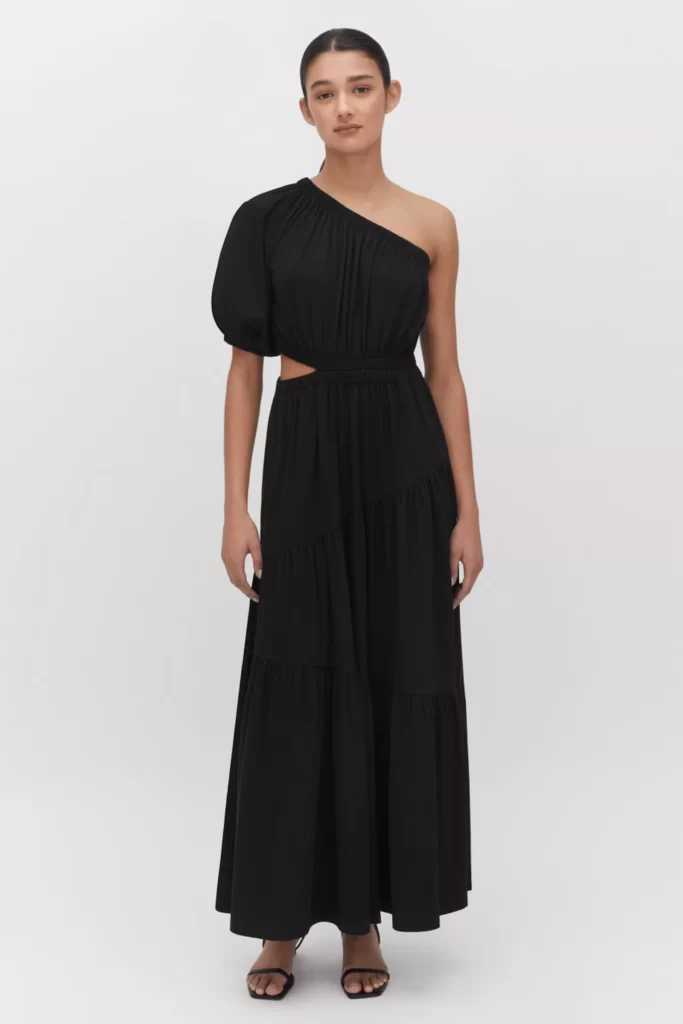
Best for style-conscious women building a capsule wardrobe who want to invest in timeless, well-crafted leather goods and elevated basics. The brand's "fewer, better things" philosophy is backed by a 90% sell-through rate (vs. The 60–70% industry average), reflecting genuine anti-overproduction practices. The key caveats:, there's no evidence workers are paid living wages, and Trustpilot shows a 2.0/5 rating with complaints about interior lining peeling and customer service.
Key info
- Headquarters
- San Francisco, California, USA
- Founded
- 2011
- Product categories
- Womenswear, Accessories
- Price range
- $$$
- Key certifications
- LWG (Leather Working Group), GOTS, Bluesign, OEKO-TEX, FSC, GRS, Responsible Cashmere Standard, SA8000 (factory-level)
Cuyana sustainability rating
Our ratings are based on a scale from 1 (We Avoid) to 5 (Excellent). How we rate
Rating breakdown
Achieved 100% sustainably-certified materials across its entire assortment, using LWG Gold-certified Italian leather, Peruvian baby alpaca and Pima cotton, recycled cashmere (Responsible Cashmere Standard), GOTS cotton, GRS-certified recycled plastic, and silk. However they use "few lower-impact materials" and don't publish aggregate material breakdowns.
Publishes a supplier list describing each factory partner and manufactures across Italy, Argentina, Turkey, Peru, Ecuador, China, Vietnam, Portugal, Romania, Scotland, and the USA: primarily small, family-owned workshops. Assesses factory compliance with SA8000. However, no evidence workers are paid living wages, no formal Code of Conduct, and no disclosure of audit percentages.
The 90% sell-through rate driven by small-batch, demand-close production dramatically reduces waste. Circularity programmes include Cuyana Revive (resale) and the Lean Closet donation programme (with thredUP). However, does not measure greenhouse gas emissions, water, energy use, or waste across its supply chain.
Publishes a supplier list with country and specialty descriptions and a certifications page. This exceeds most competitors. But there is no formal sustainability/impact report, no factory addresses or audit results, and no annual public reporting with specific environmental metrics.
Pricing sits in the accessible luxury tier: bags $48–$495+, dresses $128–$298, cashmere sweaters ~$255. DTC model eliminates retail markup. Comparable to Polène, Mansur Gavriel, and Everlane. Celebrity fans include Meghan Markle and Angelina Jolie.
What they do well
- Anti-overproduction business model with a 90% sell-through rate by producing in small batches close to demand, Dramatically reducing industry waste
- 100% sustainably-certified materials across every product, with LWG, GOTS, Bluesign, OEKO-TEX, FSC, GRS, and Responsible Cashmere Standard certifications
- Heritage artisan partnerships with family-owned workshops across 11 countries, preserving traditional craftsmanship from Italian leather workers to Ecuadorian straw weavers
- Circularity programmes including Cuyana Revive (resale platform) and the Lean Closet programme (donating unused clothes via thredUP to support women through H.E.A.R.T.)
- Women-founded, women-focused. Co-founded by Karla Gallardo (Ecuador) and Shilpa Shah, with active partnerships supporting women artisans
Room for improvement
- Living wages not verified. "there's no evidence it ensures workers are paid living wages in its supply chain." Unlike competitors like Nisolo, which publishes lowest wages paid, Cuyana provides no wage data.
- No formal sustainability reporting or environmental metrics. Despite genuine practices, does not publish an impact report, emissions data, or measurable environmental targets.
About Cuyana
Cuyana (pronounced "koo-yana," meaning "to love" in Quechua) was founded in 2011 in San Francisco by Karla Gallardo, an Ecuadorian-born former Goldman Sachs banker and Stanford MBA, and Shilpa Shah, a computer science major. The pair spent two years travelling globally to find specialised artisan workshops before launching their first product—a leather tote—in 2012. Their "fewer, better things" philosophy extends beyond marketing into the business model: small-batch production yields a 90% sell-through rate.
Key materials include LWG-certified Italian leather, Peruvian baby alpaca and Pima cotton, recycled cashmere, and GRS-certified recycled plastic. Manufacturing spans 11 countries, all with small, often family-owned workshops with generational expertise. The brand raised ~$45M total, including a $30M round led by H.I.G. Capital in 2019.
Products are sold direct-to-consumer and through brick-and-mortar stores in San Francisco, New York, Boston, Palo Alto, and Pacific Palisades. The Cuyana Revive resale platform extends product lifecycle. Celebrity fans include Meghan Markle, Angelina Jolie, Jessica Alba, and Reese Witherspoon.
Product highlights
Classic Easy Tote
Unstructured, lightweight Italian pebbled leather tote with dual handles, no synthetic lining, LWG-certified leather; fits 16" laptop
~$278
Signature bestseller and celebrity favourite (Meghan Markle, Angelina Jolie); praised for 3+ year daily-use durability
System Tote 13"
First modular tote with built-in snap system for add-on accessories; Italian double-faced leather
~$348–$398
Innovative, customisable organisation that no other brand offers
Recycled Cashmere Crewneck Sweater
Made from recycled cashmere at an Italian mill, meeting the Responsible Cashmere Standard; pill-resistant
~$255
Sustainable alternative to virgin cashmere with Italian mill craftsmanship
Ecuador Packable Straw Hat
Handwoven by female artisans in Ecuador from toquilla straw using multi-generational techniques (~8 hours per hat)
~$120
Supports women artisans and preserves heritage craftsmanship; packable design


![15 Sustainable Handbag Brands You Should Know [2025]](/images/blog/sustainable-handbag-brands.webp)