Nomadic State of Mind
Rated: Good
Price: $
Location: Nicaragua
Quick verdict
A 27-year-old artisan sandal brand with genuine grassroots sustainability credentials but limited formal verification. Nomadic State of Mind has been handmaking rope sandals with Nicaraguan artisans since 1999, operating a near-zero-waste model long before it became trendy. The brand's "No Scraps Left Behind" programme repurposes all leftover materials, and handmade production keeps industrial energy use near zero. However, transparency gaps persist: the recycled content percentage of their "partly reclaimed" polypropylene rope is undisclosed, no living wage data is published for Nicaraguan artisans, and the brand holds no formal certifications
Key info
- Headquarters
- Fayetteville, North Carolina, USA
- Founded
- 1999
- Product categories
- Shoes, Vegan
- Price range
- $
- Key certifications
- PETA partnership (Sailor's Dream sandal collaboration). No formal third-party certifications (no GOTS, OEKO-TEX, Fair Trade, GRS, or Vegan Society). Self-declared vegan and cruelty-free claims. Fair trade claims are self-declared, not independently certified.
Nomadic State of Mind sustainability rating
Our ratings are based on a scale from 1 (We Avoid) to 5 (Excellent). How we rate
Rating breakdown
Primary material is polypropylene rope described as "partly reclaimed" but exact recycled content percentage is undisclosed—a significant transparency gap. Also uses cork, hemp, organic cotton, and recycled/upcycled fabrics. All products are handmade, reducing industrial resource consumption.
Nicaraguan artisans have worked with the brand since ~2000 and are stated to be "paid well," but no specific wage data or living wage benchmarks are published. No formal Code of Conduct, no published supplier list, and no third-party factory audits. Nicaragua is flagged as a high-risk country for labour abuse.
"No Scraps Left Behind" programme achieves near-zero waste. Handmade production minimises energy consumption. All textile offcuts are recycled. Minimal packaging. No shoeboxes. However, no formal carbon footprint measurements, water reduction initiatives, or circularity take-back programmes exist.
Relatively simple and short supply chain (rope from NC, weaving in Nicaragua, assembly in USA) but no published supplier list, no Code of Conduct, no third-party audits. Self-declared fair trade and vegan claims without independent verification. Undisclosed recycled content percentage.
Products are machine washable, bleach/salt water resistant, and designed for exceptional durability. Zero-waste approach repurposes scraps into rope art, bags, rugs, and drawer pulls. However, no formal take-back or recycling programme exists, and products use synthetic polypropylene.
What they do well
- 27 years of artisan partnership. Long-standing relationship with Nicaraguan weaving community since 2000, predating most "ethical fashion" movements
- Near-zero waste production: "No Scraps Left Behind" programme repurposes all leftover rope and materials into bags, art, rugs, and accessories
- Genuinely handmade. Every product is hand-woven by skilled artisans, minimising industrial energy consumption and preserving traditional craftsmanship
- Exceptional product durability. Sandals are machine washable, bleach-resistant, chlorine-resistant, salt water-resistant, and designed for years of use
- No greenwashing controversies: 27 years of operation with no lawsuits, accusations, or scandals
Room for improvement
- Undisclosed recycled content: "partly reclaimed" polypropylene rope with no percentage specified is a meaningful transparency gap flagged by independent reviewers
- No living wage verification. Artisans are stated to be "paid well" but no wage data, living wage benchmarks, or third-party labour audits are published for Nicaraguan workers
- No formal certifications. Despite 27 years of operation, the brand holds no GOTS, Fair Trade, B Corp, or other recognised certifications; all ethical claims are self-declared
About Nomadic State of Mind
Nomadic State of Mind began in 1999 when founder Chris Anderson, a former raft guide with a social work degree and vegan philosophy, started selling handmade rope sandals from a 1969 VW bus at outdoor festivals like Bonnaroo. What started as a counter-cultural side project has grown into a genuine artisan operation with approximately 54 rope artisans and distributors worldwide. The brand's partnership with a small artisan community in Nicaragua. A former coffee plantation community where Anderson personally trained weavers around 2000: remains the heart of the operation.
The production model is remarkably simple and low-impact: rope is manufactured to custom specifications in North Carolina, shipped to Nicaragua for hand-weaving, then soles are cut and assembled in the US using vintage sandal-making equipment and low-VOC glue. This three-step supply chain keeps things transparent even without formal auditing. The brand's zero-waste commitment is particularly impressive. The "No Scraps Left Behind" programme repurposes every scrap of leftover rope and material into bags, rugs, water bottle carriers, rope art, and drawer pulls. Even packaging is minimal: sandals ship without shoeboxes because, as the brand puts it, "excessive packaging is just worthless."
The main flag is the people rating (3/5), driven by Nicaragua's country-level labour abuse risk and the absence of published living wage data. The brand also earned a 4/5 animal rating. Products don't use animal-derived materials, though no formal vegan certification is held. Celebrity fans include Jennifer Aniston, Lili Reinhart, and Selma Blair, and the brand has been featured in Vogue and Marie Claire.
The most significant transparency gap remains the undisclosed percentage of recycled content in the brand's primary material. Polypropylene rope described only as "partly reclaimed." For a brand built on eco-conscious principles since 1999, publishing this figure would be a straightforward way to strengthen credibility. The brand has also begun incorporating hemp into newer styles (like the Hemp Flop), suggesting a gradual move toward more sustainable base materials.
Product highlights
JC Rope Sandal
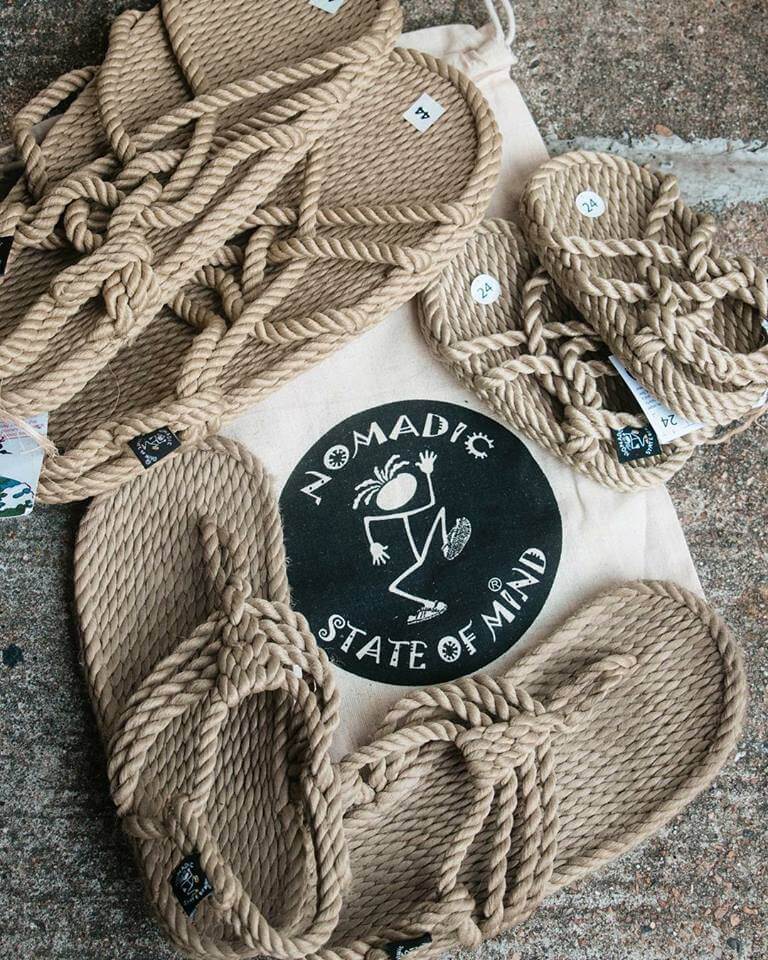
The original classic rope sandal. Hand-woven polypropylene with no sole, machine washable, and salt water resistant.
$40–$55
The design that launched the brand 27 years ago, still the bestseller. Virtually indestructible and fully hand-woven.
Moses Cork Sandal
Hand-woven rope upper with a natural cork footbed for added comfort and support.
$70–$90+
Combines artisan rope weaving with natural cork for customers wanting more structure than the classic no-sole design.
Sailor's Dream (PETA Collaboration)
Special-edition rope sandal created in partnership with PETA, with a portion of sales donated to the organisation.
$45–$55
The brand's only formal partnership with a recognised organisation, reinforcing vegan and cruelty-free commitments.
Rope Purse/Handbag
Hand-woven rope bags using the same artisan techniques and near-zero-waste production as the sandals.
$50–$100+
Extends the brand's zero-waste artisan model beyond footwear into accessories, all handmade by the same Nicaraguan artisan community.