Hollister
Rated: Poor
Price: $$
Location: USA
Quick verdict
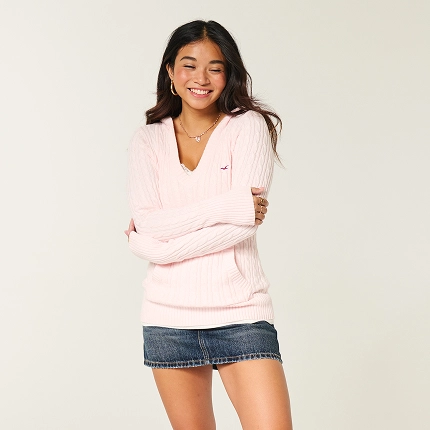
Hollister is a California-inspired teen fast fashion brand that lags behind even its fast fashion peers on sustainability. Its parent A&F Co. has set strikingly modest goals. Just 25% Better Cotton and 25% recycled polyester by 2025: and provides minimal standalone sustainability reporting. The 100% Responsible Down Standard achievement and ThredUp resale partnership are bright spots, but sustainability credentials are weak across every category. Sustainability-conscious shoppers have far better options.
Key info
- Headquarters
- New Albany, OH, USA (Abercrombie & Fitch Co.)
- Founded
- 2000
- Product categories
- Fast Fashion, Teen
- Price range
- $$
- Key certifications
- BCI, GRS, RDS (100% since 2020), RWS, FSC (packaging). No comprehensive brand-level certification.
Hollister sustainability rating
Our ratings are based on a scale from 1 (We Avoid) to 5 (Excellent). How we rate
Rating breakdown
Targets just 25% Better Cotton and 25% recycled polyester by 2025: extremely modest even by fast fashion standards, Majority of garments use conventional cotton, virgin polyester, nylon, acrylic. No organic cotton at meaningful scale.
A&F publishes Tier 1 factory list (mainly Vietnam, China, India) and claims 100% Tier 1 audits. But doesn't publish audit scores, doesn't disclose Tier 2 auditing percentage. No living wage evidence. Historical discriminatory hiring controversies.
30% water reduction in denim by 2022 (Jeanologia methodology) is a genuine positive. But climate targets are not SBTi-approved. No biodiversity protections, no hazardous chemical elimination commitment.
Virtually no brand-level reporting. Defers entirely to A&F corporate pages. No factory audit scores, no wage data, no detailed environmental metrics. Fashion Transparency Index: 31–40%.
Affordable teen basics ($15–60). But Trustpilot averages ~2.2/5 with complaints about declining quality. Frequent BOGO sales signal overproduction.
What they do well
- 100% Responsible Down Standard, Achieved for all down products since 2020, a concrete, verifiable animal welfare achievement
- Denim water reduction: 30% less water in production by 2022 (190M+ gallons saved vs. 2019 baseline) using Jeanologia EIM methodology
- ThredUp resale partnership. Allows buying/selling secondhand Hollister clothing
- Tier 1 factory list published: A&F Co. provides basic supply chain visibility
Room for improvement
- Sustainability ambition is drastically low: 25% targets for sustainable cotton and recycled polyester are far below what even H&M and Zara aim for. Eco-Stylist describes these as "the most basic entry points"
- Near-total lack of brand-level transparency. No standalone sustainability report, no published audit scores, no living wage evidence
- No climate science alignment. Emissions targets are not SBTi-approved, with no brand-level progress disclosure
About Hollister
Hollister launched in 2000 as Abercrombie & Fitch's more affordable, youth-oriented sub-brand, targeting 14–18-year-olds with California surfer aesthetics. After years of declining relevance, Hollister has undergone a successful rebrand. Dropping logomania, embracing TikTok marketing, and reviving sales—in 2023, the brand generated over $2 billion in net sales.
On sustainability, Hollister trails the fast fashion pack. Its parent A&F Co. has set incremental targets: Better Cotton, recycled polyester, Responsible Down Standard. But ambition is strikingly low. Sustainability credentials are weak across all categories.
The ThredUp resale partnership and denim water reduction program are bright spots, but neither has published efficacy data. The 2023 Fashion Transparency Index placed A&F/Hollister at 31–40%. No supply chain is certified for worker safety, no living wages are verified, and climate targets lack SBTi backing.
Manufacturing occurs primarily in Vietnam, China, and India, Shipping and returns follow standard A&F policies (free shipping over thresholds, returns within 60 days). Pricing is budget-friendly ($15–60 for most items), competing directly with Old Navy and H&M. For a brand whose core Gen-Z demographic increasingly cares about sustainability, the gap between brand image and substance is a serious liability.
Product highlights
RDS Puffer Jacket
Hooded or cropped puffer with certified down
~$60–100
100% Responsible Down Standard since 2020; verifiable animal welfare
Water-Saving Denim
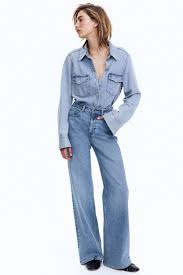
Jeans produced with 30% less water
~$30–50
One of the brand's most tangible environmental achievements (Jeanologia EIM process)
Gilly Hicks Recycled Fabric Activewear
Leggings and sports bras with recycled polyester
~$25–40
Sub-brand introducing recycled materials, though percentage isn't always specified
Hollister × ThredUp Resale
Pre-owned Hollister items
~$5–30
The brand's only circular economy initiative; extends garment life