HARA
Rated: Fair
Price: $$
Location: Australia
Quick verdict
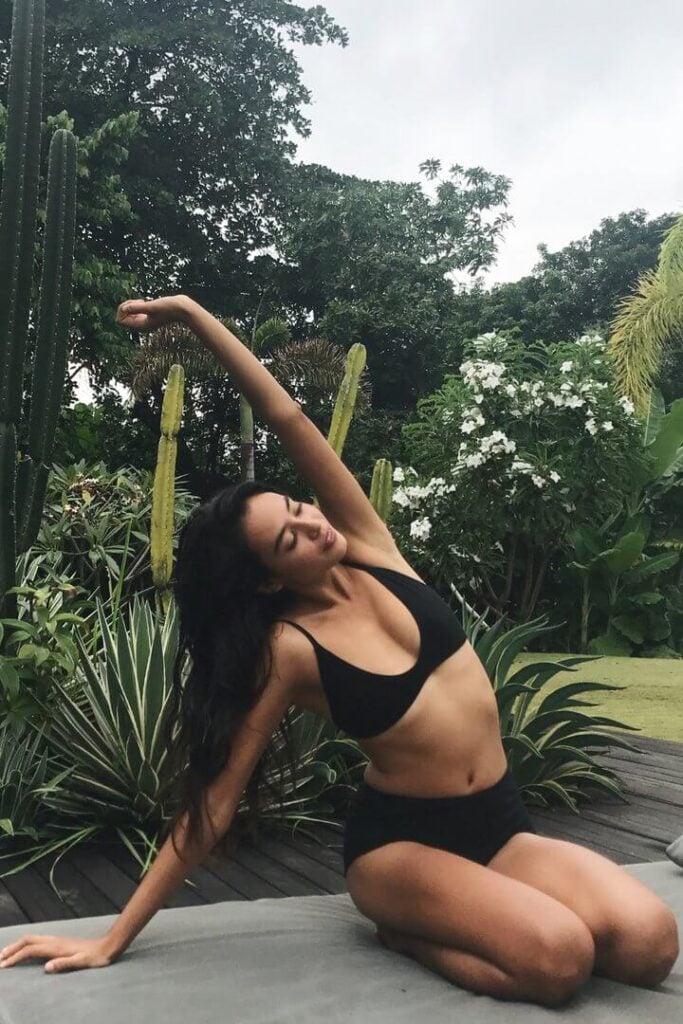
HARA The Label is an independent Australian brand producing bamboo lyocell underwear, bras, and basics entirely in-house at their Melbourne factory. The bamboo is lyocell-processed (closed-loop, not chemical-intensive viscose), fabrics are OEKO-TEX certified, and natural plant-based dyes (turmeric, indigo, madder root) are applied in-house. The size range extends to 5XL. No carbon footprint measurement or circularity programme exists, but the domestic production model and 1% for the Planet membership provide a credible ethical foundation.
Key info
- Headquarters
- Melbourne, Australia
- Founded
- 2016
- Product categories
- Underwear, Activewear
- Price range
- $$
- Key certifications
- OEKO-TEX Standard 100 (all bamboo lyocell fabric). WRAP certified (entire final production). 1% for the Planet member. GOTS-certified dyes used for some colours.
HARA sustainability rating
Our ratings are based on a scale from 1 (We Avoid) to 5 (Excellent). How we rate
Rating breakdown
Bamboo lyocell (90% OEKO-TEX lyocell, 10% spandex) processed in a closed-loop system. Superior to bamboo viscose. Natural plant-based dyes (turmeric, indigo, madder root) and GOTS-certified reactive dyes. Organically grown bamboo without synthetic pesticides.
All production in-house at Melbourne factory under Australian labour protections. Female-founded. No formal Code of Conduct published, but a workers' rights statement exists. No evidence of living wage confirmation.
Closed-loop water filtration and reuse system. Textile offcuts reused. Home-compostable packaging (Better Packaging Co. 'Dirt Bags'). Dye components composted. However, no carbon footprint measurement or climate targets.
No formal circularity programme. The 10% spandex blend makes recycling difficult. Durability is the primary anti-waste strategy (4-year durability noted in reviews).
OEKO-TEX and WRAP certifications provide third-party verification. 1% for the Planet membership. However, raw bamboo sourcing origin is not fully disclosed, and no formal Code of Conduct is published.
What they do well
- In-house Melbourne production: All design, cutting, dyeing, sewing, and distribution happens at their Melbourne factory under Australian labour protections, providing full supply chain control.
- Natural plant-based dyeing: Turmeric, indigo, and madder root dyes are applied in-house and composted after use, with GOTS-certified reactive dyes where natural options are not feasible.
- Closed-loop water system: Production water is filtered and reused in a closed-loop system, minimising water waste in the dyeing and finishing process.
- Exceptional size inclusivity: Size range extends from XS to 5XL, with body-positive imagery throughout the brand's marketing and product photography.
- Fully compostable packaging: Uses Better Packaging Co. 'Dirt Bags' (fully home-compostable garment bags) with entirely plastic-free shipping.
Room for improvement
- No carbon footprint measurement: Despite strong material and production practices, HARA has not measured its carbon footprint or set any climate targets.
- No circularity programme: No take-back, repair, or recycling scheme. The 10% spandex in bamboo lyocell blends makes mechanical or chemical recycling difficult with current technology.
- Undisclosed bamboo sourcing: The origin of raw bamboo is not fully disclosed (likely Asia). This gap is notable given the brand's otherwise transparent Australian production.
About HARA
HARA The Label was founded in November 2016 by Allie Cameron, a New Zealander based in Melbourne whose 2015 travels through India exposed her to fashion industry pollution. The name means 'green' in Hindi. Initial production began in Bali before being moved entirely to Melbourne around 2018, giving the brand full control over its supply chain from design through distribution.
The material story centres on bamboo lyocell. Importantly, this is lyocell-processed bamboo using a closed-loop solvent system, not the more chemical-intensive bamboo viscose process. The fabric is OEKO-TEX Standard 100 certified, tested against over 1,000 harmful substances. Natural plant-based dyes (turmeric, indigo, madder root) are applied in-house at the Melbourne factory and composted after use. Where natural dyes are not feasible, GOTS-certified low-impact reactive dyes are used instead.
Production operates within a closed-loop water system that filters and reuses water. Textile offcuts are repurposed rather than discarded. Packaging uses Better Packaging Co. 'Dirt Bags': fully home-compostable garment bags that eliminate plastic from the shipping process. HARA is a 1% for the Planet member, partnering with the Environmental Justice Foundation.
On-site product ratings are exceptionally high: the Stella Low Cut Bra averages 4.85 to 4.9 out of 5 from 244 reviews, and the Eva G-String reaches 4.96 to 5.0 from 150 reviews. Common praise centres on the 'buttery soft' fabric and body-positive imagery. The main consumer complaint is long international delivery times, sometimes reaching two months due to Australian shipping distances. The brand claims over 120,000 customers and maintains 267,000 Instagram followers.
Product highlights
Stella Low Cut Bra
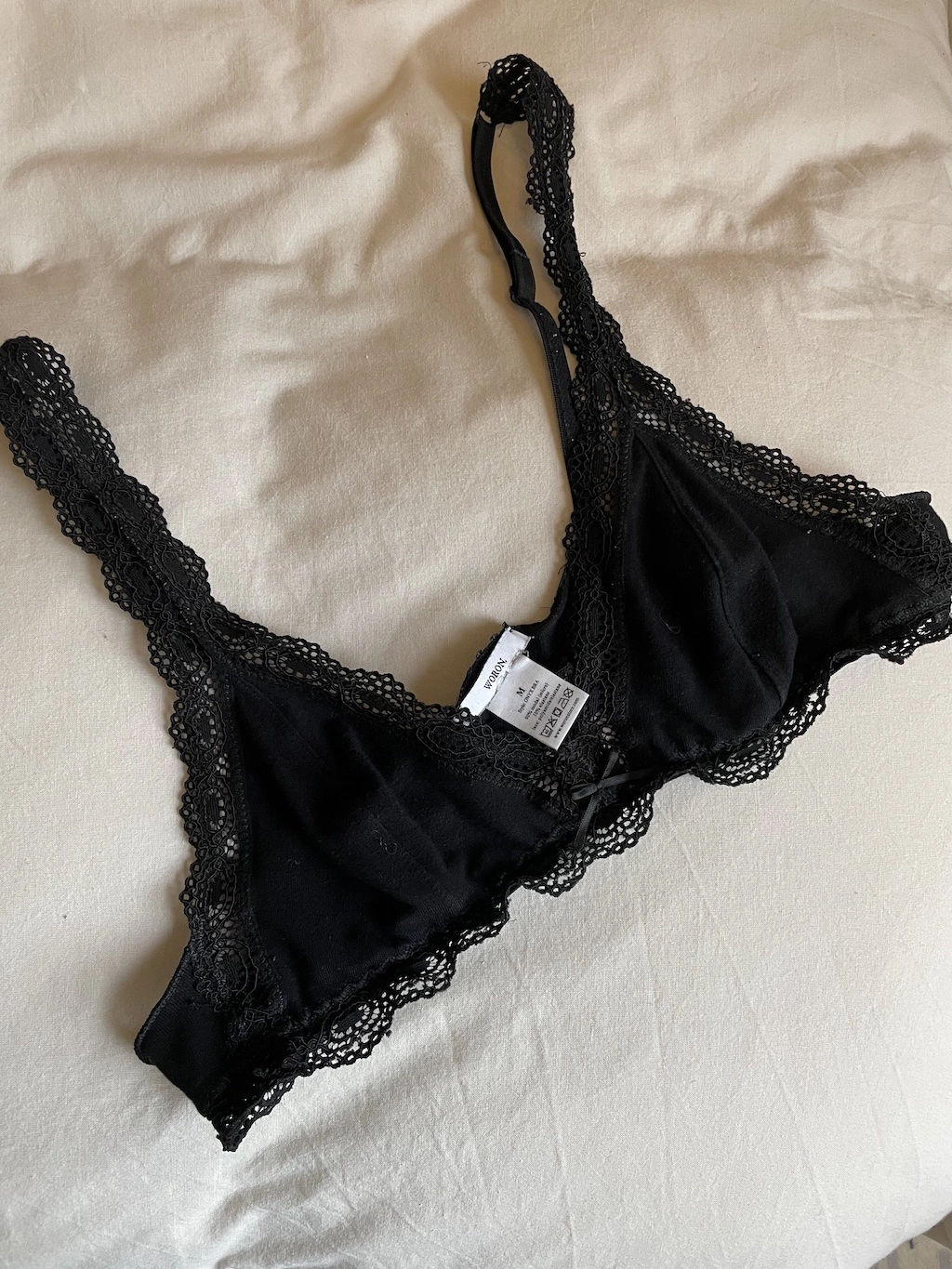
Low-cut bamboo lyocell bra with natural plant-based dyes; OEKO-TEX certified fabric; sizes XS–5XL
~$79 AUD (~$52 USD)
4.85–4.9/5 from 244 reviews. The brand's highest-rated product combining inclusive sizing with naturally dyed bamboo
Period & Leakproof Underwear
Bamboo lyocell underwear with built-in absorbent technology; part of the dedicated leakproof collection
~$55 AUD (~$36 USD)
Extends the brand's sustainable materials into functional period care, replacing disposable products
Eva G-String
Minimal bamboo lyocell g-string in naturally dyed colourways; OEKO-TEX certified; XS–5XL
~$48 AUD (~$31 USD)
4.96–5.0/5 from 150 reviews. Near-perfect consumer rating with 4-year durability noted by testers
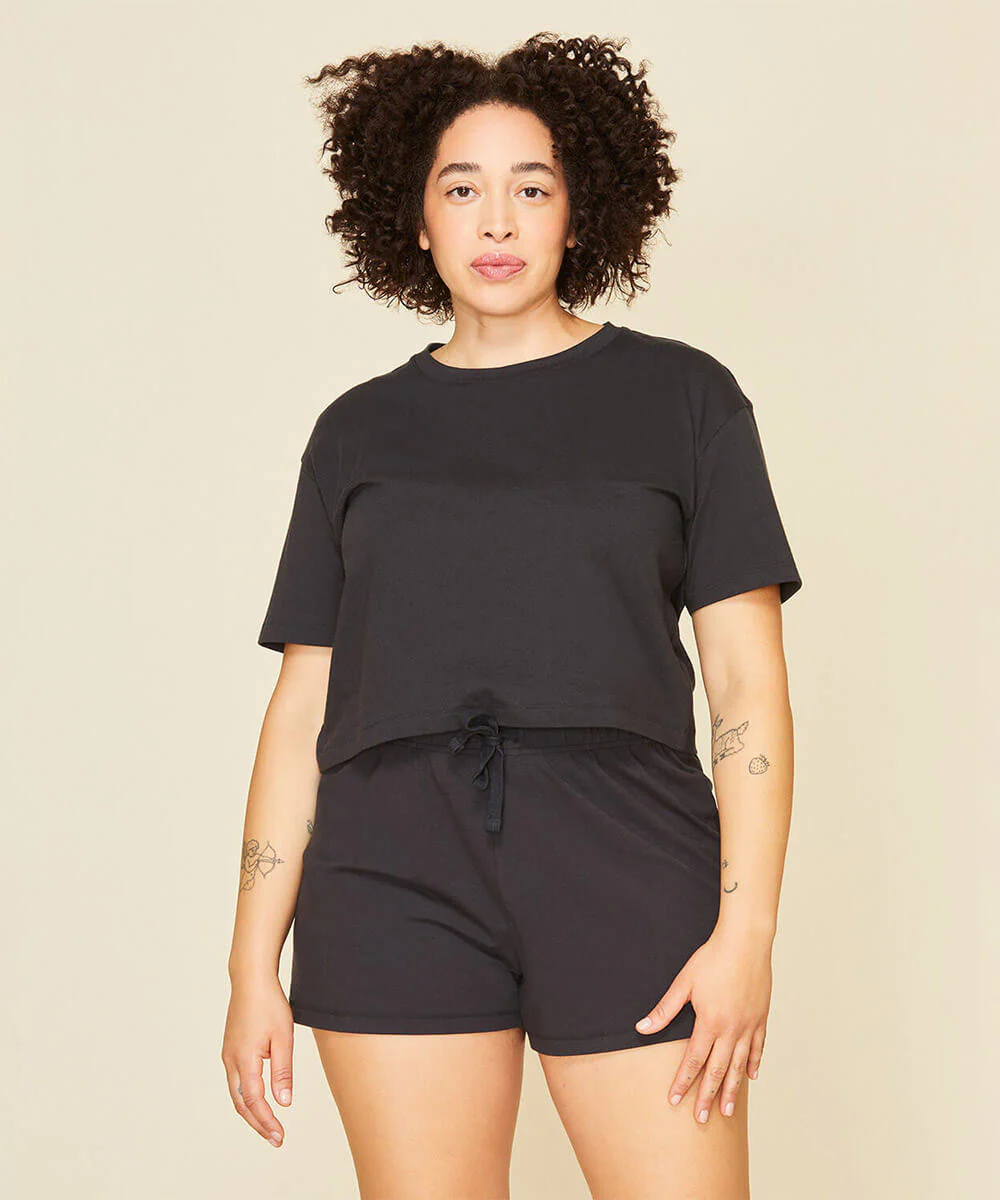
Bamboo Loungewear Set
Matching top and bottom in bamboo lyocell; naturally dyed; designed for comfort and everyday wear
~$79–$120 AUD (~$52–$79 USD)
Represents the brand's expansion beyond underwear into everyday basics, maintaining the same sustainable material standards